 Artificially generated image
 1966 Chevrolet Chevelle SS for Sale
Shopping for a 1966 Chevrolet Chevelle SS is part treasure hunt, part detective work, and part emotional decision. This model matters because it helped define the early big-block muscle car era while still offering the crisp, restrained styling many collectors prefer over later, more aggressive designs. At the same time, cars advertised as restored, numbers-matching, or investment grade can differ wildly in quality. A careful buyer needs to know what is authentic, what is modified, and what truly justifies the asking price.
Outline and Why the 1966 Chevelle SS Still Draws Serious Buyers
Before diving into listings, inspections, and values, it helps to map the topic clearly. A strong buying guide for a 1966 Chevrolet Chevelle SS usually needs to cover five practical areas: what makes the model important, how to confirm authenticity, which engine and transmission combinations matter most, how condition affects value, and where to shop with confidence. That outline is more than a neat way to organize an article. It mirrors the actual process experienced buyers use when they start chasing one of these cars.
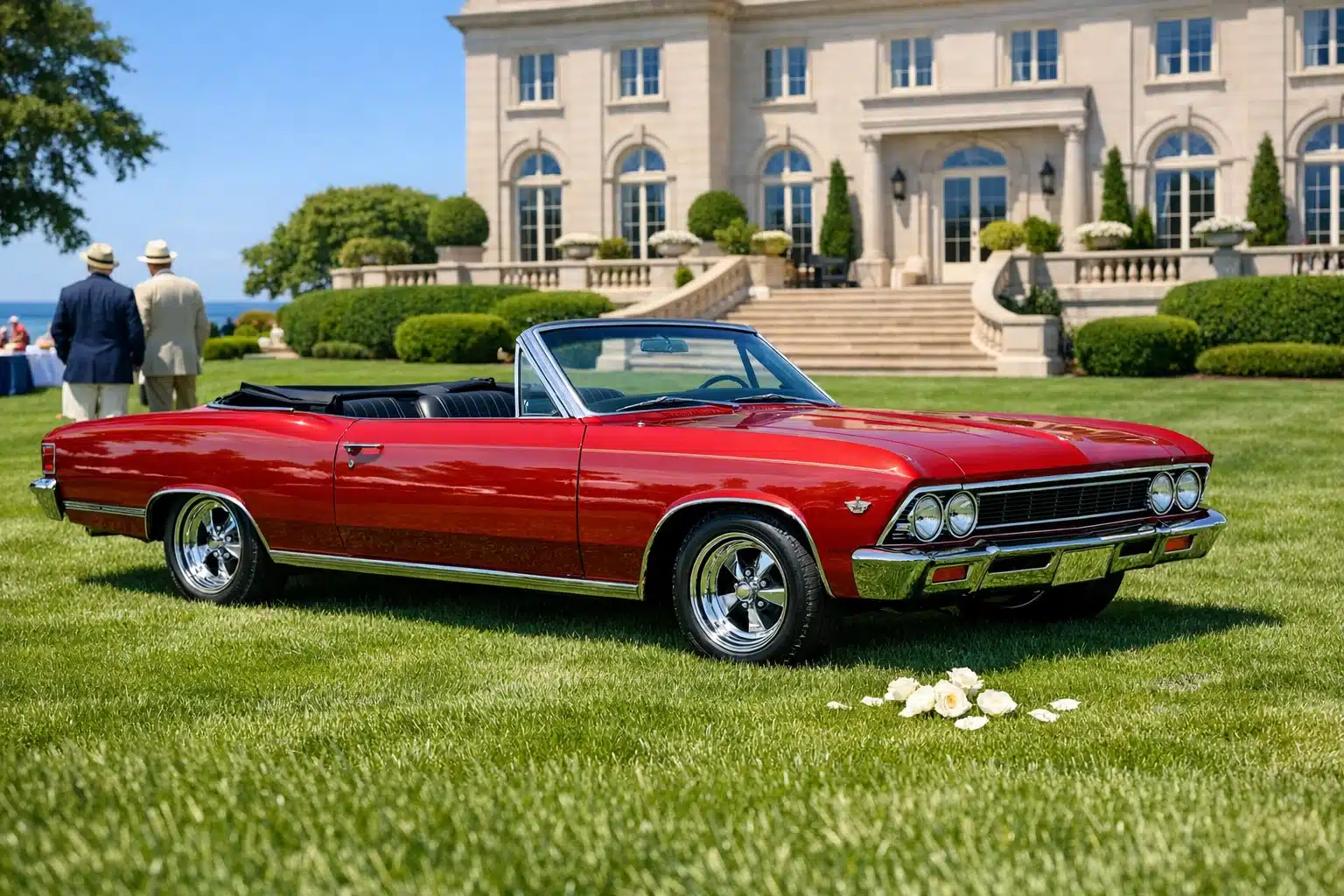
The 1966 model year is especially relevant because Chevrolet restyled the Chevelle and gave the SS396 a stronger identity in the muscle car market. The body was smoother and more modern than the 1965 car, with a longer, lower visual stance and a profile that still looks sharp today. For many enthusiasts, this is the sweet spot: early enough to feel simple and mechanical, but mature enough to offer serious factory performance. When one appears for sale, it grabs attention because it combines visual elegance with the kind of big-block soundtrack that can turn an ordinary test drive into a memory.
A useful outline for buyers looks like this:
- Understand the 1966 SS396’s place in Chevrolet history
- Learn how to separate genuine SS cars from clones or tribute builds
- Compare engine choices, transmissions, and street manners
- Inspect rust, bodywork, trim, and restoration details closely
- Evaluate sellers, paperwork, pricing logic, and negotiation points
This structure matters because the market includes everything from unfinished projects to highly restored show cars and tastefully modified drivers. Not every “1966 Chevelle SS for sale” advertisement describes the same kind of car. One listing may offer a real SS396 sport coupe with period-correct components and partial documentation. Another may be a Malibu that was converted to SS appearance standards and fitted with a later engine. Neither car is automatically bad, but they belong in very different pricing conversations.
Collectors also keep returning to this year because it offers choice. Buyers can look for a sport coupe or convertible, prioritize originality or drivability, and decide whether they want a factory-correct restoration or a machine updated for modern roads. In other words, the 1966 Chevelle SS is not just a car for sale; it is a category with layers, and understanding those layers is what keeps a dream purchase from turning into a costly surprise.
How to Identify a Genuine 1966 Chevelle SS Before You Buy
Authenticity is the first serious checkpoint. The 1966 Chevelle SS396 was not merely a badge package in the casual sense many sellers imply. In 1966, the SS396 became its own series, and that matters because genuine cars carry identifying clues that go beyond emblems, hood trim, or aftermarket wheels. A buyer who knows where to look can quickly tell whether a listing deserves deeper attention or cautious distance.
One of the most important facts is that a real 1966 SS396 should have the proper VIN series. Commonly cited identifiers include 13817 for a sport coupe and 13867 for a convertible. That does not mean every car with a 138 VIN is automatically perfect, but it does mean a car lacking that series should not be marketed or priced as a genuine factory SS396. This single detail can save a buyer from paying premium money for a tribute build.
Documentation adds another layer of confidence. Helpful items include:
- Original or older title history
- Protect-O-Plate or warranty paperwork
- Build sheet, if available
- Window sticker or dealership records
- Receipts showing engine, transmission, and restoration work
The trim tag can help confirm body-related details, colors, and assembly information, but experienced buyers treat the VIN and paperwork as more decisive. Sellers sometimes lean too heavily on appearance features, yet trim pieces are the easiest items to add later. SS badges, hood treatments, wheels, and interior touches can all be changed in a weekend. A true car earns credibility through factory identifiers and a believable paper trail.
Engine verification is also essential. The 1966 SS396 was available with 396-cubic-inch big-block power, but the exact engine suffix, stampings, casting numbers, and date codes should be checked carefully. Matching numbers will matter most to top-dollar collectors, while partial correctness may still satisfy a buyer who wants a strong driver. The key is transparency. If the block is a later replacement or the transmission is non-original, the ad should say so plainly.
Finally, watch for the language sellers use. Terms like “tribute,” “clone,” “re-creation,” and “built to SS specs” are not inherently negative. In fact, some tribute cars are beautifully assembled and more affordable to own. Problems begin when description, paperwork, and price do not match. A genuine SS396 deserves a different level of consideration than a cosmetic conversion, and knowing that difference is one of the smartest moves any buyer can make.
Engines, Transmissions, and What the 1966 SS Feels Like on the Road
The 1966 Chevelle SS is often discussed as if all examples deliver the same experience, but they do not. Engine choice, transmission type, gearing, and restoration approach can make one car feel relaxed and torquey while another feels impatient, loud, and eager to leap forward the moment the light turns green. For shoppers, understanding these differences is essential because the right drivetrain depends on whether the goal is collectibility, weekend cruising, or old-school muscle with a little edge.
Chevrolet offered the SS396 with several 396-cubic-inch big-block variations. Common horsepower ratings associated with 1966 include 325 horsepower for the L35, 360 horsepower for the L34, and 375 horsepower for the high-performance L78. Those numbers matter for more than bragging rights. They influence drivability, market value, maintenance expectations, and the kind of ownership experience a buyer is really signing up for.
In broad terms:
- The L35 is often viewed as the most approachable street engine, with strong torque and a friendlier personality.
- The L34 steps up performance and appeal for buyers who want more punch without chasing the rarest specification.
- The L78 sits near the top of the desirability ladder, especially for serious collectors who value performance history and rarity.
Transmission choice shapes the car just as much. A 4-speed manual gives the Chevelle SS the kind of hands-on character many enthusiasts crave. It makes the car feel alive, mechanical, and direct, which is part of the magic. An automatic, on the other hand, may suit a buyer who wants smoother cruising, easier city driving, or a more relaxed weekend car. Neither choice is universally better; it depends on how the car will be used.
Then there is the road feel. Even a well-restored SS396 is still a mid-1960s muscle car. Steering is less precise than a modern performance coupe, braking distances are longer than contemporary drivers may expect, and suspension tuning favors straight-line confidence over razor-sharp cornering. Yet that is part of the charm. The Chevelle does not pretend to be clinical. It rumbles, leans, and communicates through sound, vibration, and throttle response. When the big-block pulls cleanly through the rev range, the car feels less like a polished appliance and more like a machine with a pulse.
Buyers should also pay attention to modifications. Headers, upgraded ignition components, aluminum radiators, suspension kits, and modern rear gears can make a Chevelle easier to live with. Purists may prefer factory-correct hardware, while drivers may welcome discreet upgrades that improve cooling, reliability, and highway manners. The best listing is usually the one that explains these changes honestly and shows how well they were executed.
Condition, Restoration Quality, and the Real Drivers of Market Value
When a 1966 Chevrolet Chevelle SS is offered for sale, condition is often more important than glossy presentation. Shiny paint may win the first glance, but long-term ownership costs are usually decided by the metal underneath, the quality of past repairs, and the accuracy of the restoration. This is where smart buyers slow down, crawl under the car, review receipts, and look beyond the charm of a polished engine bay.
Rust is one of the biggest concerns. Common problem areas on mid-1960s A-body cars include lower fenders, quarter panels, wheel openings, trunk floors, body mounts, window channels, and sections of the frame. A convertible deserves even more scrutiny because structural rigidity matters greatly, and poor repairs can show up later as misaligned doors, stress cracks, or uneven panel gaps. Fresh undercoating can be useful, but it can also hide trouble. Buyers should treat any overly neat underside as a reason to inspect more carefully, not less.
Here are some value factors that regularly separate stronger cars from weaker ones:
- Original body panels versus extensive patchwork
- Numbers-matching engine and transmission
- Documented restoration with photo evidence and invoices
- Correct trim, badges, wheels, and interior materials
- High-quality paint and panel fit without filler-heavy shortcuts
- Mechanical sorting, including cooling, fuel delivery, and suspension work
Market value rises sharply when several of these factors line up at once. A documented, authentic SS396 with strong originality and careful restoration will usually sit far above a driver-grade car with replacement components and uncertain history. Rare combinations, especially high-performance engines or desirable body styles, can widen that gap even more. On the other hand, a solid tribute car or tasteful restomod may still be an excellent purchase for an enthusiast who cares more about experience than judging sheets.
Restoration philosophy matters too. Some sellers present a car as “fully restored” when it is really a cosmetic refresh. Others have invested heavily in body-off work, date-code-correct components, rebuilt suspension, and carefully finished interiors. Ask what was actually done. Was the frame cleaned and coated? Were brake lines, fuel lines, bushings, and weatherstripping replaced? Was the engine rebuilt by a known shop, or simply painted and detailed? The answers reveal whether the asking price rests on substance or storytelling.
One more point often overlooked is cost after purchase. A cheaper car can become expensive very quickly if it needs rust repair, wiring work, interior replacement, or a drivetrain rebuild. Buyers who pay more upfront for a sorted car sometimes spend less overall. In the classic market, the best bargain is not always the lowest number on the ad. It is the car that combines honesty, solid structure, dependable mechanics, and a price that makes sense once all future expenses are considered.
Where to Find a 1966 Chevelle SS for Sale and Final Buyer Takeaways
The search itself deserves a plan. A 1966 Chevrolet Chevelle SS can appear through online marketplaces, classic car dealers, collector auctions, enthusiast forums, local shows, and word-of-mouth leads from restoration shops. Each source has advantages and trade-offs. Dealers may offer convenience, financing contacts, and a more polished presentation, but prices can reflect that convenience. Private sellers may provide richer ownership history and room for negotiation, though the buyer usually has to handle more verification. Auctions deliver visibility and excitement, yet that same energy can encourage fast decisions and inflated bidding.
Wherever the car is listed, buyers should ask focused questions early:
- Is it a documented real SS396 or a tribute build?
- What engine and transmission are in the car now?
- Are the block, heads, and rear axle date-code correct?
- What rust repair has been done, and are photos available?
- Has the car been driven regularly, or stored for long periods?
- Can an independent inspection be arranged before money changes hands?
Those questions quickly sort serious sellers from vague advertisers. A trustworthy owner can usually discuss ownership length, repair history, cold-start behavior, and known flaws without hesitation. If the answers stay fuzzy, the photos are selective, or the seller resists inspection, that is valuable information in itself.
An in-person inspection is ideal. Bring a magnet, flashlight, notepad, and, if possible, someone who knows 1960s GM cars. Check door fit, trunk seams, weatherstripping, glass markings, wiring condition, and whether the car starts cleanly from cold. During a drive, listen for driveline vibration, wandering steering, overheating, brake pull, and transmission issues. A real classic should have character; it should not feel like it is negotiating every mile with you.
For the target buyer, the best strategy is simple. If you want maximum originality and long-term collector strength, focus on documentation, correct components, and proven authenticity. If your goal is weekend enjoyment, a well-built tribute or sensibly upgraded SS may offer more value and less anxiety. If you are new to classic muscle cars, patience will save you money. The right 1966 Chevelle SS is not just the one that looks dramatic in a listing photo. It is the one whose history, condition, specification, and price all make sense together. That is the car worth chasing, and the one most likely to reward you long after the sale is done.