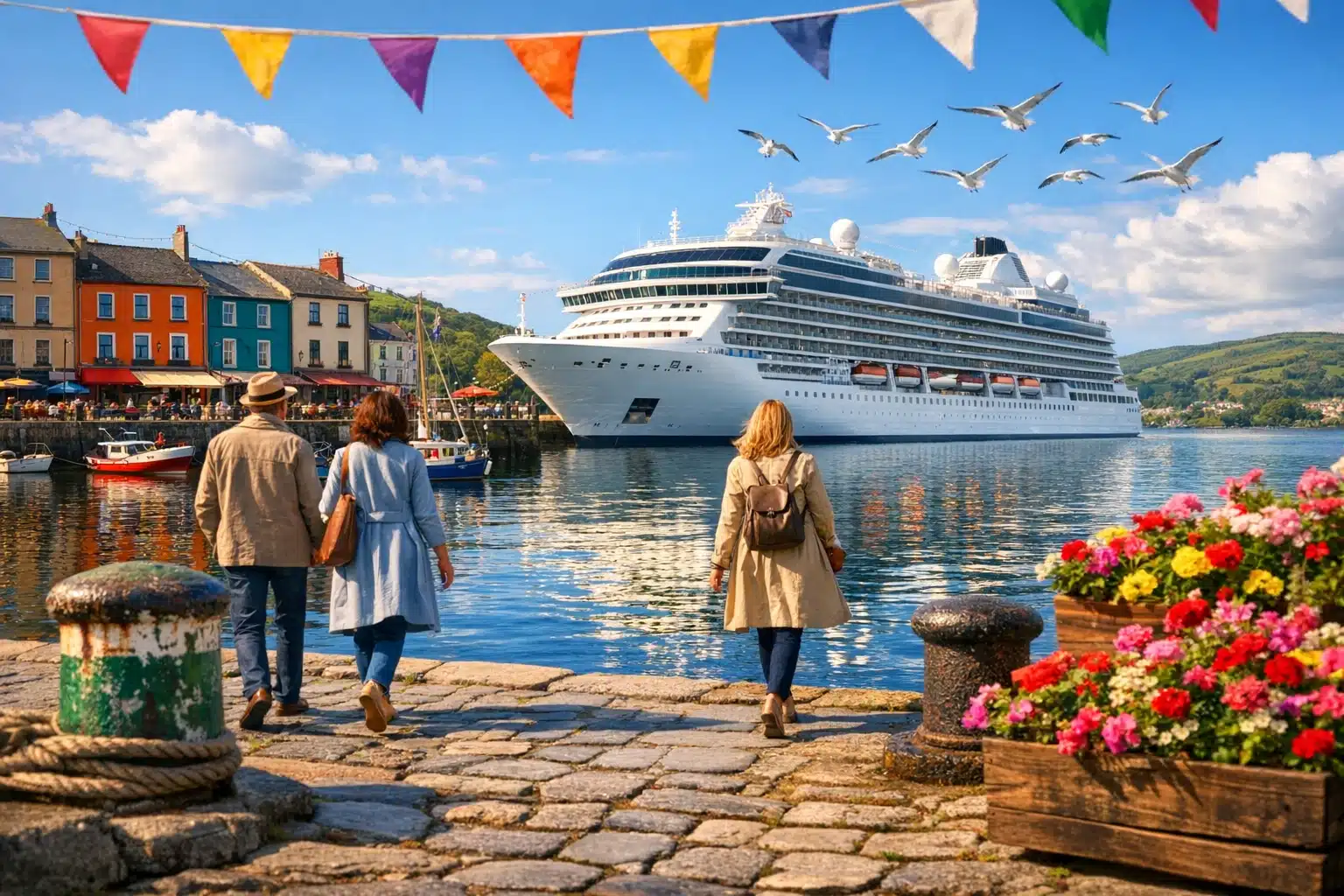
 Artificially generated image
 3 Night Cruises From Belfast: What to Expect and How to Choose
Introduction and Outline: Why Short Cruises From Belfast Matter
For travelers who want a change of scene without committing to a full week at sea, a 3 night cruise from Belfast can be a smart middle ground. It combines the ease of boarding close to home with the pleasure of unpacking once, dining onboard, and waking up somewhere new after only a few days away. That mix of convenience, novelty, and manageable cost makes short departures especially appealing to couples, first-time cruisers, and busy professionals.
Belfast is well placed for this kind of escape. As a departure port, it offers something many travelers value more than they first expect: simplicity. Rather than dealing with a long transfer to a major southern port or the added expense of flights, local and regional passengers can often begin their trip with less stress and less wasted time. That matters on a short sailing, because every hour counts. When the whole holiday lasts only three nights, a smooth embarkation process can make the difference between a trip that feels refreshing and one that feels rushed.
Short cruises also fill a specific gap in the travel market. They are not designed to replace a classic seven- or fourteen-night itinerary. Instead, they serve different needs. Some people use them as a first taste of cruise life before booking something longer. Others choose them for a celebration, a birthday, an anniversary, or simply a weekend that feels more special than a hotel stay. In practical terms, these sailings often deliver a blend of onboard entertainment, included meals, sea views, and at least one change of scenery without requiring extensive planning.
This article follows a clear structure so readers can compare options more easily:
-
how a three-night cruise from Belfast usually works in real life
-
which itinerary styles are most common and how they differ
-
what to look for when comparing fares, cabins, and onboard inclusions
-
which travelers are most likely to enjoy this format
-
how to prepare so a short trip still feels worthwhile
Because availability changes by season and cruise line, the goal here is not to promise a fixed list of departures. It is to help you understand the shape of the market, the trade-offs between different choices, and the small details that can turn a brief getaway into a genuinely satisfying one. Think of it as a practical map before you step onto the gangway.
What to Expect on a 3 Night Cruise From Belfast
A three-night cruise moves at a different rhythm from a longer voyage. It begins quickly, settles fast, and ends before you have time to overthink anything. That pace is part of the appeal. You board, explore the ship, and almost immediately the trip has started to unfold around you: the sail-away atmosphere, the first dinner, the low hum of the sea beyond the windows, and the quiet realization that for a few days someone else is doing the cooking, cleaning, and scheduling.
In practical terms, most short sailings from Belfast follow a compressed pattern. Day one is usually embarkation, which means check-in, security, cabin access, the safety drill, and departure from port. Day two may be a sea day or a port visit, depending on the itinerary. Day three often includes another port, a slower scenic stretch, or a full day onboard with entertainment and dining as the main focus. Day four is disembarkation. Because of this structure, you should not expect the same depth of destination time you would get on a longer cruise. A mini-cruise is about the overall experience, not exhaustive sightseeing.
There are a few things passengers commonly notice on these shorter trips:
-
the ship itself becomes a large part of the holiday
-
packing light matters because you will use most items only once or twice
-
embarkation and disembarkation feel more significant because they take up a larger share of the trip
-
good planning before departure improves the experience more than people expect
Weather is another important factor. Belfast departures can involve the Irish Sea and nearby waters, where conditions may feel lively at times, especially outside the calmest summer windows. Modern cruise ships are designed for these routes, but travelers who are prone to motion sickness should prepare in advance rather than react too late. A short sailing is not ruined by a breezy crossing, yet comfort products, sensible footwear, and realistic expectations all help.
Onboard, the atmosphere usually leans relaxed and social. Because passengers know the voyage is brief, many jump straight into the fun: drinks in the lounge, evening shows, themed events, specialty dining, and plenty of deck-side photos if the weather cooperates. The best way to think about the experience is this: a 3 night cruise from Belfast is less like a grand expedition and more like a carefully staged short break with a floating hotel, shifting horizons, and a built-in sense of occasion.
Common Itinerary Types and How They Compare
One of the most important things to understand is that short cruises from Belfast are not all trying to do the same job. Some are built around convenience. Others are built around atmosphere. A few exist because the ship needs to reposition between ports, which can create unusual opportunities for travelers who are flexible. That means the best choice depends less on the word cruise and more on the shape of the itinerary itself.
The first broad category is the round-trip mini-cruise with a single port call or one port plus a sea-focused day. This is often the easiest format for beginners because it starts and ends in Belfast. There is no need to arrange complicated onward transport, and the trip feels self-contained. Ports on these short northern sailings may vary by operator and season, but nearby British and Irish destinations are the most natural fit. The advantage is convenience. The trade-off is that the destination time can be brief, so you need to enjoy the onboard side of the holiday as much as the stop itself.
The second type is the one-way or repositioning cruise. These can sometimes offer strong value because they fill a practical operational need for the cruise line. A ship may be moving to another UK port or beginning a longer seasonal program elsewhere. For travelers, that can mean an appealing fare and a chance to sample a larger vessel without paying for a full itinerary. The catch is obvious: you must plan your return home. If a one-way trip ends in Liverpool, Southampton, or another embarkation point, rail, coach, flight, or hotel costs can reduce the bargain quickly.
A third style is the themed or event-driven short break. These sailings are often timed around festive periods, entertainment programs, or city-break appeal. They may place extra emphasis on onboard music, dining, social events, or seasonal atmosphere rather than pure destination coverage. If your ideal holiday includes long dinners, live performances, and a lively bar scene, this format can feel richer than a stop-heavy itinerary.
When comparing these options, a simple framework helps:
-
round-trip sailings are usually best for convenience and first-time confidence
-
one-way departures may suit experienced travelers comfortable arranging logistics
-
themed voyages often appeal to couples, groups of friends, and celebration trips
-
port-heavy expectations can lead to disappointment on a voyage this short
The smart approach is to decide what you want the holiday to feel like. If you are chasing efficient sightseeing, a land-based weekend may compete well. If you want the unusual pleasure of watching Belfast fall behind, settling into a cabin, and letting the trip unfold with minimal effort, then the right short cruise can be surprisingly satisfying.
How to Choose the Right Sailing: Budget, Cabin, Season, and Style
Choosing well is less about finding the cheapest fare and more about understanding what value means on a short trip. Because the cruise lasts only three nights, every decision carries extra weight. A slightly better cabin, a more convenient itinerary, or a sailing date that fits your schedule can have a bigger impact here than it might on a week-long voyage. In other words, short cruises reward careful comparison.
Start with the total cost, not the headline price. Cruise fares often cover accommodation, standard dining, and a range of onboard entertainment, but other charges may still apply. Drinks, specialty restaurants, Wi-Fi, gratuities, parking, transfers, shore excursions, and travel insurance can all change the real figure. A fare that looks attractively low may stop looking so simple once the extras are added. On a brief voyage, that matters because passengers sometimes spend more per day than they expected, especially when the holiday mood arrives faster than the bill.
The cabin choice is also more important than many first-time cruisers assume. If your itinerary includes limited port time, you may spend a larger share of the trip onboard and in your room. An inside cabin can be perfectly sensible for budget travelers who plan to stay busy around the ship, but a sea-view or balcony cabin can make the voyage feel far more atmospheric. Watching the coastline fade at dusk or catching early light over open water adds something memorable, particularly on a sailing where the ship itself is part of the destination.
When comparing options, think through the following questions:
-
Do you want a lively social atmosphere or a quieter pace?
-
Is a round trip more important than finding the lowest fare?
-
Would you rather have a better cabin or spend more on extras onboard?
-
Are you comfortable traveling in cooler, windier shoulder-season weather?
-
Does the line suit your travel style, whether family-focused, premium, or casual?
Seasonality can be decisive. Summer usually offers longer daylight and a more relaxed feel on deck, while spring and autumn may bring lower prices and fewer crowds. Winter sailings, where available, can feel festive and dramatic, but passengers should be realistic about weather and daylight. Finally, check practical details that are easy to overlook: boarding times, identification rules, baggage limits, dress expectations, dining slots, and transport to the terminal. Choosing the right cruise is rarely about one magical feature. It is about aligning several ordinary details so the whole trip feels easy from the first step to the final disembarkation.
Who These Cruises Suit Best and Final Thoughts for Belfast Travelers
A short cruise from Belfast is not for everyone, and that is precisely why it helps to be honest about what kind of traveler you are. If your ideal break is built around deep cultural exploration, multiple museums, or long unstructured days in one city, a cruise this short may feel too compressed. But if you enjoy a holiday where logistics are simplified, meals are largely taken care of, and the journey itself carries part of the excitement, then this format can be an excellent fit.
These sailings tend to work particularly well for a few groups. First-time cruisers often appreciate the lower commitment. Three nights is long enough to learn whether they enjoy shipboard life, yet short enough that the experiment feels low risk. Couples looking for a compact romantic break often like the built-in evening atmosphere, especially when the ship offers good dining and entertainment. Friends celebrating a birthday or reunion may find that a mini-cruise creates a stronger sense of occasion than a standard hotel weekend. Even experienced cruise passengers sometimes use these departures as a relaxed sampler between bigger trips.
Before booking, it helps to think in terms of fit rather than fantasy. Ask yourself whether you are comfortable with a holiday that may include limited time ashore, variable weather, and a schedule set by the operator rather than by your own mood. If the answer is yes, the rewards are real. There is a small thrill in setting sail from a familiar city and seeing it become distant, almost theatrical, as gulls circle overhead and the water opens out. A short cruise can make ordinary time feel briefly rearranged.
For readers considering their options, the most useful summary is simple:
-
choose round-trip convenience if ease matters most
-
choose a one-way bargain only if the return journey is genuinely manageable
-
choose based on overall experience, not just the fare or destination name
-
choose a line and ship that match your energy level and expectations
For Belfast-based travelers, the strongest advantage is proximity. You can begin a holiday without turning the departure itself into a project. That is what makes these mini-cruises relevant. They offer a realistic, time-efficient escape for people who want fresh air, changing scenery, and a touch of travel ritual without stretching the calendar too far. If that sounds like your kind of break, a well-chosen three-night sailing can deliver more than its brief duration suggests.