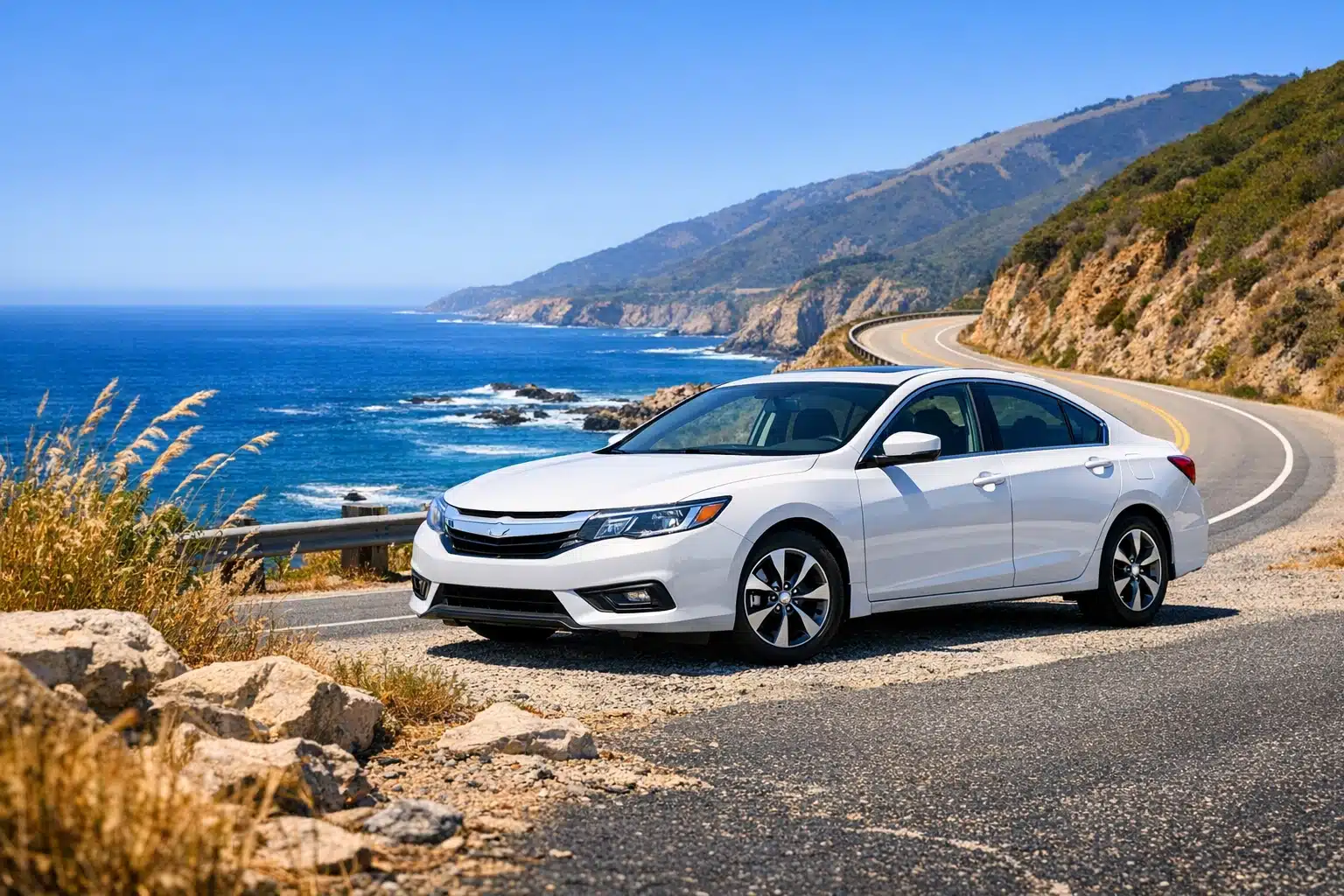
 Artificially generated image
 Buying a Toyota Camry From a Hertz Inventory Sale
Buying a Toyota Camry from a Hertz inventory sale sits at the crossroads of value, convenience, and caution. For many shoppers, it offers a shot at a practical midsize sedan with a long record of reliability at a price that may land below a typical dealer listing. Yet a former rental carries its own history, shaped by many drivers, scheduled fleet maintenance, and mileage that can look intimidating at first glance. Knowing how those pieces fit together makes the difference between a sensible purchase and an expensive assumption.
Outline:
- Why the Toyota Camry appears so often in rental fleet sales and why buyers notice it.
- The practical advantages of buying a Camry from a Hertz inventory sale compared with other used-car channels.
- The risks, wear patterns, and misconceptions that deserve close attention before signing anything.
- A detailed checklist for pricing, inspection, test-driving, financing, and paperwork.
- Who is most likely to benefit from this type of purchase and when it makes sense to walk away.
Why a Toyota Camry From a Hertz Inventory Sale Gets So Much Attention
The Toyota Camry occupies a very particular place in the used-car market. It is not exotic, not trendy, and rarely bought for drama. Instead, it has spent decades building a reputation around traits people actually live with every day: predictable comfort, solid fuel economy for a midsize sedan, generous cabin space, and a track record of durability that has made it a default choice for commuters, small families, and fleet operators. That last group matters here. Rental companies tend to favor vehicles that are broadly appealing, inexpensive to maintain, and easy to resell, which explains why the Camry shows up so often in inventory sales.
When shoppers hear “Hertz inventory sale,” they often imagine a simple bargain: a recognizable sedan, a national company, and a price lower than a dealer’s sticker. Sometimes that impression is justified. Sometimes it is incomplete. A retired rental vehicle is a very specific kind of used car. It has usually been part of a managed fleet, meaning it may have followed scheduled maintenance more consistently than a car owned by a distracted individual. At the same time, it has likely been driven by many people with very different habits, and its mileage may climb faster than that of a privately owned car of the same age.
That combination is exactly why these cars attract serious attention. Buyers are often trying to balance cost and confidence. A used Camry from a fleet sale can feel more predictable than a private-party vehicle with sparse records and more affordable than a certified pre-owned car at a franchise dealership. The appeal becomes even stronger for buyers who care less about owning a pristine showpiece and more about getting dependable transportation without stretching the budget.
Several factors usually drive interest:
- The Camry has wide market recognition and strong resale familiarity.
- Rental fleets often rotate vehicles out on a planned schedule rather than waiting for them to become old and tired.
- Fleet listings may include trim, mileage, and equipment details in a more standardized format than private sales.
- Shoppers can compare multiple similar vehicles at once instead of hunting through scattered local listings.
In other words, a Hertz Camry is not just “another used car.” It represents a blend of institutional maintenance, rapid depreciation, broad consumer trust, and visible trade-offs. That is why it attracts practical buyers who want a sensible sedan but do not want to confuse a recognizable badge with an automatic green light. The opportunity is real, but so is the need for careful evaluation.
The Main Advantages: Price, Predictability, and Everyday Usability
The strongest case for buying a Toyota Camry from a Hertz inventory sale usually begins with value. Former rental vehicles can be priced competitively because fleet owners buy in volume, operate on turnover cycles, and eventually need to move units efficiently. For shoppers, that can translate into a lower asking price than a comparable vehicle sold through a traditional retail lot, especially when the comparison involves similar model years and trim levels. A lower sticker price does not guarantee a better deal, of course, but it creates room for the numbers to work in your favor if the car checks out mechanically.
There is also a practical kind of predictability in fleet cars that many buyers appreciate. Rental companies typically have a business reason to keep cars road-ready. A vehicle that cannot be rented is not earning money, so regular servicing is part of operations rather than an afterthought. That does not make every ex-rental perfect, but it often means there is a clearer maintenance rhythm than you might find with a private seller who misplaced receipts or delayed repairs. For a used-car shopper, that structure matters. It helps shift the conversation from guesswork toward documentation.
Another benefit is the Camry itself. Even shoppers who are not Toyota loyalists tend to understand what the Camry offers. The cabin is usually easy to live with, the controls are straightforward, and repair shops everywhere know the platform. Parts availability tends to be less stressful than with niche models, and insurance companies are familiar with the vehicle. In plain language, a Camry is one of those cars that rarely turns ownership into a mystery novel.
Compared with other buying routes, the advantages become clearer:
- Against a private sale, a Hertz inventory car may provide more consistent records and a more standardized sales process.
- Against a franchise dealer’s certified pre-owned offering, it may cost less upfront, even if it comes without the same certification benefits.
- Against buying an unfamiliar model, the Camry offers a known ownership experience and easier long-term planning.
There is a subtler advantage too: many rental cars accumulate a good portion of their mileage on longer trips rather than constant cold starts and short urban hops. Highway miles are not harmless, but they can be gentler on some components than stop-and-go city use. That said, no buyer should treat “highway miles” as a magic phrase that cancels all wear. It is a piece of context, not a shortcut to trust.
For budget-minded drivers, the overall package can be compelling. If your goal is comfortable, unflashy transportation that starts each morning without drama, a Camry from a Hertz inventory sale may offer something many used-car shoppers want but rarely say out loud: fewer surprises, a manageable price point, and a car that fits into life without constantly asking for attention.
The Trade-Offs and Risks You Should Not Ignore
If the upside of a Hertz Camry is straightforward, the downside is equally real. A former rental car has lived a public life. Many different people may have driven it, and not all of them treated it as if they would be paying for the next set of tires or the next brake job. This does not mean ex-rental vehicles are automatically abused, but it does mean buyers should replace romantic ideas about “one careful owner” with a more realistic understanding of shared use. A rental car can be maintained on schedule and still show signs of accelerated wear in specific areas.
The most obvious concern is mileage. Rental fleets often put miles on cars quickly, and that affects both resale value and component lifespan. A high-mileage Camry is not necessarily a bad vehicle, especially given the model’s reputation, but the price must reflect the odometer honestly. Mileage matters less as an isolated number than as part of a bigger story. A car with higher miles, complete records, good tires, smooth shifting, and a clean inspection can be a better buy than a lower-mileage car with deferred maintenance and inconsistent history.
Cosmetic wear is another common issue. You may see scratches near the trunk opening, scuffed door panels, worn steering-wheel surfaces, stained seats, or small chips from highway use. None of these items alone should trigger panic, but they help reveal how the vehicle was treated. Interiors in rental cars often tell a more honest story than freshly washed paint. Buttons, seat bolsters, climate controls, and ports receive repeated use, and they can age faster than the odometer suggests.
Buyers should also remember that history reports are helpful, not complete biographies. If an incident was minor, repaired without an insurance claim, or simply not reported in a way that reaches databases, it may not appear the way a shopper expects. That is why a visual inspection and a professional pre-purchase inspection matter so much. Data is useful, but a mechanic with good lighting and no emotional attachment to the deal is often more useful.
Key areas to watch closely include:
- Tire condition and whether wear is even across all four corners.
- Brake feel, rotor vibration, and any pulling under braking.
- Transmission behavior during low-speed acceleration and highway merging.
- Interior electronics, charging ports, infotainment response, and backup camera clarity.
- Panel gaps, paint consistency, and signs of past bodywork.
There is also a perception issue. Some future buyers will discount a car simply because it was once a rental. That may affect resale when it is your turn to sell. Think of it like buying a sturdy suitcase that already has a few airport miles on it: it may still travel beautifully, but it will never be mistaken for untouched luggage. If you understand that reality going in, you can judge the car on condition, price, and purpose rather than on marketing gloss.
How to Evaluate the Deal: Inspection, Pricing, Test Drive, and Paperwork
The smartest way to buy a Toyota Camry from a Hertz inventory sale is to approach it with a process, not a mood. A clean website listing and a familiar badge can lower your guard, but used-car math always works best when you move step by step. Start with market research. Look at comparable Camrys in your region by model year, trim, mileage, drivetrain, and accident history. A former rental should usually be competitive enough in price to justify its history. If it is listed at nearly the same price as a similar privately owned or certified example, the bargain may be more emotional than real.
Next, study the vehicle identification number, maintenance history if available, and history report. You are looking for consistency rather than perfection. Check whether the mileage progression makes sense, whether service intervals look reasonable, and whether there are title issues or damage records. Then move to the part many buyers try to skip: an independent inspection. Even if the car seems clean and the sales process feels polished, pay for a trusted mechanic to inspect it. That small cost can save a far larger one later.
The test drive should be longer than a loop around the block. Drive on city streets, rough pavement, and a highway if possible. Listen on a quiet road with the audio off. Feel how the car behaves during braking, merging, and lane changes. A Camry is not supposed to feel theatrical; it is supposed to feel composed. That calmness is exactly what makes small problems easier to spot. A clunk over bumps, a delayed shift, a steering vibration, or a wandering alignment can stand out sharply in a car designed around everyday smoothness.
A practical checklist helps keep emotions from taking the wheel:
- Compare the sale price with similar Camrys from dealers, private sellers, and certified channels.
- Inspect tires, glass, paint, underbody condition, lights, and all interior functions.
- Verify how many keys are included and whether manuals, floor mats, and cargo accessories are present.
- Ask about return policies, limited warranties, and whether any reconditioning was completed before sale.
- Review registration fees, taxes, financing costs, and insurance quotes before committing.
Financing deserves special attention. A competitive sale price can lose its appeal quickly if the loan terms are weak. If you can, secure pre-approval from a bank or credit union before shopping. That gives you a reference point and reduces the chance that you judge the deal only by monthly payment. Monthly payments can be dressed up like window displays; total purchase cost is where the truth lives.
Finally, do not rush paperwork. Confirm the title status, review any dealer or seller disclosures, and read every line tied to add-ons. Some buyers walk into a used-car transaction focused on the vehicle and walk out having overlooked the contract. A good Camry at a fair price can still become a bad deal if the paperwork adds costs you did not plan for. Patience is not glamorous, but in used-car buying it often behaves like a hidden discount.
Conclusion: Who Should Buy a Hertz Camry and Who Should Keep Looking
A Toyota Camry from a Hertz inventory sale makes the most sense for a buyer who values function over fantasy. If you want a comfortable sedan for commuting, school runs, daily errands, or long highway trips, and you are willing to judge the car by condition instead of pedigree, this route can be practical. The sweet spot is usually the shopper who wants a known model, a manageable budget, and a buying process that may feel more structured than chasing one private listing after another. For that person, the ex-rental label is not a red flag by itself; it is simply part of the pricing equation.
This kind of car is especially well suited to drivers who plan to keep it for several years rather than flip it quickly. If your goal is dependable transportation and you are less concerned about squeezing every possible dollar from future resale, a well-inspected rental-fleet Camry can deliver honest value. It may also appeal to first-time buyers, budget-conscious households, or anyone replacing an aging vehicle without wanting to step into a more complicated ownership experience. The Camry’s broad reputation, straightforward controls, and mainstream serviceability matter a lot when life is busy and the car just needs to work.
On the other hand, some shoppers should be more selective. If you care deeply about low mileage, spotless interior condition, single-owner history, or maximum resale appeal, a former rental may not be your ideal match. The same goes for buyers who want the reassurance of a certified pre-owned warranty package from a franchise dealer and are willing to pay more for it. There is nothing wrong with that preference. The mistake is not choosing one path over another; the mistake is pretending all used cars carry the same strengths and compromises.
As a final decision framework, ask yourself three questions:
- Is the price meaningfully better than other Camrys with similar age and equipment?
- Did the inspection and test drive support the car’s condition rather than merely confirm its existence?
- Does this car fit your real-world needs better than a shinier alternative with weaker value?
If your answers are yes, a Hertz inventory sale Camry may be a sensible purchase that does exactly what a midsize sedan should do: fade into the background and let you get on with your life. If the numbers are thin, the wear feels excessive, or the paperwork raises doubts, walk away without regret. Used-car shopping rewards discipline more than speed. For the right buyer, the right Camry can be a calm, rational choice in a market that often tries very hard to make everything feel urgent.