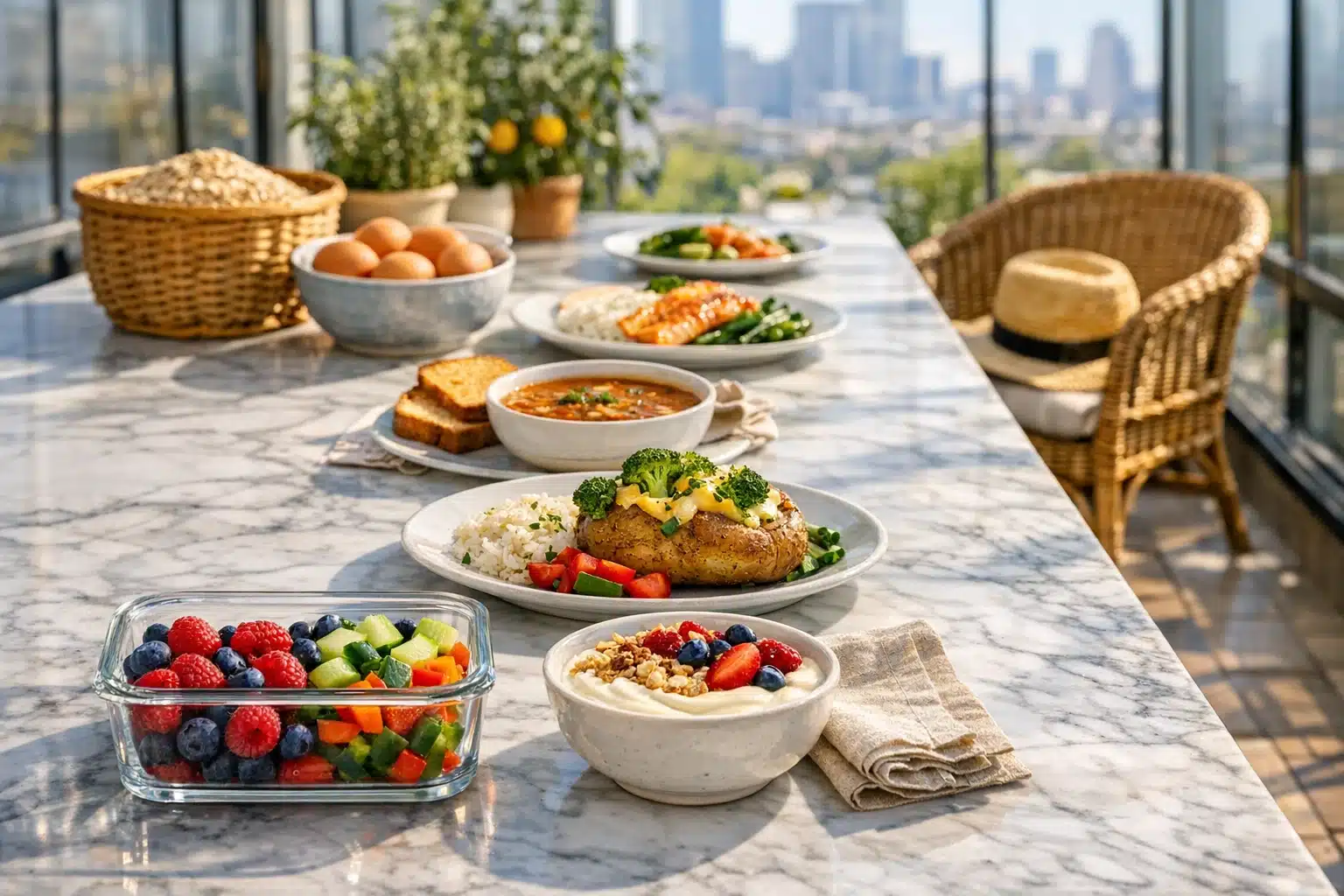
 Artificially generated image
 Easy Meal Ideas for Seniors Living Alone
Cooking for one can feel oddly complicated, especially when energy, appetite, and motivation shift from one day to the next. Many older adults are not looking for gourmet projects; they want meals that are manageable, nourishing, affordable, and pleasant to eat. The encouraging part is that good solo eating does not depend on fancy recipes or long shopping trips. With a few reliable ingredients and some flexible meal patterns, everyday food can become easier, safer, and more enjoyable.
This article begins with a simple outline and then expands each part in detail. Outline:
• how to build balanced meals without extra effort
• breakfast and lunch ideas that are quick and satisfying
• dinner options with minimal cleanup
• smart shopping, storage, and food safety for one
• a gentle weekly routine with a practical conclusion for seniors living alone
1. What Makes an Easy and Nourishing Meal for One
When seniors live alone, the hardest part of eating well is often not cooking skill. It is the quiet accumulation of small obstacles: buying too much food for one person, losing interest in cooking, standing too long at the stove, or feeling that a full recipe is simply more work than it is worth. That is why an easy meal should be judged by more than taste alone. It should be simple to prepare, comfortable to eat, balanced enough to support health, and realistic for a single household.
A practical meal framework can help. Many dietitians encourage building meals from a few reliable parts instead of chasing new recipes every day. A useful pattern is:
• one protein source, such as eggs, yogurt, beans, fish, chicken, tofu, or cottage cheese
• one fiber-rich food, such as oats, whole-grain bread, brown rice, fruit, vegetables, or beans
• one source of color and freshness, often fruit or vegetables
• one small addition for flavor, such as olive oil, herbs, cheese, lemon, or a favorite sauce
This pattern matters because nutritional needs change with age. Many older adults need fewer calories than they did in earlier decades, yet protein, calcium, fiber, fluids, and several vitamins remain just as important, and sometimes more so. That means a plate of crackers alone may fill the stomach for a moment but will not do much to support strength, digestion, or steady energy. By contrast, a bowl of soup with beans, a slice of whole-grain toast, and fruit on the side gives more lasting value with very little extra effort.
Texture and ease also deserve attention. Some seniors prefer softer foods because chewing feels tiring or dental issues make certain meals less appealing. In that case, “easy” may mean oatmeal instead of granola, scrambled eggs instead of a chewy cut of meat, cooked vegetables instead of a raw salad, or a tuna and avocado mash instead of a stacked sandwich. There is nothing lesser about soft, assembled, or simplified meals. In many homes, the best meal is the one that gets eaten gladly.
There is also a helpful comparison between fresh, frozen, and canned ingredients. Fresh produce offers great flavor, but frozen vegetables are often just as nutritious and usually create less waste. Canned beans, tomatoes, tuna, and soup can save time and reduce chopping. Low-sodium options are worth choosing when possible, but convenience foods do not have to be dismissed. For seniors living alone, the smartest kitchen is rarely the fanciest one. It is the one that makes regular eating feel possible on ordinary days.
2. Breakfasts and Light Lunches That Are Quick, Flexible, and Pleasant to Eat
Breakfast and lunch can be surprisingly important for seniors who live alone because these meals set the pace for the rest of the day. If the morning begins with something steady and easy, it is often simpler to eat well later. If it begins with only coffee and a few bites of toast, energy may dip, hunger may arrive all at once, and dinner can become an afterthought. The goal is not to create restaurant-style plates before noon. It is to keep nourishment within easy reach.
Breakfast works best when it can be repeated without becoming dull. Oatmeal is a classic example because it can change personality with a few small additions. One day it can be made with sliced banana and cinnamon, another day with applesauce and walnuts, and another with berries and a spoonful of yogurt. Eggs offer similar flexibility. Scrambled eggs with spinach, a microwaved egg in a mug, or boiled eggs prepared ahead of time can all fit into a low-effort routine. Greek yogurt, cottage cheese, or ricotta on toast also give protein without much work.
Cold breakfasts can be especially useful on low-energy days. A bowl with yogurt, fruit, and high-fiber cereal takes less than five minutes. Peanut butter on whole-grain toast with half a banana is another good example of a meal that feels modest but carries protein, fiber, and familiar flavor. For people who prefer savory food in the morning, leftover soup, a small cheese-and-tomato sandwich, or a warm baked sweet potato can be more satisfying than sugary options.
Lunch is often where simplicity shines. An assembled plate can work just as well as a cooked meal. Consider these ideas:
• hummus, whole-grain crackers, cucumber slices, and a boiled egg
• tuna or salmon mixed with plain yogurt or a little mayo, served on toast
• a bean soup with fruit and a handful of nuts
• turkey slices rolled with cheese, plus tomato soup
• cottage cheese with peaches and a slice of whole-grain bread
There is a useful comparison between hot lunches and cold lunches. Hot meals, such as soup, oatmeal, or eggs, can feel comforting and may be easier to digest for some people. Cold meals, such as yogurt bowls, sandwiches, or snack plates, ask less of the cook and can be ideal during warm weather. Neither is automatically better. The wiser choice depends on appetite, season, and energy. Think of lunch less as a formal event and more as a chance to refuel without fuss.
A creative trick is to treat lunch like a small picnic, even at the kitchen table. A few grapes, sliced cheese, crackers, turkey, and carrot sticks can feel inviting in a way that a “proper meal” sometimes does not. Presentation matters more than many people expect. A colorful plate can gently persuade someone to eat when motivation is low. For seniors living alone, that quiet bit of persuasion can make a real difference.
3. Easy Dinners With Minimal Cleanup and Reliable Ingredients
Dinner often feels like the most demanding meal of the day, especially when fatigue has built up and the thought of washing several pans sounds deeply unappealing. The good news is that satisfying dinners do not need to be elaborate. In fact, the strongest weeknight strategy for a one-person household is to rely on a few dinner formats rather than a long list of recipes. Once the format is familiar, the ingredients can change without causing extra mental work.
One-pan meals are especially helpful. A sheet-pan dinner might include salmon or chicken, cubed potatoes, and vegetables such as green beans, carrots, or broccoli, all cooked together with olive oil and herbs. The method is simple, the cleanup is light, and leftovers can become tomorrow’s lunch. Skillet meals work similarly. Ground turkey with frozen mixed vegetables and cooked rice can become a quick stir-fry. Eggs added to sautéed vegetables and cheese create an easy frittata-like meal that feels more substantial than its short ingredient list suggests.
Soup-based dinners deserve more credit than they usually receive. A can of low-sodium soup can be improved with extra beans, shredded chicken, spinach, or frozen peas. That small addition increases protein and fiber while keeping the meal soft and easy to manage. Another smart option is the baked potato dinner. A microwave-cooked potato topped with cottage cheese, chili, steamed broccoli, or tuna can become a filling meal in under fifteen minutes. It is humble food, certainly, but humble food often carries households through real life.
There is also a meaningful comparison between cooking from scratch and using prepared ingredients. From-scratch cooking offers control and can be rewarding, but prepared items often make healthier eating more consistent. Rotisserie chicken, frozen vegetables, prewashed salad greens, microwaveable brown rice, and canned beans can dramatically reduce effort. Used thoughtfully, they are not shortcuts in a negative sense; they are tools. For many seniors, tools that protect strength and independence are worth embracing.
Here are a few dependable dinner combinations:
• grilled cheese with tomato soup and fruit
• scrambled eggs, toast, and sautéed mushrooms
• rotisserie chicken, frozen peas, and a microwaved potato
• pasta with olive oil, white beans, spinach, and grated cheese
• rice, black beans, salsa, and avocado
• baked fish, sweet potato, and green beans
Portion size matters too. Some older adults eat better when the evening meal is modest and a small snack follows later. Others prefer a larger main meal and a lighter breakfast. That flexibility is perfectly reasonable. A “good dinner” is not one that looks impressive on paper. It is one that suits appetite, feels manageable to prepare, and leaves enough leftovers or ingredients to make tomorrow easier. In a solo kitchen, momentum is almost as valuable as the meal itself.
4. Smart Shopping, Storage, and Food Safety for One-Person Households
The success of easy meals often begins before the stove is turned on. Shopping for one person requires a different mindset from shopping for a family. Bulk deals can seem economical, but they are not a bargain if half the food spoils in the refrigerator. Seniors living alone usually benefit more from a compact, well-chosen set of staples than from a cart full of ambitious ingredients. The aim is to reduce waste, shorten decision-making, and keep dependable meal components available at all times.
A practical shopping list often combines three categories: long-lasting basics, freezer items, and a few fresh foods for immediate use. Long-lasting basics may include oats, peanut butter, canned beans, canned tuna or salmon, soup, whole-grain crackers, rice, pasta, shelf-stable milk, nuts, and dried fruit. Freezer items might be mixed vegetables, chopped spinach, berries, fish fillets, or single portions of cooked meals. Fresh foods can be chosen in smaller amounts, such as a handful of bananas, a couple of apples, a carton of yogurt, eggs, salad greens, or one prepared chicken.
There is a clear comparison between “buying large to save money” and “buying smaller to avoid waste.” For bigger households, the first strategy often wins. For someone living alone, the second one can be more practical. A small tub of yogurt that gets finished is a better value than a large tub that turns sour. A frozen bag of green beans can be smarter than a fresh bunch if cooking plans are uncertain. Choosing convenience at the right moment can preserve both budget and appetite.
Storage habits matter just as much as shopping habits. Leftovers should be cooled and refrigerated promptly, ideally within two hours. Shallow containers help food cool more evenly, and clear containers make forgotten meals easier to spot. Many food safety guidelines recommend eating most refrigerated leftovers within three to four days. Labeling containers with the date can remove guesswork. If that sounds overly orderly, think of it as kindness to your future self.
A few kitchen habits make daily life easier:
• freeze extra soup, chili, or casseroles in single portions
• divide large packages of meat into smaller freezer bags
• keep a visible “eat first” shelf in the refrigerator
• stock at least two emergency meals, such as soup and crackers or frozen entrées
• rinse canned beans to reduce excess sodium when appropriate
Hydration belongs in this conversation as well. Some older adults feel less thirsty than they once did, which can make regular drinking easy to forget. Water, milk, tea, soup, and foods with high moisture content all help. A small glass kept near the usual chair or table can be a surprisingly effective reminder. Food safety and storage may sound less charming than recipe ideas, but they are what keep a one-person kitchen calm instead of chaotic. A stocked freezer and an orderly refrigerator can turn a tiring day into an easy dinner with very little effort.
5. A Gentle Weekly Meal Rhythm and a Practical Conclusion for Seniors Living Alone
For many seniors, the most useful meal plan is not a rigid schedule but a gentle rhythm. Strict systems can feel admirable on paper and exhausting in real life. A rhythm, by contrast, allows room for changing appetite, appointments, weather, and energy. It gives structure without becoming bossy. That matters because living alone often requires balancing independence with practicality, and food should support that balance rather than complicate it.
One simple weekly pattern might look like this: cook one main protein, prepare one pot of soup or grain, buy a few fresh items, and rely on frozen vegetables for backup. A roasted chicken on Monday can become a sandwich on Tuesday, soup on Wednesday, and a rice bowl on Thursday. Oatmeal can appear several times in a week but wear different toppings each time. A bagged salad can be used once as a side dish, then mixed into a wrap, and later tucked next to tuna and crackers for a light supper. Repetition in ingredients does not have to feel repetitive on the plate.
Here is an example of a realistic weekly flow:
• Monday: oatmeal with fruit, soup and toast, baked chicken with vegetables
• Tuesday: yogurt and cereal, chicken sandwich, potato topped with broccoli and cheese
• Wednesday: scrambled eggs and toast, bean soup, pasta with spinach and white beans
• Thursday: cottage cheese and peaches, tuna crackers plate, salmon with rice and peas
• Friday: peanut butter toast and banana, leftover pasta, omelet with mushrooms
• Saturday: warm cereal, tomato soup and cheese toast, rotisserie chicken with sweet potato
• Sunday: yogurt bowl, hummus plate, freezer meal or simple homemade stew
This kind of pattern works because it lowers the number of daily decisions. It also helps prevent the “nothing sounds good” problem, which often appears when the refrigerator contains ingredients but no clear path to a meal. Another valuable habit is permission: permission to use frozen meals sometimes, permission to eat breakfast for dinner, permission to repeat favorite foods, and permission to ask for help when shopping or cooking becomes difficult. Community meal programs, grocery delivery, family support, and senior centers can all play a helpful role without diminishing independence.
In the end, easy meals for seniors living alone are not about lowering standards. They are about matching food to real life. A good meal can be soup and toast, a yogurt bowl, a baked potato with toppings, or fish with frozen vegetables. What matters most is that the meal is within reach, enjoyable to eat, and supportive of health over time. If the kitchen has felt like a place of chores, let it become a place of small victories instead. One manageable meal, repeated in many forms, can quietly build comfort, confidence, and daily well-being.