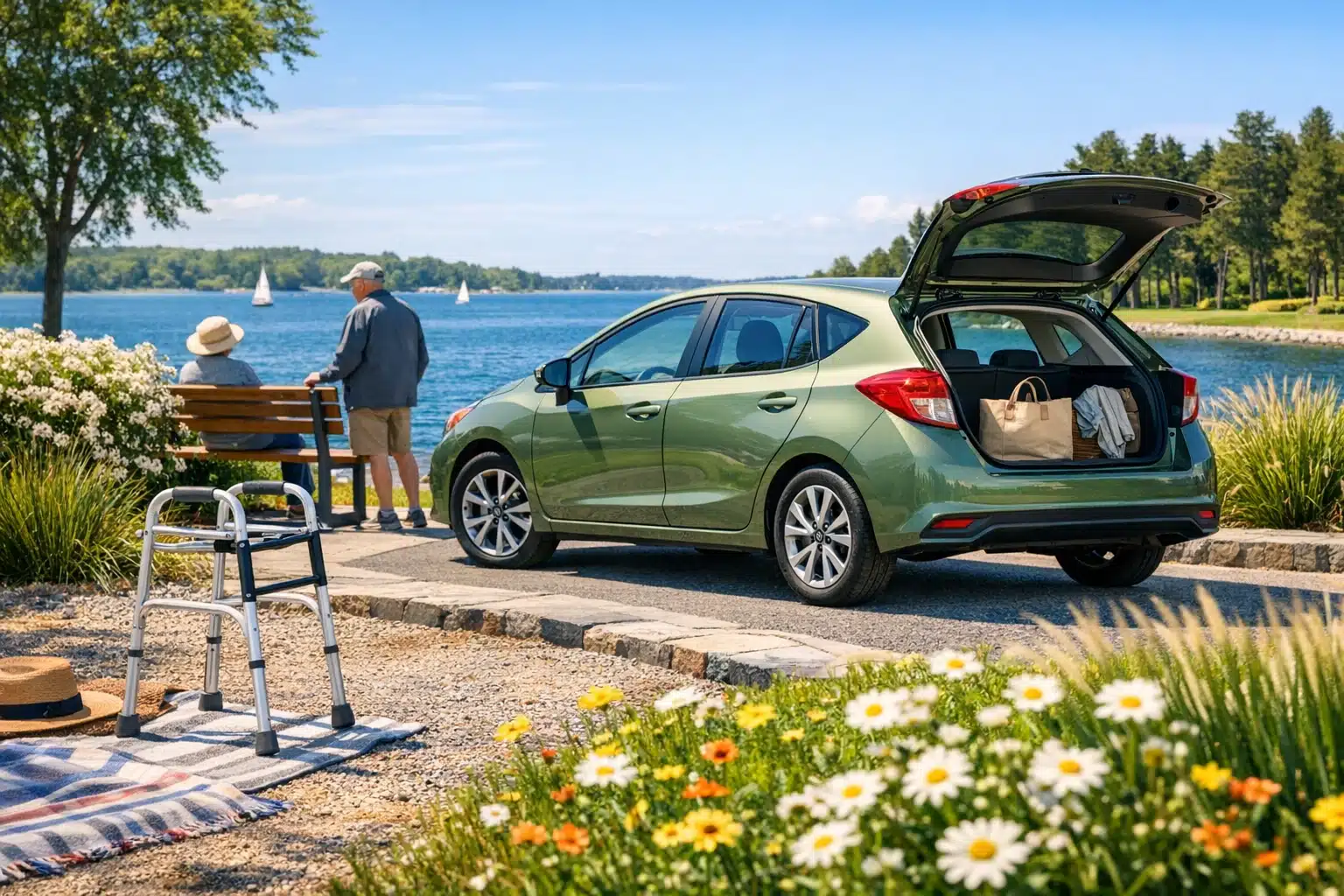
 Artificially generated image
 Goodwill Cars for Seniors: What to Know Before You Apply
Introduction and Article Outline
For many older adults, a dependable vehicle is tied to freedom, routine, and dignity in daily life. A car can mean getting to a clinic without waiting for a ride, visiting grandchildren without elaborate planning, or simply shopping on your own schedule. That is why interest in Goodwill cars for seniors continues to grow. Still, the name can be misleading, because vehicle opportunities connected to charities are rarely one-size-fits-all and often vary by city, county, or state.
This guide is organized in five practical parts so readers can move from curiosity to clarity. • First, it explains what people usually mean when they say Goodwill cars for seniors. • Second, it looks at how these programs and related nonprofit options are structured in the real world. • Third, it covers eligibility, paperwork, and application steps. • Fourth, it shows how to evaluate the car itself and the real cost of ownership. • Fifth, it closes with advice for seniors comparing this path with other transportation choices.
The topic matters because transportation is not a luxury for many retirees. It affects healthcare access, food security, social connection, and even emotional well-being. When a senior loses access to a reliable car, the result can be more than inconvenience. Missed appointments, dependence on others, and shrinking mobility often arrive quietly, like a room growing dim before anyone notices the lights fading. On the other hand, obtaining the right vehicle under the right terms can help a person remain active and independent for years.
At the same time, seniors should approach charity-related vehicle opportunities with a clear head. Not every Goodwill location handles cars in the same way. Some organizations accept donated vehicles and sell them to support broader programs. Others may work through auctions, third-party processors, or community referrals. In some areas, there may be no direct vehicle assistance for seniors at all. That does not make the search hopeless, but it does mean that careful local research matters more than assumptions based on a familiar brand name.
Another reason this subject deserves a deeper look is cost. A car that comes at a discount can still become expensive once insurance, title fees, tires, fuel, registration, and repairs enter the picture. AAA and other transportation cost studies have long shown that the purchase price tells only part of the story. Seniors on fixed incomes are often better served by a realistic, slower decision than by a rushed bargain. This article is designed to help readers sort through the promise, the paperwork, and the practical trade-offs before taking the next step.
What “Goodwill Cars for Seniors” Usually Means in Practice
When people search for Goodwill cars for seniors, they often imagine a formal national program that gives away or deeply discounts vehicles to older adults. In practice, the picture is usually more complicated. The term may refer to one of several things: a local Goodwill organization that accepts donated cars, a charity auction where used vehicles are sold, a nonprofit that helps low-income individuals with transportation, or a community agency that connects eligible seniors with resources. That distinction is important because the path to a vehicle depends on what kind of program actually exists in your area.
Some charities use vehicle donations as fundraising tools. A car is donated, sold, and the proceeds support job training, thrift operations, rehabilitation services, or community programs. In that model, the senior is not necessarily receiving the donated vehicle directly. In other cases, a nonprofit may occasionally place a usable car with a person who meets specific needs, such as inability to get to work, medical care, or caregiving duties. Seniors can qualify in some communities, but that outcome is not automatic and often depends on local priorities, funding, and available inventory.
It helps to compare the most common models. • Donation resale model: cars are donated and sold to fund services, with no direct vehicle placement. • Discount purchase model: vehicles are sold below typical market rates, but the buyer still pays fees and future operating costs. • Needs-based assistance model: a nonprofit may help an applicant receive a vehicle if hardship and eligibility are documented. • Referral model: a charity does not provide the car itself but points the applicant toward partner organizations, mobility grants, or transportation assistance offices.
These differences matter because they shape expectations. A senior who assumes a grant-style program may feel discouraged when the real opportunity is an auction listing or a low-cost sale. Yet even those options can still be useful. A lower purchase price can make sense if the vehicle has service records, a clean title, and manageable mileage. By contrast, a free or nearly free car that needs a transmission, suspension work, and four tires may become the costlier choice over the next six months.
There is also a practical issue of timing. Vehicles move in and out of charity systems unpredictably because supply depends on donations. One month may bring a modest sedan with complete maintenance records, while the next month offers only high-mileage SUVs or no vehicles at all. Seniors and caregivers should therefore treat the search as a local information project rather than a quick online transaction. Calling the local Goodwill, area agencies on aging, community action organizations, faith-based charities, and reputable vehicle assistance nonprofits often provides a clearer picture than a broad internet search. The key lesson is simple: the phrase sounds singular, but the reality is local, varied, and sometimes surprisingly indirect.
Eligibility, Paperwork, and How the Application Process Often Works
Once a senior finds a real lead, the next challenge is understanding who qualifies and what documentation will be required. Eligibility standards vary widely, but most programs that offer direct assistance are built around need rather than age alone. Being a senior may strengthen the case, especially if transportation affects medical care or daily functioning, but many organizations also review income, disability status, employment needs, caregiving responsibilities, veteran status, or whether the applicant lives in an underserved area. In other words, age opens the door to the conversation, but paperwork usually decides whether the door stays open.
Applicants should expect some combination of standard documents. • Proof of identity, such as a driver’s license or state ID. • Proof of residence, often a utility bill or lease document. • Proof of income, which may include Social Security award letters, pension statements, or tax records. • Proof of need, such as medical appointment schedules, letters from social workers, or explanations of why public transit is not realistic. • Driving-related documents, including license status, insurance history, or title transfer forms. Having these ready in a folder can turn a slow process into a manageable one.
The application path itself often follows a familiar pattern. First comes inquiry: a phone call, email, or online form to see whether vehicles are even available. Next comes screening, where staff ask basic questions about need and eligibility. If the program appears to fit, a formal application may follow. Then there may be waiting, and sometimes quite a bit of it. Because donated vehicles are limited and staff must review them carefully, a program may keep a waitlist rather than offer immediate decisions. Seniors should not interpret delay as rejection, but they should politely follow up and keep notes on dates, names, and instructions.
There are also costs and conditions that applicants sometimes overlook. A charity-assisted vehicle may still require the recipient to pay registration fees, title transfer charges, sales tax where applicable, insurance premiums, emissions testing, or minor repairs. Some organizations ask recipients to complete financial education, maintain insurance for a minimum period, or use the vehicle for specific purposes such as work, medical appointments, or family care. Those conditions are not necessarily burdensome; they are often part of responsible program design. But they should be understood in advance.
Seniors and family members should also watch for warning signs. Legitimate organizations are transparent about eligibility, fees, timelines, and the condition of the vehicle. Be cautious if someone demands large upfront payments, avoids written explanations, pressures you to decide quickly, or claims guaranteed approval. A reputable charity or nonprofit should be able to explain who it is, what it does, and how the vehicle assistance process works. In a marketplace where hope can sometimes attract opportunists, patience is a form of protection. Before signing anything, read every document, ask what happens if the car needs repairs immediately, and make sure the total commitment fits the budget as well as the need.
How to Judge the Car, the Deal, and the Real Cost of Ownership
Receiving an approval or finding a low-cost vehicle is only half the job. The next step is deciding whether the car is actually suitable for senior use. A vehicle that is technically affordable can still be a poor fit if it is difficult to enter, hard to see out of, expensive to insure, or likely to need repairs. This is where many people focus on the odometer and forget the larger picture. For an older driver, the best car is not always the newest or the cheapest. It is the one that matches comfort, safety, maintenance needs, and predictable everyday use.
Start with practicality. Seat height matters more than many shoppers expect. A very low sedan may be tiring for someone with hip or knee pain, while a very tall SUV may require an awkward climb. Door width, step-in height, visibility, dashboard simplicity, and steering effort all affect day-to-day comfort. Bring a trusted friend, relative, or caregiver to the inspection if possible. Take time getting in and out of the car more than once. What feels acceptable for thirty seconds on a test drive can feel exhausting after a week of errands.
Then move to condition and ownership risk. A used vehicle should ideally come with a vehicle history report, maintenance records, and a clear title. Even when a car is donated or sold below market value, a pre-purchase inspection by an independent mechanic is money well spent if the option exists. Ask about brakes, tires, battery age, fluid leaks, suspension wear, air conditioning, and any warning lights. • Good signs include consistent service history, matching tire wear, smooth shifting, and no major rust. • Caution signs include salvage branding, unexplained engine noise, dashboard lights that stay on, and repair estimates that exceed the vehicle’s practical value.
Seniors should also calculate the first-year budget, not just the price at pickup. Insurance can vary sharply by vehicle type and location. Registration, emissions testing, fuel economy, parking, and routine maintenance add up quietly. A bargain minivan may cost more to insure and fuel than a modest sedan, while an older luxury car may bring higher repair bills than a simple compact model. This is one area where comparison pays off: a car priced a little higher upfront but known for reliability can cost less over time than a rock-bottom option with uncertain history.
Finally, think about how the vehicle will support real life rather than imagined life. If most trips are short drives to the pharmacy, grocery store, and doctor, a simple, easy-to-drive model may outperform a larger vehicle with more features than necessary. If a walker, folding wheelchair, or oxygen equipment is involved, cargo space and access become more important. The right choice should feel less like winning a prize and more like choosing a dependable pair of shoes: not flashy, perhaps, but ready to carry you where you need to go with as little drama as possible.
Final Thoughts for Seniors: When a Goodwill Car Makes Sense and When Another Option May Be Better
For some older adults, a charity-linked vehicle opportunity can be a meaningful solution. It may lower the financial barrier to ownership, shorten the time spent depending on others, and restore the kind of independence that changes an ordinary week for the better. But the smartest conclusion is not that every senior should pursue a Goodwill-related car. The wiser conclusion is that the right answer depends on local program availability, personal mobility needs, driving ability, and the full long-term cost of keeping a vehicle on the road.
A Goodwill car or similar nonprofit opportunity makes the most sense when several conditions line up. The senior still drives safely, needs regular transportation that alternatives cannot easily cover, can afford insurance and ongoing upkeep, and has found a legitimate local program with clear terms. It can be especially helpful in suburban or rural areas where buses are limited and medical care is spread out. In those situations, a modest, reliable vehicle can function like a bridge back to normal life, reducing isolation and making routine tasks far less stressful.
Yet it is equally important to recognize when another transportation strategy may be better. • If driving has become unsafe due to vision, reaction time, or cognitive decline, a car may create more risk than freedom. • If the monthly budget is already strained, even a low-cost vehicle can trigger financial pressure through repairs and premiums. • If a senior lives near strong transit, senior shuttle services, paratransit, volunteer driver programs, or ride-share support from family, owning a car may not be necessary. In some cases, spending less on ownership and more on occasional rides leads to a calmer and cheaper routine.
Caregivers can play a major role here. They can help compare offers, review titles, schedule inspections, estimate true yearly costs, and ask the uncomfortable but essential question: will this vehicle improve life, or will it become a burden? That question deserves an honest answer. Transportation decisions for seniors are rarely just about wheels and engines. They are about autonomy, safety, and peace of mind.
In summary, seniors considering Goodwill cars should move step by step. Confirm what the local organization actually offers. Gather documents early. Read every fee and condition carefully. Inspect the vehicle thoroughly and budget beyond the purchase price. If the opportunity checks out and matches genuine needs, it may be a useful path forward. If it does not, there is no failure in choosing another route. The goal is not simply to get a car. The goal is to find the most sustainable way to stay connected, cared for, and confidently mobile.