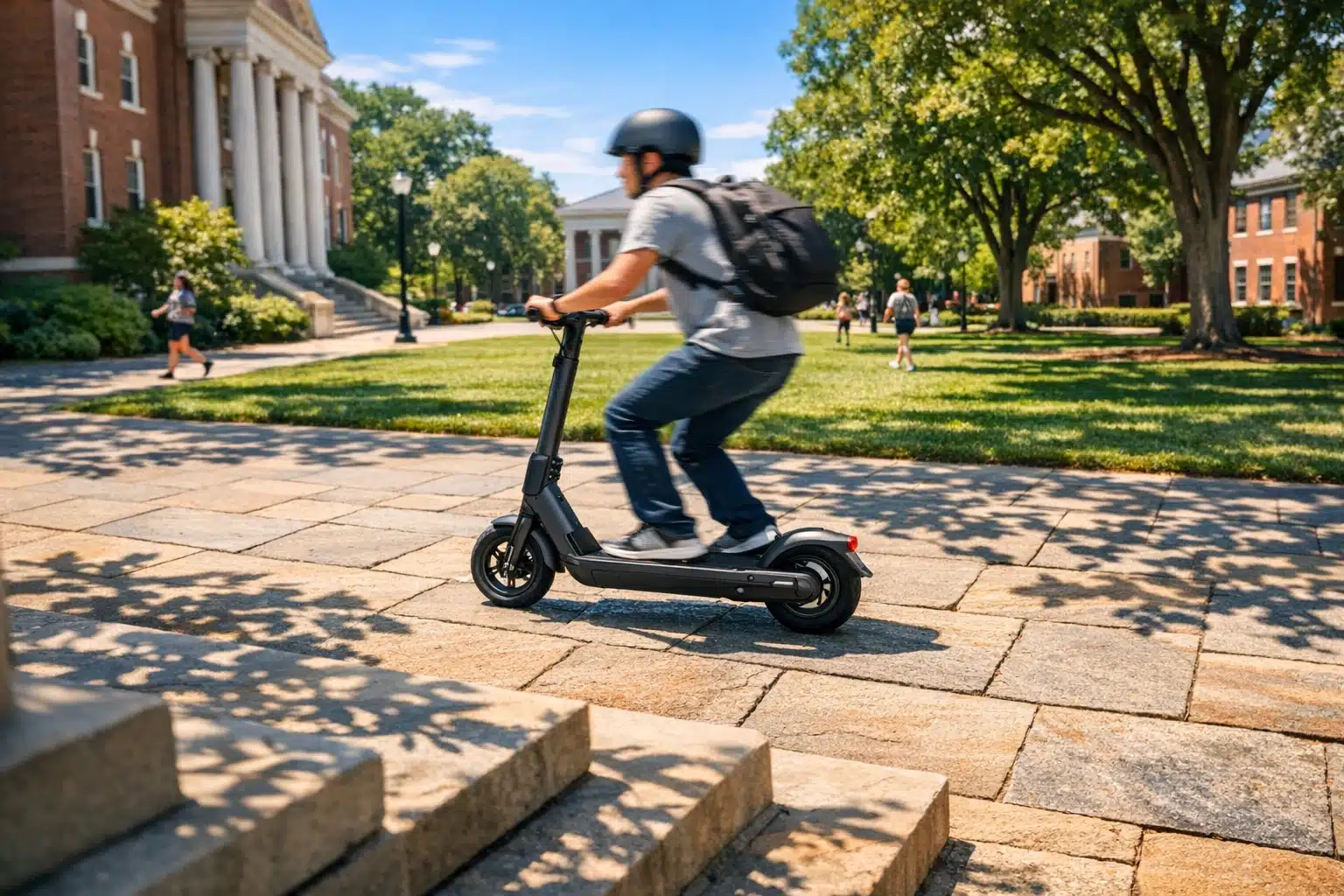
 Artificially generated image
 Walmart Segway Electric Scooter: Features, Pricing, and What to Know
Electric scooters have moved from novelty to practical transport, and that shift makes retail options worth examining with a sharper eye. When shoppers notice Segway scooters at Walmart, they are usually balancing convenience, price, and the reassurance of a familiar store against a long list of technical specs. A closer look helps separate a dependable daily ride from an impulse buy that ends up folded in the corner. That is why this guide sorts through features, pricing, model differences, and smart buying advice.
1. Article Outline and the Basics of Buying a Segway Scooter at Walmart
Before diving into specifications and price tags, it helps to understand what people usually mean when they search for a Walmart Segway electric scooter. In most cases, they are looking at Segway-Ninebot models sold either directly by Walmart or through third-party marketplace sellers on Walmart’s website. That distinction matters because availability, shipping speed, return policies, bundled accessories, and even seller reputation can differ from one listing to another. A scooter is not a carton of milk grabbed on a quick errand; it is a piece of daily-use transportation, so the context of the purchase matters almost as much as the product itself.
This article follows a practical outline so readers can move from curiosity to confident comparison without getting lost in spec-sheet jargon:
- What Walmart usually offers and why the retailer matters
- Which Segway scooter features deserve real attention
- How pricing works, including sale patterns and ownership costs
- How to choose the right model for commuting, errands, or campus use
- What to know after purchase, from setup to maintenance and long-term value
Walmart appeals to many scooter shoppers for simple reasons. It is familiar, easy to search, and often competitive on price. Some buyers also like the possibility of store pickup, easier returns, or using gift cards and retail financing options. At the same time, the Walmart marketplace can feel like a crowded aisle with many voices calling out at once. Two nearly identical listings may not actually be identical. One may be shipped and sold by Walmart, while another comes from a marketplace seller with different customer service standards. That is why reading the fine print is not just good advice; it is part of the buying process.
Segway, especially under the Segway-Ninebot name, has built a strong reputation in the electric scooter category for stable designs, app integration, sensible safety features, and commuter-friendly engineering. The brand is often associated with beginner and mid-range riders who want something more refined than an unknown bargain model but still more accessible than a high-end performance scooter. Depending on timing and inventory, Walmart may list entry-level or commuter-oriented Segway models that emphasize portability, moderate speed, and everyday practicality rather than aggressive performance.
Think of Walmart as the storefront and Segway as the design philosophy. One determines how you buy, the other shapes what you ride. When those two align well, shoppers can find a useful scooter at a reasonable price. When they do not, confusion creeps in through vague model names, incomplete specs, or listings that make every scooter sound like the same machine in a different box. The rest of this guide is designed to cut through that fog and make the comparison process much clearer.
2. Features That Matter Most in a Walmart Segway Electric Scooter
The most important lesson for first-time buyers is that electric scooter value does not live in one headline number. A listing might highlight top speed or advertised range, but real-world usefulness comes from the way several features work together. Segway scooters sold through major retailers usually aim for balanced performance, which means they often prioritize reliability, braking, and rider comfort over dramatic claims. That is good news for cautious buyers, but it also means you need to know what to compare.
Range is usually the first feature shoppers notice. Advertised range figures can look generous, yet they are commonly measured under controlled conditions with lighter riders, flatter terrain, and moderate speeds. In normal use, things such as hills, frequent stops, colder weather, tire pressure, and rider weight reduce that number. A scooter listed at 18 to 25 miles of range may deliver less in daily stop-and-go riding. That does not make the product misleading by default; it simply means advertised range is a ceiling, not a promise. For many Walmart shoppers, a realistic target is choosing a scooter with more battery capacity than the minimum trip distance requires.
Top speed also deserves context. Many entry and commuter scooters stay in the range of roughly 12 to 18 miles per hour, with some stronger models pushing higher depending on local regulations and ride mode. For short errands or campus trips, that is often enough. What matters more is how steadily the scooter reaches that speed and how it behaves while braking, turning, and riding over rough surfaces. A smooth 15 mph can feel more useful than a shaky 19 mph.
When comparing Segway models, these features usually deserve special attention:
- Battery size and realistic range for your route
- Motor power for hills and acceleration
- Tire type, such as solid or pneumatic, and how that affects comfort
- Brake setup, including electronic, drum, or disc braking
- Weight and folding design for carrying upstairs or onto transit
- Water resistance rating for light weather exposure
- App features for locking, ride data, firmware updates, and customization
Tire choice is especially important and often overlooked. Pneumatic tires usually provide better shock absorption and a calmer ride on cracked sidewalks or imperfect pavement, while solid tires reduce puncture worries but can feel harsher. Riders who commute daily often appreciate comfort more after week three than they do on day one. Brakes matter in the same quiet, practical way. A dependable brake system may never appear glamorous in a product photo, yet it becomes one of the biggest quality-of-life features every time traffic changes or a downhill segment appears.
Another strength often associated with Segway scooters is usability. Clear displays, intuitive folding mechanisms, stable decks, and app support can make ownership less frustrating. These details may sound small, but they shape the everyday experience. The best scooter is not merely the one with the boldest numbers. It is the one that fits your route, stores easily, charges predictably, and feels controlled when the pavement stops behaving like a showroom floor.
3. Walmart Pricing, Discounts, and the Real Cost of Ownership
Price is where many shoppers start, but it should never be where the evaluation ends. A Walmart Segway electric scooter can appear affordable at first glance, especially during seasonal sales, back-to-school promotions, or holiday events. Still, the number on the product page is only the front door. Behind it are questions about accessories, maintenance, shipping, seller reliability, and how long the scooter is likely to remain satisfying once the excitement of unboxing wears off.
In broad terms, electric scooter pricing tends to fall into recognizable bands. Entry-level models often sit in the lower hundreds and focus on short rides, lighter frames, and basic feature sets. Mid-range commuter scooters usually cost more because they offer stronger batteries, steadier build quality, better tires, and more mature braking systems. Premium commuter models climb higher still, often justified by larger range, better hill performance, and improved ride comfort. Segway products commonly compete in the beginner-to-mid-range zone where people want recognizable quality without stepping into enthusiast pricing.
At Walmart, the exact number can shift for several reasons:
- Whether the scooter is sold directly by Walmart or by a marketplace seller
- Temporary promotions, coupons, or clearance activity
- Included accessories such as a charger, lock, or extra safety gear
- Model age, since older generations may be discounted when newer versions appear
- Regional inventory and shipping availability
A lower price does not automatically mean better value. If a discounted model has shorter range, harsher tires, or a noticeably heavier frame, the savings may shrink fast in real use. The same applies when the cheapest listing comes from a seller with weak reviews or strict return conditions. For some buyers, paying a bit more for a clearer return window and better post-sale support is worth it. Retail convenience matters more with electric mobility products than it does with ordinary gadgets because defects, shipping damage, or battery concerns are more consequential.
Then there is the real cost of ownership. Many first-time buyers forget to budget for a helmet, lock, lights if needed, and occasional maintenance. Pneumatic tires may eventually need attention. Chargers should be stored carefully and replaced only with compatible equipment. Some riders also end up buying a storage hook, carrying strap, or weather cover. None of these expenses are dramatic on their own, but they can make a “great deal” less dazzling after the cart total settles down.
The smartest pricing question is not “What is the cheapest Segway scooter at Walmart?” but “Which option gives me the lowest frustration per mile?” That sounds playful, yet it is the most useful retail lens. A slightly higher upfront cost can buy a smoother ride, better battery confidence, and longer ownership satisfaction. In the scooter world, value is rarely about paying the least. It is about paying once and regretting less.
4. Choosing the Right Segway Scooter for Commuting, Campus, and Everyday Errands
Buying the right scooter begins with honesty about how it will actually be used. A rider traveling one mile to class on smooth paths does not need the same machine as someone mixing sidewalks, bike lanes, hills, and elevator-free apartment stairs. Segway scooters sold through Walmart often appeal to practical users rather than thrill seekers, which makes them well suited to this kind of routine-based decision. The smartest purchase is usually the one matched to your real life, not the one that wins an imaginary race on a spec chart.
For students and short-distance riders, portability can be the deciding factor. A lighter scooter with a simple folding mechanism is easier to carry into a dorm, tuck beside a desk, or bring onto public transit. In that context, range beyond the daily need becomes a bonus rather than a necessity. A compact scooter may not dominate on steep hills, but it can still be the better choice if the rider values convenience above all else. College campuses, urban apartments, and mixed transit routines often reward lighter gear.
Commuters, on the other hand, usually benefit from a more balanced model with stronger battery capacity and better ride comfort. A daily route exposes every small flaw. Stiff tires feel stiffer by Friday. Modest battery reserves feel smaller in cold weather. A narrow handlebar or twitchy braking system becomes more annoying with repetition. For riders using a scooter several times a week, a slightly sturdier Segway model can make more sense than the absolute cheapest option on the page.
Here are the questions that narrow the field quickly:
- How far is your round trip, and how much range cushion do you want?
- Will you carry the scooter upstairs or onto transit often?
- Are your roads smooth, cracked, hilly, or mixed?
- Do you need the scooter for occasional fun, regular commuting, or both?
- How important are app controls, display quality, and anti-theft features?
- What are your local laws on speed, sidewalk riding, and helmet use?
Terrain deserves special respect. Flat neighborhoods allow entry-level scooters to perform at their best, while hills can expose the limits of smaller motors quickly. Rider weight also affects acceleration and range, so shoppers should compare manufacturer guidance carefully rather than assuming all listed performance figures will apply equally. Weather plays a role too. Even if a scooter has some water resistance, that does not make it a carefree all-weather tool. Wet pavement changes braking behavior, and many riders choose to avoid rain altogether.
There is also an emotional side to the decision, and it is worth acknowledging. Some buyers want a scooter that feels like a practical appliance. Others want something that makes the morning commute a little less gray. Segway often occupies the middle ground nicely: competent enough for everyday use, polished enough to feel like a considered purchase. If you shop with your route in mind instead of chasing flashy claims, the right model usually reveals itself faster than expected.
5. What to Know After Purchase: Setup, Maintenance, and a Final Verdict for Walmart Shoppers
Once the scooter arrives, the buying journey is not over; it simply changes shape. The first few days determine whether the purchase feels seamless or clumsy. Most electric scooters require at least light setup, which may include attaching the handlebar, checking tire pressure if applicable, charging the battery fully, pairing the scooter with an app, and reviewing the manual before the first ride. It is tempting to jump straight into motion, but a careful setup routine helps catch missing parts, shipping damage, or configuration issues while the return window is still fresh.
Safety deserves a place in the ownership routine, even for short rides. A helmet is the obvious starting point, but visibility matters too. If you ride early or late, reflective gear and dependable lights can make a major difference. New riders should practice braking, turning, and standing posture in a quiet area before mixing with pedestrians or traffic. Scooters feel simple, yet they ask for a different kind of balance than a bicycle. The first ride should feel more like a rehearsal than a debut performance.
Basic maintenance is usually straightforward, and that simplicity is part of the appeal. A short checklist goes a long way:
- Keep tires properly inflated if the model uses pneumatic tires
- Inspect the folding latch and handlebars for looseness
- Watch brake response and address unusual rubbing or reduced stopping power
- Charge with the correct equipment and avoid careless cable strain
- Store the scooter in a dry place with moderate temperature conditions
- Clean dirt gently rather than blasting components with heavy water exposure
Battery care matters more over time than many new owners expect. Consistently draining the battery to extremes or leaving the scooter unused for long periods without attention can shorten convenience and confidence. Riders who use the scooter regularly tend to learn its rhythm: how much range remains after a typical trip, how weather affects performance, and when it is wiser to recharge sooner rather than later. That familiarity is part of ownership value, and it often matters more than a dramatic headline spec.
For Walmart shoppers specifically, the final verdict is practical. Buying a Segway scooter through Walmart can be a smart move if you compare seller details carefully, verify the exact model, and choose based on routine rather than impulse. Walmart offers convenience, visibility, and occasional strong pricing, while Segway usually brings a more established design language than many no-name alternatives in the same digital aisle. The combination can work very well for students, casual commuters, and everyday riders who want a trustworthy entry into electric mobility.
In short, the best Walmart Segway electric scooter is the one that matches your distance, storage situation, road conditions, and tolerance for carrying extra weight up a flight of stairs. Shoppers who read the listing closely, budget for safety gear, and think beyond the launch-day thrill are the ones most likely to end up satisfied. If that sounds like you, then this category is worth exploring with confidence and a little patience.