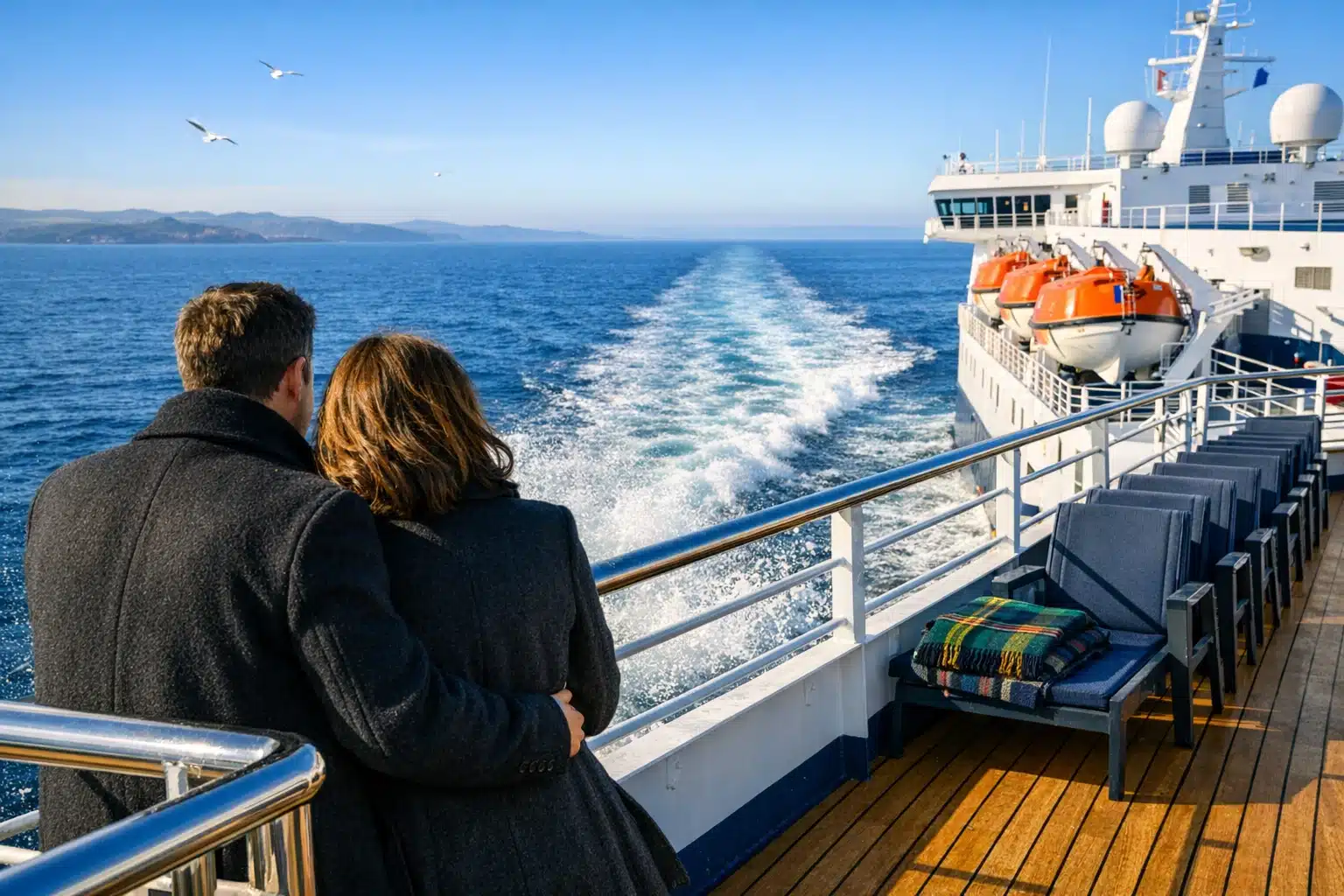
 Artificially generated image
 4-Night Mini Cruise from Edinburgh to Bruges: What to Expect
A 4-night mini cruise from Edinburgh to Bruges sits neatly between a weekend break and a full-scale holiday, offering movement, atmosphere, and a genuine change of scene without demanding weeks of planning. It appeals to couples, friends, and first-time cruise passengers who want the journey itself to feel enjoyable rather than rushed. Because the trip is short, the details matter more than people expect. This guide breaks down the route, the ship experience, the time in Bruges, and the planning choices that shape the whole escape.
Route Basics, Trip Structure, and a Simple Outline
Before getting into cabins, waffles, and canal views, it helps to understand what this trip really is. A 4-night mini cruise from Edinburgh to Bruges is usually marketed as an Edinburgh departure because that is the nearest major city, but the sailing itself commonly leaves from Rosyth in Fife. Rosyth is part of the wider Edinburgh travel area and is generally reachable in roughly 30 to 45 minutes by car, depending on where you start, traffic, and the exact terminal arrangements. That detail matters, because one of the great strengths of this holiday is convenience. You are not dealing with a long airport transfer, aggressive baggage limits, or the stop-start rhythm of budget air travel. You arrive at the port, check in, settle into your cabin, and the holiday begins with the ship itself.
The phrase mini cruise can sometimes create the wrong picture. This is not a giant floating resort with endless decks and a dozen port calls. It is usually a shorter ferry-style cruise with private cabins, restaurants, bars, lounges, and a modest entertainment offering. The appeal lies in the mix: transport, accommodation, and a taste of sea travel wrapped into one manageable package. For many people, that balance is exactly the point. You get a compact adventure without needing a long annual leave request or a complicated planning spreadsheet.
A clear outline makes the journey easier to picture:
- Travel from Edinburgh or the surrounding area to Rosyth and board the ship
- Spend the first evening and night onboard while sailing across the North Sea
- Arrive in Belgium, usually via Zeebrugge, and head onward to Bruges
- Enjoy your short stay ashore and return to the ship for the crossing back
- Disembark in Scotland after the final night onboard
That structure explains why the route remains relevant. It suits travellers who want a European break without the friction of a longer itinerary. It also works well for people curious about cruising but not ready to commit to a week or more at sea. In comparison with flying to Belgium for a single-night city break, this option is slower but often more atmospheric. You trade speed for experience. The ship glides out, the coastline fades, and suddenly the holiday feels less like logistics and more like a story already in motion. That is the real charm of the route: the crossing is not dead time, it is part of the memory.
What Life Onboard Is Really Like
One of the smartest ways to judge whether this mini cruise suits you is to set realistic expectations about the ship. The onboard experience is comfortable and enjoyable, but it is usually closer to a well-equipped overnight ferry than a mega-cruise packed with headline entertainment. That is not a drawback unless you are booking with the wrong mental picture. In fact, plenty of travellers prefer this format because it feels straightforward. There is enough to do, enough to eat, and enough atmosphere to make the crossing feel special without becoming overwhelming.
Cabins are a good example. On a short sailing, your cabin is less about luxury and more about practicality, privacy, and sleep quality. Inside cabins are often the most budget-friendly and work perfectly well if you mainly want a place to shower and rest. Outside cabins, by contrast, add natural light and a sense of connection to the sea, which many travellers feel improves the whole trip. If you are prone to feeling enclosed, the small extra cost of a sea-view cabin can be worthwhile. On such a compact holiday, little upgrades often have an outsized effect on comfort.
Dining tends to be simple rather than theatrical. You may find a buffet, a sit-down restaurant, a cafe, and one or more bars or lounges, though the exact selection varies by vessel and operator. Meals are not usually the central reason to book the trip, yet they contribute a lot to the mood. There is something quietly satisfying about having dinner while the ship pushes through the North Sea and the windows darken into mirror glass. Later, some ships offer live music, quizzes, films, or low-key evening entertainment. It is best to think of it as social and pleasant rather than high-energy.
A few practical points make a noticeable difference:
- Pack a small overnight bag so you do not have to unpack everything at once
- Bring layers, because open decks can feel brisk even outside winter
- Consider motion-sickness tablets if you are unsure about sea conditions
- Check whether meals, transfers, and upgraded cabins are included before booking
Compared with a short-haul flight, the ship offers more room to breathe. You can walk around, sit with a drink, browse duty-free shopping where available, and watch the journey unfold. The trade-off is time. Sailing is slower, and the North Sea can be lively in poor weather. If you enjoy the romance of movement and do not mind a more measured pace, onboard life becomes a major part of the holiday’s value. If you want maximum speed and minimum transit time, a flight may suit you better. That honest comparison is important, because satisfaction usually comes down to matching the trip to your temperament.
Your Time in Bruges: What You Can See, Taste, and Prioritise
Bruges is the reward at the heart of the route, and it earns that role easily. The city’s historic centre is a UNESCO World Heritage Site, known for medieval streets, stepped gables, canals, market squares, and a scale that feels intimate rather than sprawling. That matters on a mini cruise because time ashore is limited. You are not trying to conquer a vast capital. Instead, you are stepping into a place where a few hours of walking can still deliver a genuine sense of character. Bruges is compact, photogenic, and wonderfully suited to travellers who like to explore on foot.
One practical note comes first: the ship usually arrives at Zeebrugge, not directly in Bruges. Bruges lies inland, and onward travel is commonly handled by coach transfer, organised excursion, taxi, or a combination of local transport depending on the package you booked. Travel time is often in the region of 20 to 30 minutes by road, though that can vary. This is worth planning around, because your real sightseeing window begins after the port transfer and ends before the return check-in. In other words, time in Bruges feels generous only if you move with purpose.
For first-time visitors, the classic route through the city works for a reason. The Markt, with its colourful facades and central buzz, gives you an immediate sense of place. The Belfry adds height and history if you are willing to climb. Nearby, Burg Square layers civic architecture and old-world atmosphere into one compact area. The canals soften everything. Even when the streets are busy, a canal-side stretch can suddenly feel calm, as if the city has lowered its voice for a moment. Add churches, chocolate shops, beer bars, lace boutiques, and small museums, and the day begins to fill itself.
If you want a realistic short-stop plan, focus on a compact circuit such as this:
- Start at the Markt and nearby Belfry area
- Walk through Burg Square and the old centre
- Take a canal boat trip if time and weather allow
- Pause for Belgian waffles, fries, or a relaxed lunch with local beer
- Visit one major sight rather than trying to cram in several
The biggest mistake is overstuffing the day. Bruges works best when you leave a little room for drift: a side street, a bakery window, a quiet bridge, the kind of small discovery that never makes a checklist. Compared with Brussels or Amsterdam, it is easier to grasp in a short visit, but that does not mean it should be rushed. If your style is slow travel, you may wish you had more time. If your goal is a memorable taste of Belgium in a manageable format, Bruges is close to ideal. It delivers atmosphere quickly, and on a mini cruise, that is a rare strength.
Costs, Value for Money, and Planning the Trip Well
Mini cruises often look attractively priced at first glance, but the real value becomes clear only when you break down what is included and what is extra. A base fare may cover the crossing and a cabin, while meals, transfers, upgraded accommodation, drinks, or premium dining can change the final total noticeably. That does not mean the trip is expensive; it means comparison shopping needs to be honest. Against a low-cost flight to Belgium, the cruise can look slower and sometimes pricier. Against a flight plus hotel, airport transfers, checked baggage, meals in transit, and the stress cost of a tightly timed itinerary, the balance may shift.
For many travellers, the strongest value lies in simplicity. One booking can bundle transport, overnight stays, and the novelty of sea travel. That is especially appealing if you dislike airport routines or live within easy reach of Edinburgh. Fuel or rail fares to Rosyth, parking charges if you drive, and spending money in Bruges should all be added to your estimate from the start. Doing that helps you avoid the common trap of judging the trip by headline price alone. A short holiday can feel surprisingly affordable or unexpectedly costly depending on the decisions made at booking stage.
The key spending categories usually look like this:
- Base cruise fare and cabin type
- Meal packages or onboard dining upgrades
- Transport to and from the port
- Transfers or excursions in Belgium
- Drinks, snacks, and optional shopping onboard or ashore
- Travel insurance and any document-related costs
Season also affects both atmosphere and pricing. Shoulder periods can be excellent because cities are lively without always feeling overrun, while winter sailings may attract travellers who enjoy festive lighting and colder-weather city breaks. Summer brings longer daylight hours and pleasant evenings on deck, yet it can also mean higher demand and busier streets in Bruges. There is no universal best time, only the best match for your preferences. If you want quiet romance, cooler months can work beautifully. If you want maximum daylight for sightseeing, later spring and summer have obvious advantages.
Planning well means asking a few plain questions. Do you want a window cabin or is value the priority? Would you rather book transfers in advance or keep the day flexible? Are you comfortable with the chance of rougher seas? Do you want the mini cruise because it is cheap, or because the journey itself sounds fun? That final question matters most. If you book it only as transport, you may focus on what it is not. If you book it as a compact travel experience with Bruges as the highlight, the value often becomes much easier to appreciate.
Who This Mini Cruise Suits Best: Final Thoughts for Prospective Travellers
This 4-night mini cruise is not designed for every kind of traveller, and that is exactly why it works so well for the right one. If you are the sort of person who wants to cover several Belgian cities, squeeze museums into every hour, and maximise time on the ground, a flight and hotel stay may give you more freedom. The same applies if you dislike overnight travel, feel uneasy at sea, or want luxury-cruise scale facilities. A mini cruise is narrower in scope. It offers a contained route, a short stay, and a journey with a specific personality.
Where it shines is with travellers who value ease, atmosphere, and novelty. First-time cruisers often find it a low-pressure introduction to life at sea because the commitment is short and the destination is clear. Couples tend to like the built-in rhythm: dinner onboard, a morning arrival, a day in one of Europe’s prettiest small cities, and another evening crossing home. Friends can enjoy it as a social getaway that feels more distinctive than a standard weekend city break. It also suits people who want a holiday that starts close to home yet still feels international by the next morning.
If you are deciding whether to book, this quick checklist helps:
- You like the idea of the voyage being part of the holiday
- You are happy with a short taste of Bruges rather than a deep-dive itinerary
- You want fewer airport hassles and more relaxed transit time
- You prefer a manageable budget and timeframe over a long cruise commitment
- You understand that convenience and charm matter here more than nonstop activity
For that audience, the route remains highly relevant. Modern travel often rewards speed, yet not every good trip has to begin with a security queue and a gate number. There is something pleasantly old-fashioned about boarding in Scotland, watching the shore recede, and waking up with Belgium within reach. The experience will not replace a longer European holiday, nor is it trying to. Its strength lies in proportion. It gives just enough sea travel to feel distinctive, just enough Bruges to feel rewarding, and just enough structure to stay easy. If that balance sounds appealing, this mini cruise may be one of the most enjoyable short breaks you can take from the Edinburgh area.