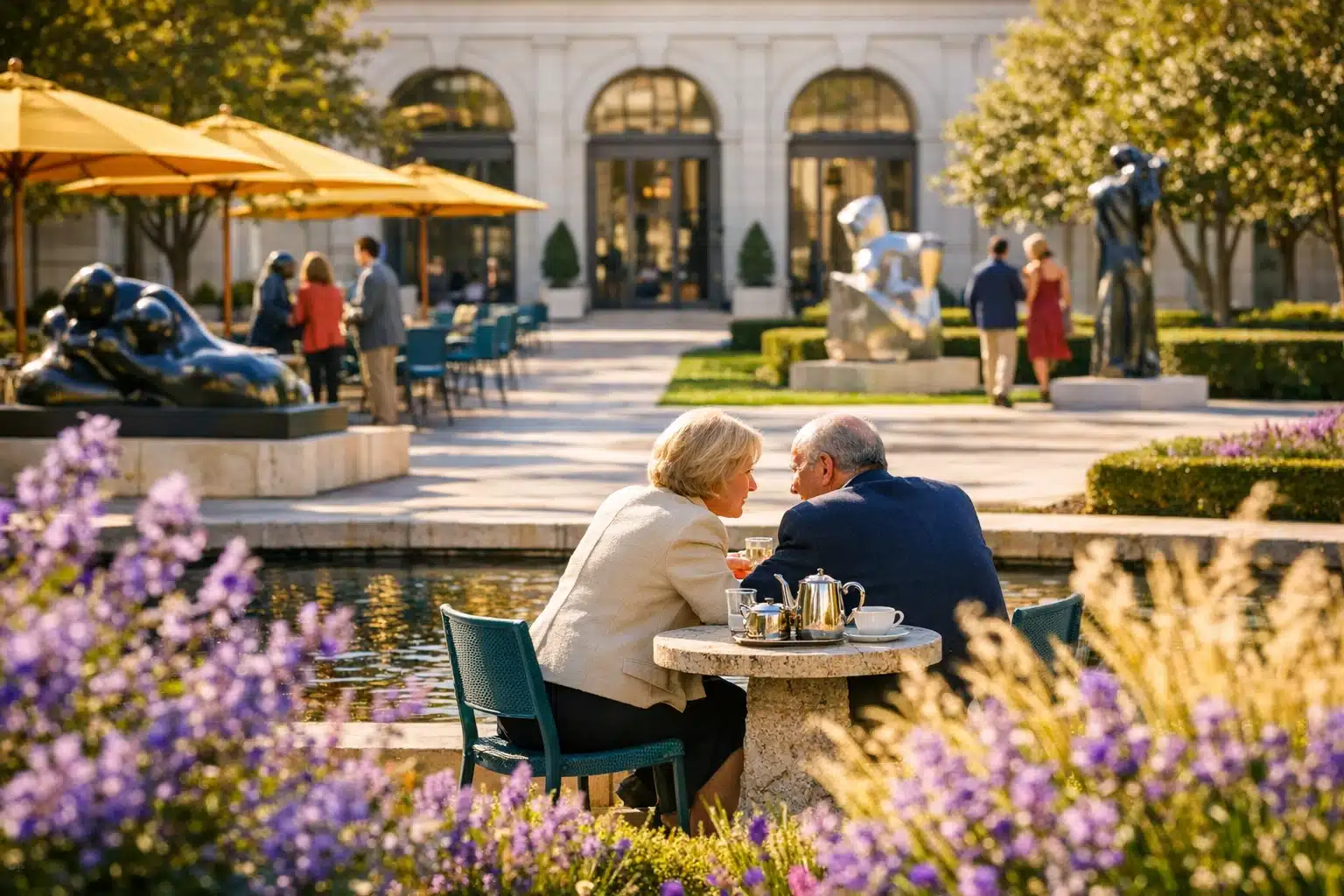
 Artificially generated image
 A Guide to Senior Speed Dating Services
Meeting someone later in life can feel exciting, hopeful, and a little strange, especially after years shaped by marriage, family routines, work, or comfortable independence. Senior speed dating services meet that moment with a format that is social, structured, and easier to navigate than endless online messaging. In one evening, people can share several short conversations, notice real chemistry, and leave with genuine possibilities instead of vague maybes. That balance of clarity and warmth explains why these events continue to attract older singles.
Outline:
1. Why senior speed dating matters today
2. How these services usually work
3. Benefits, limits, and who they suit best
4. How to compare providers, costs, and safety
5. How to prepare well and turn a match into a real connection
Why Senior Speed Dating Services Matter More Than Many People Realize
Senior speed dating services are not simply a lighter version of dating for younger adults. They answer a very specific life-stage need. Many older singles return to dating after widowhood, divorce, retirement, relocation, or years spent caring for a partner or family member. That means they are not only looking for attraction. They may also be looking for companionship, emotional steadiness, shared interests, intellectual ease, and someone whose pace of life feels compatible. In that context, a carefully organized speed dating event can offer something unusually valuable: a direct way to meet several people without the fatigue, uncertainty, or endless delays that often come with digital platforms.
In many countries, the population over 60 continues to grow, and longer life expectancy means people may spend decades in retirement. That demographic shift has changed the social landscape. Older adults are more active, more connected, and more willing to build new relationships than past stereotypes suggested. Yet plenty of mainstream dating spaces still feel designed for younger users, faster texting habits, or swipe-based decisions. Senior speed dating services step into that gap by creating age-aware environments where conversation, courtesy, and comfort matter.
The format also lowers the emotional stakes. Instead of investing weeks in messages before meeting, participants spend a few minutes talking face to face. That brief exchange often reveals more than a long profile ever could. A warm laugh, a thoughtful pause, or a shared reaction to a simple topic can say a great deal. It is a little like opening several windows in one evening and noticing which view makes you want to stay a while.
Most services also understand that older adults have practical concerns that younger audiences may ignore. Venue accessibility, parking, lighting, sound levels, scheduling, and host support can make or break the experience. Good organizers know this and design events around real comfort rather than gimmicks. Common priorities often include:
- Age bands that keep participants in a relevant range
- Accessible venues with seating, restrooms, and easy entry
- Clear instructions before and during the event
- A respectful social tone rather than loud nightlife energy
Because of that, senior speed dating is best understood as a social service with romantic potential. It can lead to dating, friendship, travel companionship, or simply renewed confidence. For many participants, the biggest win is not leaving with a perfect match. It is remembering that connection is still possible, still enjoyable, and still worth making space for.
How Senior Speed Dating Services Typically Work and How Formats Compare
At a basic level, senior speed dating follows a simple system. Participants register in advance, arrive at a scheduled venue or video session, and rotate through a series of short conversations. Most rounds last between four and eight minutes, and a typical event may include anywhere from eight to fifteen mini-dates depending on attendance. After each conversation, participants mark whether they would like to reconnect. If two people express interest, the organizer shares contact details afterward or provides a secure way to continue the conversation.
That sounds straightforward, but the details vary quite a bit from one service to another. Some companies operate polished, ticketed events in restaurants, hotel lounges, or private clubs. Others are hosted by community centers, senior groups, libraries, or faith-based organizations. There are also virtual versions, where participants meet through timed video rooms. Each model has strengths. In-person events allow body language, tone, and natural chemistry to emerge quickly. Online sessions reduce travel, widen geographic choice, and can feel less intimidating for first-timers.
Here are some of the most common formats people will encounter:
- General age-group events, such as 55 to 65 or 65 plus
- Interest-based nights built around hobbies, travel, books, or dancing
- Faith or values-oriented events for those who want stronger lifestyle alignment
- LGBTQ+ senior events designed for a more inclusive and comfortable setting
- Virtual speed dating for people with mobility limits or wider location preferences
The registration process often includes basic profile information, age confirmation, and preferences. Better services use this step to create more balanced events rather than simply selling as many tickets as possible. Some organizers cap attendance, maintain waitlists, or limit age overlaps so conversations feel relevant. Others may offer a short host introduction at the beginning, which helps nervous participants settle in and understand the timing.
Price can also reveal a lot about the service model. In many cities, standard events often cost roughly $20 to $60, while premium gatherings with meals, live music, or upscale venues can cost more. A higher price does not automatically mean better matchmaking, but it may reflect venue quality, staffing, or more careful planning. Community-sponsored events sometimes cost less and can feel more relaxed, though they may be less frequent.
The key comparison is not simply online versus offline, or cheap versus expensive. It is structure versus fit. A beautifully run event still may not suit someone who dislikes timed conversation, while a modestly priced gathering may be perfect for a person who values friendliness over polish. The best service is the one whose pace, location, age range, and social style feel natural enough that you can actually be yourself.
Benefits, Limits, and the Kind of Senior Who Often Thrives in This Setting
Senior speed dating has several practical advantages that explain its staying power. First, it is efficient. Instead of arranging one date, waiting days, and then discovering within ten minutes that the fit is weak, participants can meet several people in one evening. Second, it restores the role of live conversation. For many older adults, that matters a great deal. A person may write polished messages online and still feel flat in person, while someone with an ordinary profile might turn out to be witty, calm, and deeply appealing across a small table.
Another strength is emotional realism. Speed dating does not demand instant commitment, and it does not require a dramatic romantic narrative. It only asks for curiosity, courtesy, and attention. That makes it attractive to people who are re-entering the dating world carefully. Widowed participants, for example, may not want the intensity of one-on-one formal dates right away. Divorced adults may appreciate a setting where they can rebuild confidence without overexplaining their history. Long-single seniors may enjoy the simple fact of meeting peers who are also making an effort.
The benefits often extend beyond romance. Participants may sharpen social skills, discover what they value now, and let go of old assumptions about who might suit them. Someone who thought they wanted a partner with nearly identical habits may discover that warmth, humor, and reliability matter more than matching hobbies. Another person may realize they are not ready for dating yet, which is also useful knowledge. Sometimes the evening provides clarity rather than chemistry, and that is still a meaningful outcome.
Still, the format has limits. A four-minute conversation is revealing, but it is not magical. It cannot measure character, consistency, or long-term compatibility by itself. Noise levels can frustrate people with hearing difficulties. Timed exchanges may feel rushed to reflective personalities. Grief, especially when fresh, can make any dating environment emotionally uneven. Some people leave energized; others leave drained. Both reactions are normal.
Compared with other options, the trade-offs are clear:
- Dating apps offer more volume but often less immediacy and more screen fatigue
- Matchmakers provide higher curation but usually at a much higher price
- Social clubs feel organic but may not include many available singles
- Speed dating gives quick, live introductions but only short first impressions
The seniors who often do best in this format are not necessarily the most outgoing. They are usually the ones willing to stay present, ask simple questions, and let a conversation unfold without trying to force a result. If that sounds manageable rather than exhausting, speed dating may be a surprisingly good fit.
How to Choose a Reliable Service, Compare Costs, and Protect Your Comfort
Not every senior speed dating service is equally thoughtful, and that is where careful comparison matters. A good organizer does more than fill seats. They shape the entire experience, from the tone of the event to the quality of follow-up. Before buying a ticket, it is worth reviewing the provider’s website, event descriptions, refund policy, venue details, and past participant feedback. If those basics are vague, that is already a useful signal. Clear information usually reflects clear planning.
Venue quality is especially important for older participants. Accessibility should not be treated as a bonus. It is part of the service. Easy parking, elevator access if needed, readable signage, manageable noise, comfortable chairs, and nearby restrooms can transform the night from stressful to enjoyable. Timing matters as well. Afternoon or early evening events may suit many seniors better than late-night scheduling. The most thoughtful providers understand that convenience is not trivial; it is central to participation.
Cost should be judged in context. A lower ticket price may be perfectly reasonable if the event is held in a community room with minimal extras. A higher price may be justified if it includes refreshments, staff support, a better venue, or stricter attendance management. However, expensive does not always mean selective, and cheap does not always mean careless. Ask what the price actually covers. Useful points to compare include:
- How many conversations are typically guaranteed
- Whether the event is age-specific or broadly mixed
- What happens if attendance is uneven or the event is canceled
- How matches are shared and how quickly follow-up happens
- Whether the venue is accessible and easy to reach
Safety deserves equal attention. Senior speed dating is generally safer than meeting strangers privately because it happens in a monitored setting, but basic precautions still matter. Use a first name at the event if that feels more comfortable. Share your plans with a friend or relative. Arrange your own transportation. If you match with someone, keep the first follow-up meeting in a public place. Good services encourage these habits rather than dismissing them.
It also helps to look for signs of respectful hosting. Does the organizer communicate professionally? Are expectations explained in advance? Is the event framed around genuine social connection instead of pressure? A reliable provider tends to make participants feel informed before they arrive. That calm, transparent approach often predicts a better evening than flashy marketing ever could. In later-life dating, trust is not a luxury feature. It is part of the product.
A Practical Conclusion for Seniors Preparing to Attend Their First Event
If you are considering senior speed dating, the smartest approach is simple: prepare enough to feel steady, but not so much that the evening turns into a test. Choose clothing that feels comfortable and polished rather than costume-like. Think of a few easy conversation starters ahead of time, such as travel stories, favorite local places, books, music, volunteering, or how you like to spend an ordinary week. Short conversations work best when the goal is not to impress but to discover whether the other person feels easy to talk to.
It also helps to manage expectations honestly. A successful event does not require fireworks, instant certainty, or a stack of perfect matches. One promising conversation is enough. Even one pleasant surprise can make the night worthwhile. Some people walk in hoping for romance and leave with something more subtle but equally important: renewed confidence, a reminder that attraction is still alive, or a sense that companionship is still within reach. Those are not small gains.
During the event, stay curious. Ask open questions and listen for substance rather than performance. Notice how you feel around the person. Do you relax or tense up? Do they ask thoughtful questions back? Are they kind to the staff and attentive in conversation? Chemistry matters, but so do patience, humor, steadiness, and respect. In later-life dating, these qualities often become more valuable than dramatic first impressions.
After the event, act with calm rather than urgency. If you receive a match, send a friendly message that refers to something specific you discussed. Suggest a simple public meet-up, such as coffee, lunch, a museum, or a walk in a busy park. Keep the second meeting easy to manage. The goal is to learn more, not to force momentum. If there is no match this time, that is not a verdict on your appeal. It may simply mean the room was not the right room.
For seniors, speed dating works best when it is treated as an invitation rather than a gamble. It offers structure without excessive pressure, conversation without endless texting, and possibilities without pretending that every meeting must lead somewhere profound. If you want a practical, human way to meet new people, this service model is worth exploring. Sometimes the next chapter does not arrive with fanfare. Sometimes it begins with a name tag, a chair, a timer, and one unexpectedly lovely conversation.