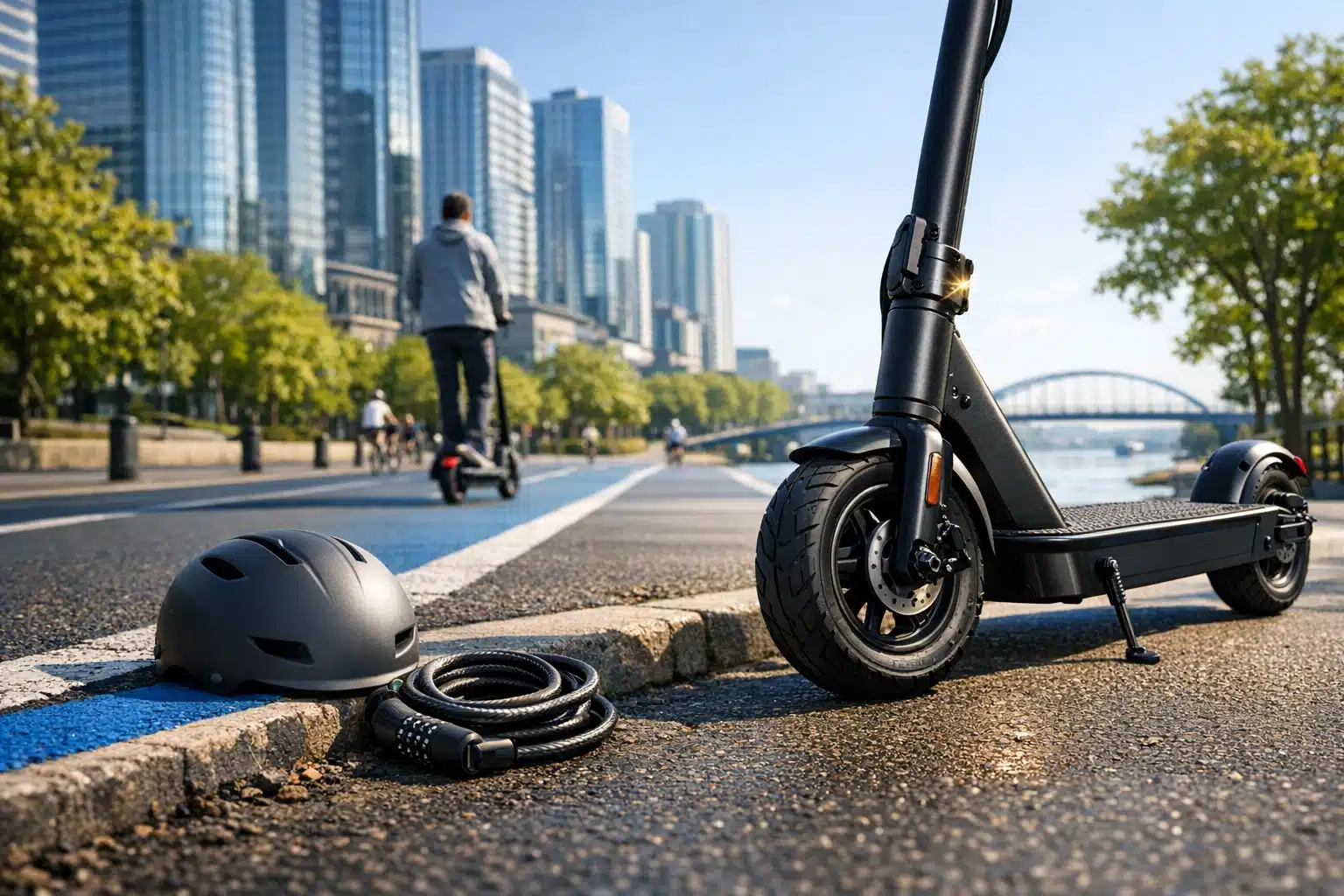
 Artificially generated image
 Walmart Segway Electric Scooter Guide
Shopping for a Segway electric scooter at Walmart can feel easy until the listings start throwing range numbers, motor wattage, tire sizes, and seller names at you all at once. This guide turns that clutter into a clear path by explaining which specs matter, which upgrades are worth paying for, and which compromises are easier to live with. You will also see how retail policies, safety details, and everyday riding habits can change the value of the scooter long after checkout.
Outline: why Walmart is a popular place to compare scooters; how Segway models differ in range, speed, comfort, and carrying weight; how to judge price versus long-term value; what safety, law, and maintenance checks matter; and which buyer profiles should lean toward entry-level, commuter, or premium options.
Why Walmart Is a Common Starting Point for Segway Scooter Buyers
For many shoppers, Walmart is less a final answer than a practical launchpad. It combines a familiar retail environment with broad online search filters, price visibility, and the convenience of comparing multiple scooter options in one place. When buyers search for Segway electric scooters, they are often looking for something that feels safer than an unknown budget brand but more accessible than a specialty store purchase. Walmart fits that middle ground well. It gives people a chance to compare prices, read user reviews, check shipping or pickup choices, and sometimes catch seasonal discounts without leaving a mainstream retail ecosystem.
That convenience matters because electric scooters are one of those products where the photo never tells the full story. A slim frame can hide a heavy battery. A big range claim can shrink on real streets with hills, wind, and stop-and-go traffic. A low price can look brilliant until you notice the scooter comes from a marketplace seller with different return terms. This is where Walmart becomes useful, but only if the shopper reads carefully. The retailer may offer products sold directly by Walmart, products shipped by the manufacturer, or items sold by third-party marketplace sellers. Those differences can affect delivery time, warranty handling, and how easy it is to resolve a damaged shipment or missing accessory.
There are a few practical reasons Walmart shoppers often start with Segway in particular. Segway, frequently listed under Segway-Ninebot branding, has built a strong reputation for cleaner design, better app support than many generic brands, and solid parts quality in its mainstream models. That does not mean every Segway scooter is ideal for every rider, but it does mean the brand usually offers a more predictable baseline than the no-name models that flood search results during discount season.
Before you buy, pause and check a few basics:
• Seller identity and return policy
• Whether the scooter is new, refurbished, or open-box
• Claimed range versus your likely real-world distance
• Maximum rider weight and the scooter’s own weight
• Tire type, brake setup, and water-resistance information
• Warranty details and whether the listing mentions safety certification
A good shopping page can feel like a polished storefront window, but the real job is happening behind the glass. Walmart makes comparison easier; it does not make decision-making automatic. Buyers who slow down and read the listing like a contract, not a poster, usually make better choices and avoid the after-purchase frustration that often follows impulse buys.
Understanding the Segway Scooter Lineup You May See at Walmart
Segway’s scooter range can look confusing at first because the names often mix letters and numbers, and the differences are not always obvious from a thumbnail image. In broad terms, Walmart shoppers usually encounter three adult categories: entry-level short-range scooters, mid-range commuter scooters, and longer-range or more comfort-focused commuter models. Stock changes over time, so exact availability varies, but examples commonly found across major retailers have included the E-series, F-series, and Max-series families. Each tier aims at a different kind of rider, and choosing the wrong tier is one of the easiest ways to overspend or end up disappointed.
Entry-level Segway scooters tend to attract first-time buyers because they cost less and often weigh less. They are usually better for short neighborhood rides, campus use, light errands, and occasional commuting. Typical traits in this category may include top speeds around the mid-teens in miles per hour, smaller battery packs, and a claimed range that often lands somewhere in the mid-teens to low twenties under ideal conditions. These models can be perfectly sensible if your round trip is short and mostly flat. The mistake comes when shoppers expect them to handle steep hills, rough pavement, and long daily mileage with the calm confidence of a higher-end commuter scooter.
Mid-range commuter models are often the sweet spot for value. They usually offer larger batteries, better stability, stronger motors, and improved braking compared with entry-level designs. You may also see features such as 10-inch tires, wider decks, or better folding hardware. That matters because comfort is not a luxury on a scooter; it is part of safety. A scooter that feels twitchy on cracked pavement can wear out a rider mentally long before the battery runs low. The spec sheet whispers promises, but the sidewalk tells the truth.
Longer-range models, especially those related to the Max line, are built for riders who care more about daily reliability than about shaving a few pounds off the carry weight. These scooters are often heavier, but the trade-off can include better range, more secure handling, and stronger all-around commuter performance. Claimed ranges in this class may stretch well beyond 25 miles, though real-world outcomes are often lower once rider weight, cold weather, hills, frequent braking, and faster riding are factored in.
When comparing models, focus on the practical differences:
• Motor output affects acceleration and hill performance more than it affects bragging rights
• Battery size matters for real range and for reducing range anxiety over time
• Tire size and tire type influence comfort, grip, and maintenance needs
• Brake design matters for control, especially in wet or uneven conditions
• Scooter weight determines whether carrying it upstairs becomes tolerable or miserable
Also note that Walmart listings may occasionally include youth scooters alongside adult scooters. Those are not interchangeable. A scooter designed for a child or lighter recreational use should not be treated as a bargain commuter tool for an adult rider. The smartest way to read the lineup is to start with your route, then match the model to the job, not the other way around.
Price, Value, and the Real Cost Beyond the Cart
A Walmart price tag can make a Segway scooter look straightforward: spend less, save more. In reality, value in this category depends on far more than the sticker price. Two scooters can sit within a modest price gap, yet differ sharply in ride quality, long-term satisfaction, and hidden costs. A low-cost model may still be the better buy if your trips are short and infrequent. On the other hand, spending more up front can save money if it prevents battery frustration, frequent repairs, or the need to upgrade after a few months. In scooter shopping, cheap and affordable are cousins, not twins.
Start by thinking in tiers rather than isolated numbers. In the lower price range, you are generally paying for basic transportation with fewer comfort features and less range margin. In the middle range, you often gain a meaningful jump in ride stability, battery capacity, and durability. In the higher range, you are usually paying for extended range, stronger commuter readiness, and a more polished daily-use experience. That does not mean every expensive scooter is worth it, but it does mean price differences often reflect real hardware changes rather than branding alone.
Then add the overlooked expenses. The scooter itself is only part of the purchase. Many first-time buyers forget to price in the tools and accessories that make ownership safer and more practical:
• A properly fitted helmet
• A strong lock or two-lock setup
• Tire sealant or a pump if the tire system requires attention
• Front and rear visibility lights if the included lighting is limited
• A storage solution for apartment dwellers or office commuters
• Possible shipping charges, taxes, and replacement parts later on
Battery reality also matters. Claimed range numbers are usually measured in favorable conditions: lighter rider, moderate speed, level terrain, and mild weather. Real-world range can fall noticeably below the advertised figure. If a scooter claims 20 to 25 miles, a heavier rider dealing with hills, cold temperatures, and repeated stops may see much less. That does not make the listing dishonest by default; it means shoppers should buy range with a margin. If your daily travel needs 10 miles, a scooter advertised for only 12 or 15 miles may leave too little buffer for aging batteries, detours, or bad weather.
One useful way to judge value is to ask five questions. Will this scooter handle my route without daily battery anxiety? Will I be comfortable riding it for the full trip? Can I carry or store it where I live and work? Are replacement parts and service realistic for me? Am I paying for features I will actually use? If the answers line up, the scooter is probably worth serious consideration.
Walmart can help value shoppers because price comparisons are easy and reviews are visible, but a careful buyer still has to do the math beyond checkout. The best value is not the lowest number on the page. It is the scooter that does its job with the fewest unpleasant surprises.
Safety, Local Rules, and Maintenance Before Your First Ride
Electric scooters feel simple because they are compact, quiet, and approachable. That can be deceptive. Even modest Segway scooters can reach speeds fast enough to make potholes, slick paint lines, and abrupt braking very serious problems. Before you focus on speed or range, it is worth treating safety as part of the product itself. A scooter is not just a gadget; it is a standing vehicle with very small wheels and very little forgiveness.
The first layer of safety is legal awareness. Rules for electric scooters vary by city, state, and country. Some places allow them in bike lanes, some restrict sidewalk use, and some cap top speeds or minimum rider ages. Helmet rules also vary, but even where helmets are not legally required, wearing one is the sensible choice. If you plan to commute, add gloves, visible clothing, and lights that make you easier to see in low light. Urban riding is less about looking sleek and more about avoiding becoming invisible.
Next comes hardware safety. When reading a Walmart listing, look for details on braking, tire size, and water resistance. Dual braking systems or a combination of electronic and mechanical braking can offer more control than very basic setups. Larger tires, especially around 10 inches, usually improve stability over cracks and rough pavement compared with smaller tires. If the listing mentions a safety certification such as UL 2272 for the electrical system, that is worth noting, though shoppers should still verify current details on the product page or manufacturer resources. Water resistance is another area where marketing can be misunderstood. Water-resistant does not mean waterproof, and riding through heavy rain or deep puddles is a fast way to increase wear and risk.
Maintenance is where ownership becomes real. A reliable scooter still needs attention:
• Check tire pressure if the model uses pneumatic tires
• Inspect the brakes regularly for feel and responsiveness
• Tighten loose fasteners after the break-in period
• Keep the charging port clean and covered
• Store the scooter indoors when possible
• Avoid fully draining the battery for long periods
• Charge with the correct charger and let the battery cool if it is hot after riding
Battery care deserves special emphasis. Lithium-ion batteries last longer when treated gently. Extremely hot cars, freezing storage, and long stretches at either zero or one hundred percent charge can accelerate wear. For riders who use the scooter weekly rather than daily, partial storage charge is usually healthier than leaving it empty for months. Theft prevention matters too. A folding scooter is portable for you, but also portable for someone else. If you cannot bring it indoors, budget for a serious lock and choose parking spots with visibility.
Think of safety and maintenance as the quiet half of the purchase. They are not flashy, but they determine whether the scooter stays useful, legal, and enjoyable after the honeymoon week ends.
Conclusion: Which Walmart Segway Scooter Makes Sense for Your Routine?
The right Walmart Segway scooter depends less on what looks exciting online and more on what your week actually looks like. A student crossing campus and running short errands does not need the same machine as an office commuter covering several miles each way over rough pavement. A parent shopping for a reliable adult scooter will judge value differently from a rider who wants a fun weekend option for neighborhood cruising. The strongest conclusion is also the least glamorous: there is no universally best Segway scooter, only a better match for your route, storage situation, and budget tolerance.
If you are a first-time buyer, the safest move is usually to start with realism. Measure your trip distance, include hills, think about how often you will carry the scooter, and decide whether your rides are daily transportation or occasional recreation. If your use is light, an entry-level Segway model from Walmart may be enough and may keep the purchase comfortably within budget. If you plan to ride often, need better stability, or want more cushion against battery drop-off over time, a mid-range or longer-range commuter model is often the smarter purchase even if it costs more at checkout.
Different buyers can narrow the field quickly:
• Casual riders should prioritize simplicity, moderate weight, and easy storage
• Students should focus on portability, locking options, and enough range for two-way travel
• Daily commuters should favor larger batteries, stronger braking, and more stable tires
• Apartment dwellers should pay close attention to scooter weight and folded size
• Value-focused shoppers should compare total cost, not just the headline price
Walmart remains useful because it brings visibility to pricing, reviews, and seller choices in one place. That said, the smartest buyer still reads beyond the bold headline and checks who is selling the scooter, how returns work, what warranty support looks like, and whether the specs fit real conditions rather than ideal ones. A practical scooter purchase feels a bit like buying shoes for a long trip: style matters, but comfort, fit, and durability decide whether you are happy halfway through the journey.
For the target audience here, namely shoppers trying to choose a Segway scooter from Walmart without wasting money or buying the wrong class of product, the best strategy is simple. Choose the scooter that can comfortably do your normal ride, not the one that barely manages it on paper. Leave room in your budget for safety gear and secure storage. If you shop with that mindset, Walmart becomes more than a place to click buy; it becomes a useful comparison tool for finding a scooter that works in everyday life.