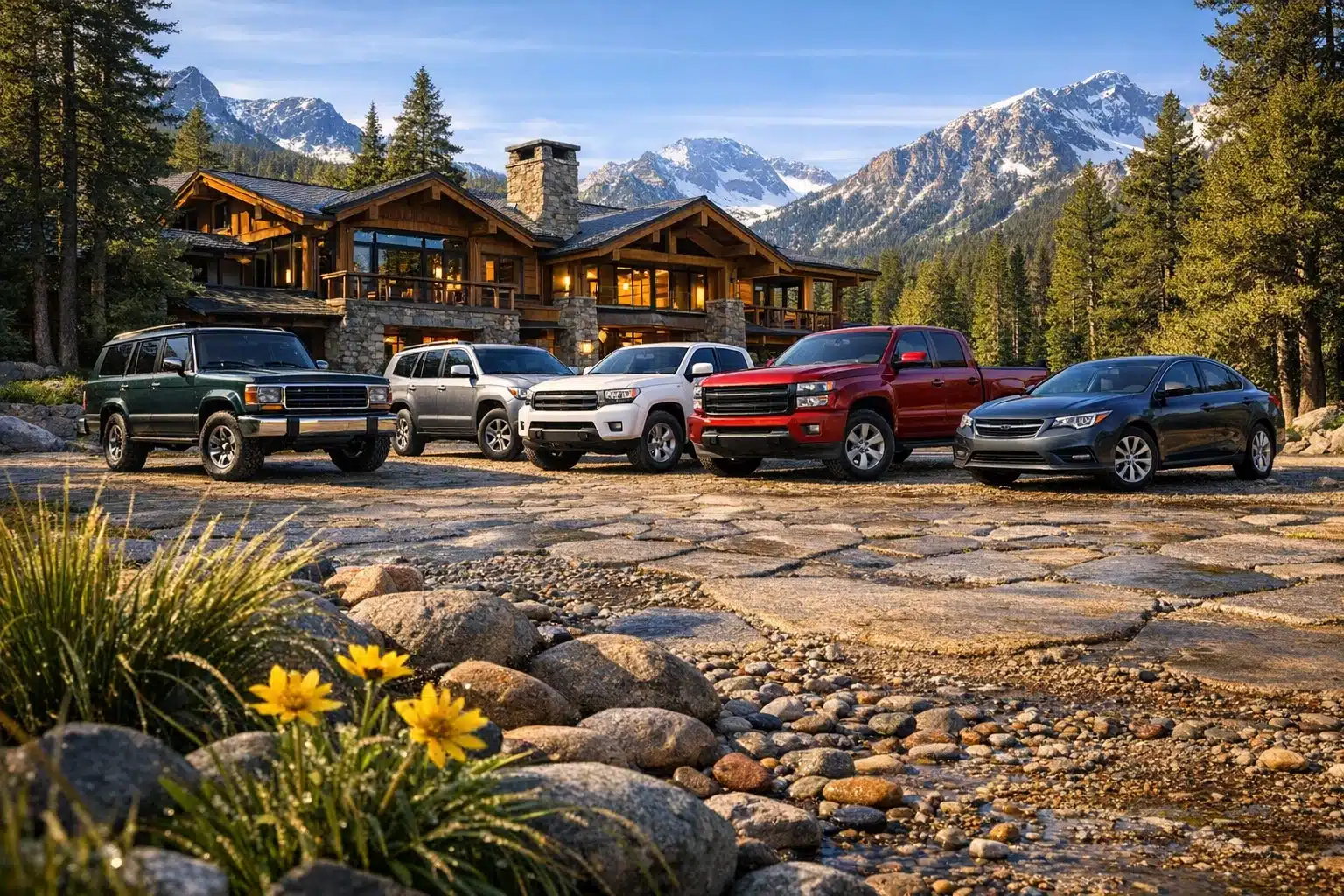
5 Toyota Models Mechanics Say You Should Never Sell
Some cars are easy to replace, but a handful of Toyotas earn a different kind of loyalty because they keep starting, keep working, and keep making financial sense long after most vehicles begin asking for mercy. That is why many mechanics pause when owners talk about trading one in. When a model pairs durable engineering with sane upkeep and strong resale value, selling it can feel less like an upgrade and more like handing away a trusted tool. This guide breaks down five Toyota models that regularly spark that reaction.
Article Outline
- The Toyota Land Cruiser and why its global reputation is more than folklore
- The Toyota 4Runner as one of the last old-school SUVs still standing tall
- The Toyota Tacoma and the kind of resale strength that frustrates used-truck shoppers
- The Toyota Tundra as a full-size pickup that wins respect through simplicity and stamina
- The Toyota Corolla as the quiet hero of low-cost, long-distance ownership
Of course, “never sell” is not a literal rule. Condition, rust, accident history, maintenance habits, and your budget always matter. Still, if you own one of these Toyotas in solid shape, many technicians would tell you to think very carefully before replacing it with something newer, pricier, and not necessarily better.
Toyota Land Cruiser: The Long-Haul Legend That Is Expensive to Replace
If one Toyota model most often triggers a mechanic’s “are you sure?” response, it is the Land Cruiser. This SUV has spent decades building a reputation that goes far beyond brand loyalty. Around the world, Land Cruisers have been used in remote areas where vehicle failure is not a minor inconvenience but a serious problem. That history shaped the vehicle’s design philosophy: durability first, complexity second, and comfort only after the hard stuff is handled.
Owners of older 100 Series and 200 Series Land Cruisers often discover the same thing at the same time: selling one is easier than replacing one. Modern luxury SUVs may offer more screens, more driver aids, and flashier interiors, but very few combine body-on-frame construction, serious four-wheel-drive hardware, strong towing ability, and long-term reliability in the same package. Studies from iSeeCars have repeatedly placed the Land Cruiser among the vehicles most likely to reach 200,000 miles, which lines up with what many independent repair shops report in real life.
Mechanics usually like the Land Cruiser for a simple reason: most of its major systems are built with a margin of strength. That does not mean ownership is cheap. It means the truck often rewards proper maintenance rather than punishing age alone.
- Strong engines with long service lives when maintained on schedule
- Robust drivetrains designed for heavy use and rough conditions
- Excellent parts support and a deep knowledge base among specialists
- Remarkably strong resale value, even with higher mileage
There are caveats. Older examples can suffer from rust, suspension wear, aging rubber components, and costly features like hydraulic suspension systems on certain trims. Timing belt service on some V8 generations is not optional if you want to protect the engine. Fuel economy is also nothing to brag about. Yet the math still works in the Land Cruiser’s favor more often than people expect. Replacing a paid-off, sorted Land Cruiser with a newer premium SUV can mean taking on a large monthly payment for a vehicle that may be less durable over time.
The bigger truth is emotional as much as mechanical. A good Land Cruiser feels like something built for years, not seasons. Mechanics know that once an owner lets one go, the next vehicle often looks newer but feels less substantial. That is why so many of them say the same thing with a shrug and a smile: if your Land Cruiser is healthy, hold on to it.
Toyota 4Runner: Old-School Engineering in a Market Full of Crossovers
The Toyota 4Runner survives in a market that has largely moved on from its kind. While many midsize SUVs have become softer, lower, and more road-focused, the 4Runner stayed stubbornly true to a traditional formula: body-on-frame construction, available low-range four-wheel drive, a naturally aspirated V6, and a reputation for handling abuse with less drama than many competitors. To some buyers that sounds outdated. To many mechanics, it sounds reassuring.
One reason technicians hesitate to recommend selling a good 4Runner is that its replacement may not actually be an upgrade in the ways that matter most over ten or fifteen years. Late-model 4Runners, especially the long-running fifth generation, rely on the 4.0-liter 1GR-FE V6 and a conventional automatic transmission rather than smaller turbo engines and CVTs that dominate much of the crossover market. That older-school setup is not the class leader in fuel economy, but it has been widely respected for durability when owners keep up with fluids, cooling-system care, and routine wear items.
In ownership terms, the 4Runner also holds value unusually well. Used prices regularly stay strong because buyers know what they are getting: a vehicle that can commute all week, haul gear on the weekend, and handle trails or winter weather without pretending to be something it is not. That blend is harder to replace than the window sticker of a trade-in might suggest.
- Proven naturally aspirated V6 in many high-demand model years
- Traditional SUV architecture with real off-road credibility
- Excellent resale compared with many mainstream midsize utilities
- A large owner community and broad aftermarket support
It is not a perfect machine. Rust can be a deal-breaker in salty climates, and neglected suspension components will eventually remind owners that no truck is immortal. Some trims with X-REAS suspension can cost more to sort out, and fuel consumption is only average at best. But from a mechanic’s perspective, those drawbacks are easier to understand than the hidden long-term costs of more complex alternatives. A crossover may drive more softly and sip less fuel, yet that advantage can fade when expensive driveline issues or weak resale enter the conversation.
The 4Runner is the kind of vehicle that makes sense slowly. It may not wow you in a five-minute test drive, but it often wins the twenty-year argument. That is exactly why so many owners regret parting with one once the dependable, square-shouldered workhorse is gone from the driveway.
Toyota Tacoma: The Midsize Truck Owners Miss as Soon as It Leaves
The Toyota Tacoma has one of the strongest reputations in the used-truck world, and that reputation did not appear by accident. Over multiple generations, the Tacoma built its name on durable mechanicals, manageable ownership costs, and a resale curve so stubborn that buyers often joke a used Tacoma is priced like it already knows it will outlive the loan. Mechanics see that firsthand. They watch these trucks arrive with high mileage, dirty beds, worn seat bolsters, and drivetrains that still have plenty left to give.
Second-generation Tacomas with the 4.0-liter V6 or 2.7-liter four-cylinder are especially respected, though many later trucks also hold up well when maintained properly. The appeal is bigger than engine reliability alone. Tacomas are simple enough to service compared with many newer trucks, practical enough for daily use, and tough enough for work, recreation, or both. That combination is rare. A lot of vehicles can do one or two of those jobs well. Tacoma owners tend to discover theirs does all three with minimal complaint.
Resale value is a huge part of the “never sell” argument. If you already own a Tacoma that is paid off and in sound condition, replacing it with another midsize truck often means spending much more money for only a modest gain in real-world usefulness. Newer rivals may offer better ride quality, fancier cabins, or stronger towing numbers, but long-term confidence still tilts heavily in Tacoma territory for many buyers.
- Strong demand in the used market keeps values high
- Proven engines and transmissions in many sought-after years
- Excellent versatility for commuting, hauling, and outdoor use
- Huge parts availability and an enormous enthusiast network
There are important cautions. Early frame rust issues on certain years are well known, and any prospective keeper should be inspected carefully underneath. Suspension wear, worn leaf springs, and age-related leaks can appear, especially on hard-used trucks. The third generation also has its critics, particularly regarding transmission behavior and power delivery feel. Even so, a healthy Tacoma usually remains a better long-term asset than many owners expect.
The creative little twist with the Tacoma is this: it often looks ordinary until you try to replace it. Then the market teaches you a quick lesson. Competitors cost more than expected, used prices sting, and the truck you sold suddenly seems smarter in hindsight. That is why mechanics so often advise keeping a solid Tacoma if you do not have a truly compelling reason to let it go.
Toyota Tundra: The Full-Size Pickup That Wins Through Simplicity and Stamina
The Toyota Tundra has never chased every trend in the full-size truck market, and that restraint is part of why mechanics respect it. Especially in first- and second-generation form, the Tundra earned loyalty by leaning into proven V8 power, straightforward engineering, and a lower appetite for mechanical drama than some rivals. It was not always the truck with the flashiest towing figure, the fanciest cabin, or the most efficient fuel economy. It was often the truck that simply kept doing truck things without turning ownership into an ongoing negotiation.
Models equipped with the 4.7-liter or 5.7-liter V8 are particularly well regarded. The 5.7-liter, in particular, became known for strong performance and impressive longevity when serviced consistently. Research from outlets such as iSeeCars has frequently ranked the Tundra among the vehicles most likely to exceed 200,000 miles, a result that supports its reputation in independent shops and among long-term owners. If a mechanic sees a maintained Tundra with high mileage, the reaction is often calm rather than alarmed.
Why does that matter when deciding whether to sell? Because replacing a dependable full-size pickup is expensive. Today’s truck market is loaded with advanced electronics, turbocharged engines, cylinder deactivation systems, and ever-rising sticker prices. Those technologies can bring real benefits, but they can also raise long-term repair complexity. A paid-off Tundra with a healthy drivetrain can be a remarkably valuable thing to keep, especially for owners who need genuine truck capability rather than image alone.
- Durable V8 engines with broad real-world support from owners and shops
- Strong long-term reliability compared with many complex modern alternatives
- Excellent utility for towing, hauling, and heavy daily use
- High replacement cost makes a sorted example even more valuable
The trade-offs are clear. Tundras are thirsty, large, and not always refined over rough pavement. Some years can bring issues such as secondary air injection faults, aging exhaust components, or the usual suspension and brake wear that comes with truck duty. Rust also matters, especially in harsh climates. Still, many of those issues are easier to budget for than the total cost of stepping into a newer truck with a far bigger monthly payment.
The Tundra’s charm is not glamorous. It is the confidence of turning the key and knowing the truck understands the assignment. For owners who already have one in good shape, that kind of trust is hard to price and even harder to replace.
Toyota Corolla: The Quiet Keeper That Makes New-Car Payments Look Unnecessary
The Corolla rarely enters a conversation with fireworks. Nobody buys one to dominate a parking-lot discussion or make strangers stare at fuel pumps in disbelief. Yet mechanics often speak about the Corolla with a kind of calm respect usually reserved for tools that never fail when the job matters. That is exactly why it belongs on a list like this. If your goal is low-cost, low-drama transportation over a very long time, few nameplates have built a stronger record.
Part of the Corolla’s appeal is scale. Toyota has sold millions of them across generations, which means parts availability is excellent, repair knowledge is widespread, and independent shops know the platform inside and out. Many model years feature simple four-cylinder engines and transmissions that, while not exciting, have proven capable of long service lives when owners stay on top of oil changes, cooling-system care, brake service, and fluid maintenance. Insurance costs are often moderate, tires are usually affordable, and everyday operating expenses remain lower than what many SUVs and trucks demand.
That makes the Corolla especially hard to replace rationally. Selling a paid-off, well-maintained Corolla for a newer car can introduce depreciation, higher registration costs, and a fresh set of unknowns without giving you dramatically better transportation. A newer compact may offer more power, a larger screen, or extra driver aids, but if the old Corolla is starting every morning and asking for little beyond routine service, the practical case for keeping it is very strong.
- Broad reputation for reliability across many generations
- Low operating costs, from fuel to tires to routine maintenance
- Easy serviceability and strong availability of parts
- Excellent fit for commuters, students, and budget-focused households
That does not mean every Corolla year is flawless. Some years have known concerns, including oil consumption issues in specific engines or the need to pay closer attention to CVT fluid service on newer examples. Neglect can ruin even the most durable economy car. Rust, crash damage, and skipped maintenance still matter. But a healthy Corolla often represents one of the smartest ownership positions in the entire used-car market.
There is a reason the Corolla has become the automotive version of a dependable kitchen knife: it may not be flashy, but once you have one that works, you wonder why you would replace it. Mechanics understand that instinct. When transportation needs are simple and money matters, keeping a good Corolla can be the smartest move in the driveway.
Conclusion: Which Owners Should Think Twice Before Selling?
If you own a Land Cruiser, 4Runner, Tacoma, Tundra, or Corolla in good condition, the real question is not whether something newer exists. Of course it does. The better question is whether the replacement will truly serve you better once purchase price, depreciation, insurance, repair complexity, and resale are all counted honestly. That is where these five Toyotas keep winning.
For practical owners, long-term commuters, families watching budgets, and drivers who prefer proven machines over constant novelty, these models often make unusually strong keepers. Before selling, look closely at the basics:
- Does the vehicle have a solid maintenance history?
- Is rust under control and structural condition still sound?
- Are upcoming repairs cheaper than taking on a newer payment?
- Would a replacement actually improve reliability, or just add features?
Mechanics tend to like vehicles that tell the truth. These Toyotas usually do. If yours is healthy and still fits your life, hanging on to it may be the most sensible automotive decision you make this year.