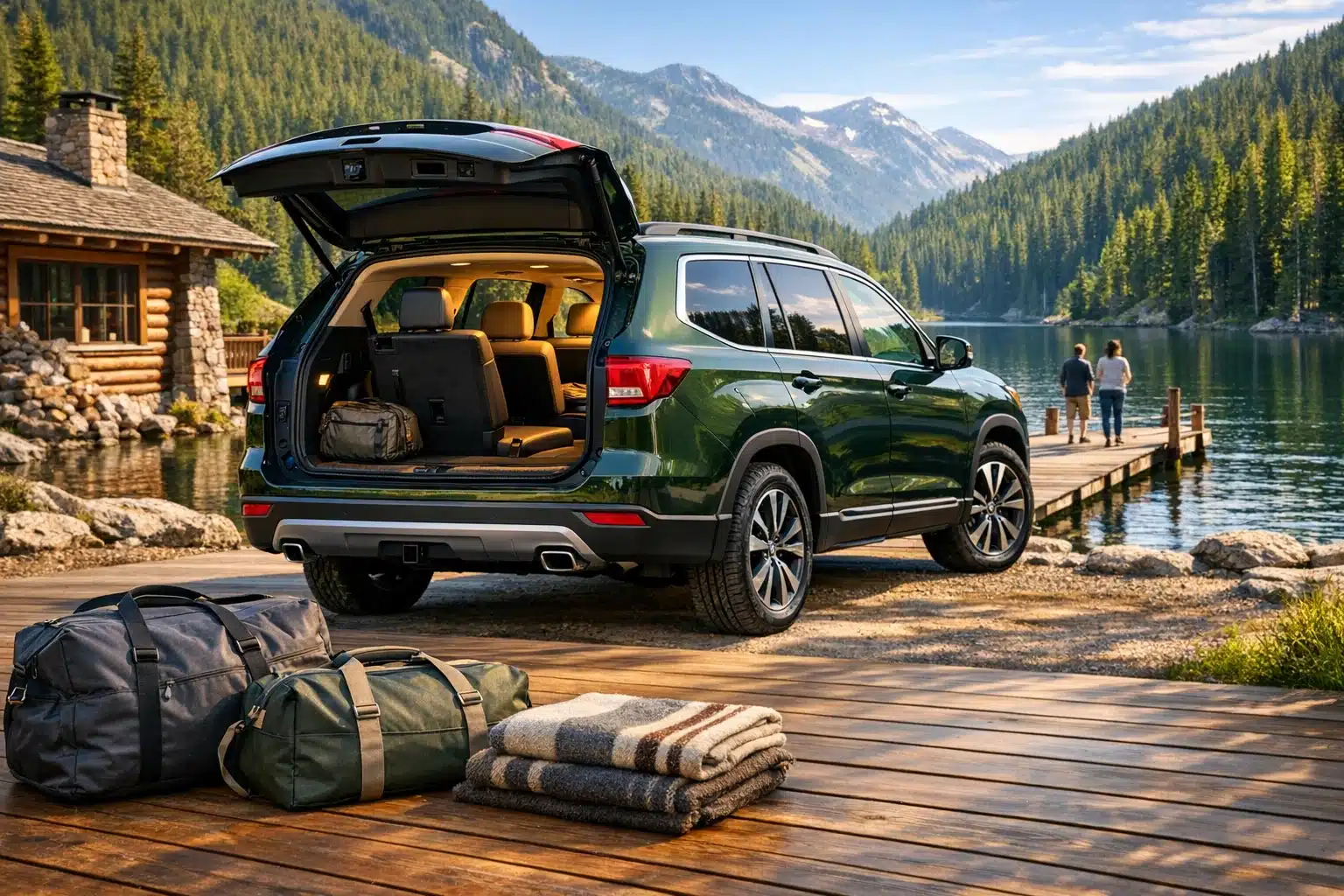
 Artificially generated image
 2027 GMC Acadia Gets New Colors and a Fully Redesigned Interior
The midsize three-row SUV market has become a design arms race, and cabin quality now matters almost as much as towing, space, and safety tech. That is why the 2027 GMC Acadia deserves attention: fresh exterior colors and a thoroughly reworked interior point to a model that may feel more premium, more useful, and more competitive. For families, upgraders, and shoppers cross-shopping the segment, these changes could influence comfort, resale appeal, and day-to-day satisfaction.
Outline: This article examines why the Acadia update matters in today’s SUV market, how new color choices can change perception and ownership appeal, what a fully redesigned interior should improve, which practical and technology details buyers should study closely, and how the model may compare with major rivals before purchase time.
Why This Update Matters in Today’s Three-Row SUV Market
The GMC Acadia sits in one of the busiest parts of the auto industry. Three-row crossovers are expected to do almost everything: carry children, handle long highway miles, swallow sports gear, tow a trailer now and then, and still look respectable outside a hotel, office, or school pickup lane. In that environment, a color refresh and a cabin redesign are not small details tucked away in a brochure. They are part of how an SUV wins attention, justifies price, and stays fresh against newer rivals. When buyers walk around a vehicle on a dealer lot, the paint is the first conversation starter. Once they open the door, the interior decides whether the conversation continues.
That matters even more for the Acadia because GMC has spent years positioning it as a more polished alternative within the broader General Motors family. It is not meant to be a bare-bones people mover. It is meant to feel sturdier, richer, and a little more grown up. The current Acadia already moved in that direction with a larger footprint, a more commanding stance, and a more upscale presentation than older versions. If the 2027 model receives new colors and a fully redesigned cabin, the message is clear: GMC wants the Acadia to stay visible in a segment where buyers increasingly expect near-luxury touches without paying luxury-brand money.
There is also a timing angle. In recent years, rivals such as the Kia Telluride, Hyundai Palisade, Honda Pilot, Toyota Grand Highlander, Ford Explorer, and Chevrolet Traverse have pushed the category forward in different ways. Some emphasize practicality, some technology, and some design flair. The Acadia therefore cannot rely on size alone. It has to create emotional appeal as well as rational value. That is where color and interior design step in. A modern palette can make the SUV feel new before any feature list is read, while a smarter cabin layout changes the experience every single day.
For shoppers, the core reasons to watch this update are easy to summarize:
• exterior colors affect visual identity, maintenance, and resale appeal
• interior redesign influences comfort, usability, and perceived quality
• stronger presentation can help the Acadia stand out in a crowded field
• family buyers often notice storage, seating, and controls more than horsepower on a spec sheet
In other words, this is the kind of update that can alter how the Acadia feels to own, not just how it looks in a press release. That is precisely why it is relevant.
New Colors Could Do More Than Freshen the Paint Chart
At first glance, new exterior colors might sound like a minor update, the sort of change that matters mostly to marketing teams and brochure photographers. In practice, paint strategy can reshape an SUV’s personality. A family vehicle this large carries a lot of visual mass, so color changes have an outsized effect on how the design reads. A crisp white or silver can make the Acadia feel clean and architectural. A deep blue can add sophistication. A green or earthy tone can lean into adventure cues, especially on a more rugged trim. A darker metallic can give the Denali-style luxury approach more presence under city lights. Before the grille speaks, the paint has already introduced the vehicle.
Even without final paint names publicly locked in, the likely logic behind a revised palette is easy to understand. Buyers today tend to fall into two broad groups. One group wants safe, timeless colors that age gracefully and remain easy to resell. The other wants a shade that makes the SUV feel less anonymous in a parking lot full of gray crossovers. GMC can serve both audiences by pairing familiar neutrals with a few more expressive options. That balance matters because the Acadia competes in a class where showroom appeal can swing purchase decisions quickly. A rival with a more interesting blue, bronze, or green may catch a buyer’s eye before cargo measurements are even discussed.
Color also has practical implications that owners notice long after delivery day. Lighter shades often hide dust and minor swirl marks better than black. Dark finishes can look dramatic when clean, but they show pollen, water spotting, and scratches more readily. Metallic paints may better highlight body lines, while flat-looking tones can downplay design depth. For people living in very hot or sunny climates, lighter colors can also make a difference in heat buildup, especially on a large family SUV that spends hours outdoors.
Buyers should think about color selection with daily use in mind:
• urban commuting and frequent washing may support a darker, more dramatic finish
• rural driving and mixed weather may favor lighter tones that disguise road dust
• long-term resale often rewards mainstream colors such as white, silver, gray, and black
• personal satisfaction matters too, because this is a vehicle many owners keep for years
There is a creative side to this as well. A new color can make a familiar model feel like it has changed clothes and posture at the same time. In a segment full of practical choices, a strong paint option gives the Acadia a pulse. That may sound intangible, but in automotive design, intangibles often help close the sale.
A Fully Redesigned Interior Is the Bigger Story
If new colors bring people to the vehicle, a redesigned interior is what makes them stay. That is where the 2027 GMC Acadia could have its most meaningful impact. A full cabin rethink, if executed properly, changes far more than aesthetics. It can improve sight lines, simplify controls, increase storage, raise perceived quality, and reduce the small daily annoyances that owners remember long after the novelty of purchase fades. In a three-row SUV, interior design is not decoration. It is infrastructure for family life.
The current Acadia generation already moved upscale with a large infotainment display, a wider stance, and a much roomier package than its predecessor. That gives GMC a useful foundation. However, a true redesign should not rely on screen size alone. Many automakers have learned that a bigger display does not automatically equal a better cabin. What matters is how the screen works with the rest of the dashboard, whether climate functions are easy to access, whether the center console creates useful storage, and whether materials look durable instead of merely glossy. Families do not just touch the touchscreen. They touch the armrest, the door pull, the seat controls, the cupholders, and the second-row release handles. Those touchpoints create the real quality impression.
This is where GMC has a real opportunity. A more horizontal, layered dashboard could make the Acadia feel wider and calmer inside. Better contrast materials, more consistent stitching, and reduced use of fingerprint-heavy gloss black trim would improve the premium impression immediately. Seat comfort deserves equal attention. Supportive cushioning matters on a four-hour drive more than a flashy startup animation ever will. Likewise, second-row access and third-row entry need to feel intuitive, not like a folding-chair puzzle solved under pressure in a grocery parking lot.
A redesigned interior should ideally improve these areas:
• dashboard organization that reduces visual clutter
• physical controls for commonly used climate and drive functions
• smarter storage for phones, bags, cups, cables, and smaller daily items
• higher-quality seat materials and better long-distance support
• easier third-row access for children, older passengers, and occasional adult use
Comparison is unavoidable here. The Honda Pilot tends to win praise for clean ergonomics. The Kia Telluride and Hyundai Palisade often impress buyers with upscale presentation. The Toyota Grand Highlander focuses heavily on packaging and family-friendliness. For the Acadia to stand apart, GMC needs a cabin that feels not just updated, but thoughtfully resolved. When an interior is done right, it quietly lowers stress. That may be the most valuable luxury feature of all.
Technology, Space, and Everyday Practicality Buyers Should Watch Closely
A redesigned interior matters most when it improves how the Acadia works in real life. That means technology and space have to support convenience rather than compete with it. Modern family SUVs have become rolling command centers, and buyers now expect seamless phone pairing, straightforward voice control, multiple charging points, wide camera views, and driver assistance features that reduce fatigue on long trips. The challenge is that too much technology can make a cabin feel busy. The best interiors hide complexity behind intuitive design. That is the benchmark the 2027 Acadia should aim for.
GMC already has a strong base to build from because recent Acadia models introduced large digital interfaces and an upscale dashboard presentation. If the 2027 version truly receives a full redesign, the focus should move beyond display size toward execution. Are the menus easy to learn after one day? Can a driver adjust climate settings without digging through layers of icons? Is the wireless charging pad in a place that actually keeps the phone from sliding? Are second-row passengers getting useful ports, vents, and cupholders, or just a token list of features? These details decide whether the vehicle feels premium in practice or only in advertising.
Space is equally important. Three-row SUVs are sold on flexibility, and flexibility depends on layout. Families need seats that fold easily, cargo areas that do not become awkward once the third row is raised, and cabin storage that keeps clutter under control. A redesigned interior gives GMC the chance to improve small but crucial areas: larger door bins, better console organization, easier seat-release mechanisms, and more thoughtful places for tablets, snacks, and charging cords. Even the angle of a cupholder can influence whether a road trip feels tidy or chaotic by hour two.
When evaluating a new Acadia, shoppers should verify practical points such as:
• second-row legroom and comfort with child seats installed
• third-row accessibility and whether adults can tolerate short trips there
• cargo usefulness behind the third row, not just with seats folded
• number and placement of USB ports, storage trays, and bottle holders
• camera quality, parking assistance, and driver-assistance visibility
There is a simple test that often reveals the truth. Imagine loading the vehicle for a weekend away in bad weather while two phones need charging and everyone wants the cabin temperature adjusted differently. If the Acadia’s redesigned interior makes that scene easier, then the update has real value. If it only adds digital sparkle, the shine will wear off quickly.
Final Take for Families and Three-Row SUV Shoppers
For the target audience, the 2027 GMC Acadia matters because it appears to address two areas that strongly influence buying decisions: visible character and lived-in comfort. New colors can help the SUV feel less generic in a crowded class, while a fully redesigned interior has the potential to improve the ownership experience every day. Together, those changes could strengthen the Acadia’s role as a premium-leaning mainstream three-row SUV. That positioning is important because many buyers are not simply hunting for maximum space anymore. They want a vehicle that feels intelligent, calm, and attractive while still handling family duty without complaint.
Against rivals, the Acadia’s opportunity is clear. The Chevrolet Traverse may appeal to shoppers focused on value and size within the same corporate family. The Honda Pilot is often praised for straightforward functionality. The Toyota Grand Highlander attracts buyers who prioritize packaging and broad family usability. The Kia Telluride and Hyundai Palisade remain benchmarks for interior richness at their price points. To rise in that company, the Acadia needs to turn design into an advantage rather than a footnote. A refined palette and a better cabin can help do exactly that, especially if GMC avoids gimmicks and focuses on material quality, intuitive controls, and smart space use.
If you are a current Acadia owner, this update may determine whether the next step feels worthwhile enough to upgrade. If you are a family shopping the segment for the first time, it gives you another reason to compare beyond engine specs and financing offers. And if you are someone who spends hours each week behind the wheel, the cabin redesign may be more important than any badge on the tailgate. After all, drivers do not sit in exterior colors. They live inside interiors.
The most practical buying advice is to look closely at the details once final specifications, trims, and pricing are confirmed:
• choose a color that fits your climate, maintenance habits, and resale priorities
• inspect seat comfort and storage before being impressed by screen graphics
• test the second and third rows with the people who will actually use them
• compare the Acadia directly with key rivals on layout, noise, and day-to-day ease
In summary, the 2027 GMC Acadia does not need to reinvent the three-row SUV formula to matter. It simply needs to make the formula feel better executed. If the new colors are distinctive and the redesigned interior is genuinely thoughtful, the Acadia could become a much stronger contender for buyers who want practical size with a more polished edge.