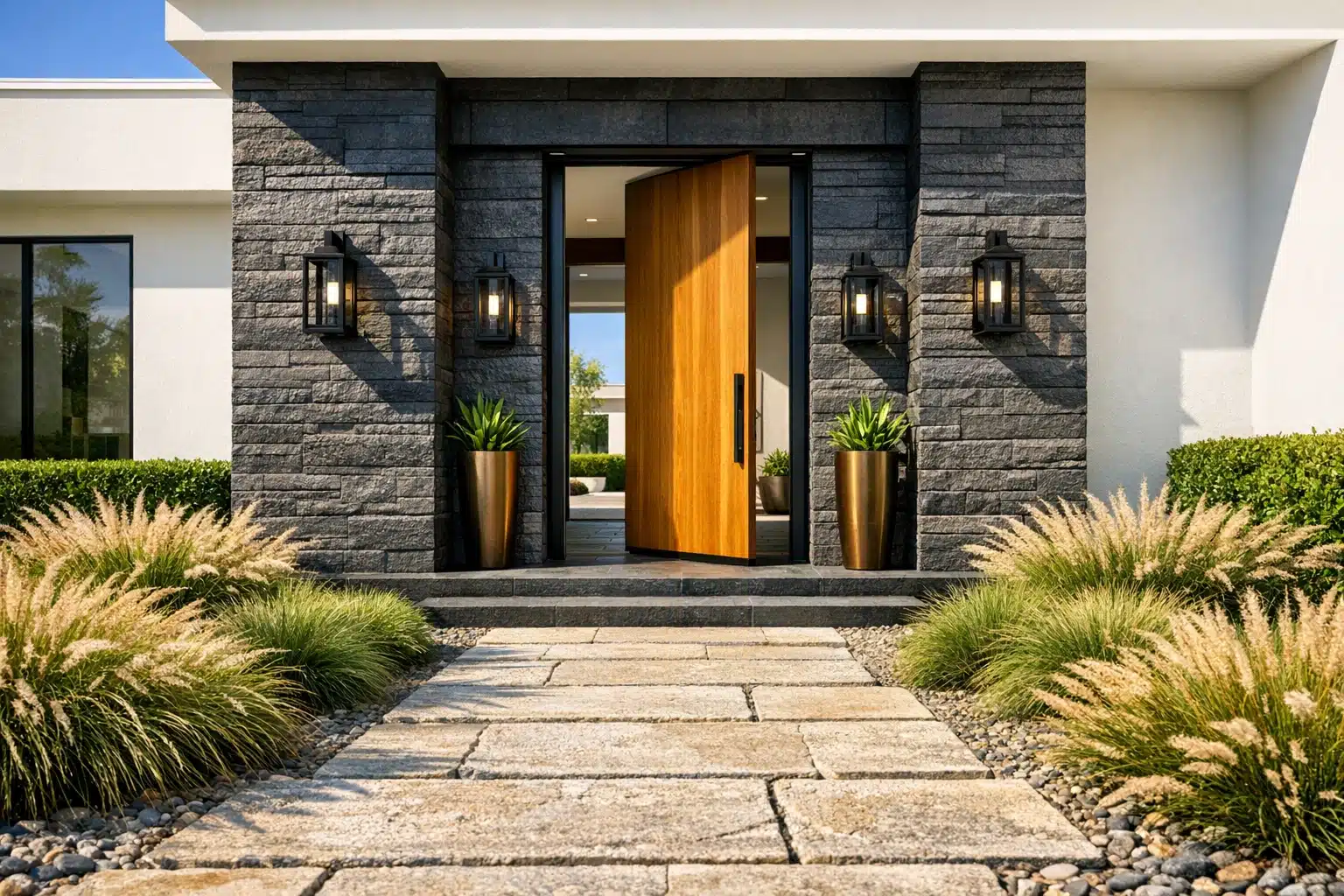
 Artificially generated image
 Faux Stone Panels 4×8: Styles, Uses, and Buying Guide
What 4×8 Faux Stone Panels Are and Why They Matter
Faux stone panels in the 4×8 format have become a practical shortcut for homeowners, remodelers, and designers who want the texture of masonry without the weight, dust, and long installation schedule of real stone. Their appeal is simple: one large panel can cover a broad area quickly, reshape a flat façade, or give an ordinary room a stronger architectural identity. This guide looks at how these panels are made, where they work best, and what smart buyers should check before ordering.
To keep the topic easy to navigate, here is the outline of the article. • First, we define the 4×8 panel format and explain why it is popular. • Next, we compare styles, materials, and realism. • Then, we look at indoor and outdoor uses. • After that, we cover installation, maintenance, and durability. • Finally, we move into price, value, and buying decisions. That sequence matters because faux stone is not just a decorative finish; it is a building product that affects labor, moisture planning, appearance, and long-term upkeep.
A true 4×8 panel measures roughly four feet by eight feet, which means a single sheet covers 32 square feet. That number may sound dry on paper, yet it changes the rhythm of a project in a big way. Instead of fitting dozens of individual veneer pieces one by one, an installer can handle coverage in broad, efficient sections. For feature walls, retail interiors, basements, shed exteriors, and selected façade upgrades, that speed can reduce labor time and simplify planning. The large format also helps on projects where owners want a dramatic visual shift over a weekend rather than a drawn-out masonry job.
Most faux stone panels are made from molded polymers, composite materials, or similar lightweight engineered products designed to imitate the surface variation of stacked stone, fieldstone, river rock, or cut-block masonry. They are not the same as natural stone veneer, and they are not meant to fool a stonemason from two inches away. Their real strength lies in balance. They aim to deliver texture, shadow lines, and a convincing architectural effect from normal viewing distances while remaining easier to transport, cut, and attach. In practical terms, they are often chosen by people who want the look of stone but need friendlier installation demands, lower structural stress, and a cleaner process.
That is why 4×8 panels sit in an interesting middle ground. Paint is too flat for some spaces. Real stone can be expensive, heavy, and labor intensive. Faux panels bridge that gap. Used well, they can transform an entry wall, a fireplace surround, a porch skirt, or a commercial reception area from plain to polished. Used poorly, they can look repetitive or artificial. The rest of this guide is about understanding that difference before money changes hands.
Styles, Materials, and the Details That Shape Realism
Once you move beyond the general idea of “fake stone,” the category becomes much more varied than many buyers expect. A 4×8 panel can imitate rustic dry-stack profiles, weathered fieldstone, modern ledgestone, ashlar block patterns, or rounded rock forms that feel closer to old garden walls. Each style carries a different mood. Ledgestone tends to look sharper and more contemporary, especially in charcoal, taupe, or cool gray blends. Fieldstone often feels warmer and more traditional, with irregular shapes and softer color transitions. River-rock-inspired panels create a friendlier, casual tone, while cut-block patterns can appear stately and formal. Choosing between them is less about chasing a trend and more about matching the architecture already present on the house or inside the room.
Material composition influences both appearance and performance. Many products in this category use polyurethane or similar molded polymers because they can capture texture while staying relatively light. Some lines are reinforced for added impact resistance or exterior use. Others are designed mainly for decorative interiors, where sunlight, weather exposure, and moisture are less demanding. This distinction matters. A panel that looks excellent in a den may not be suitable for a sun-beaten front wall if it lacks UV stability or proper exterior ratings. Likewise, a decorative panel near a heat source may require specific clearances or a fire-rated assembly. Buyers should treat the technical sheet as seriously as the color sample.
Realism depends on more than a good photograph. It comes from a combination of factors: varied depth, irregular edges, layered color, surface matte rather than plastic shine, and well-designed joints. A convincing panel usually has enough color movement to avoid looking printed and enough contour to cast small shadows throughout the day. The opposite is also true. Panels often look less believable when they are too glossy, too uniform in pattern, or too repetitive across a large wall. Repetition is the silent giveaway. When the same “stone” shape reappears every few feet, the eye notices even if the brain cannot immediately explain why.
When comparing options, these checkpoints are useful. • Does the pattern repeat noticeably across adjacent panels? • Are there matching corner pieces or trim solutions? • Is the surface finish matte, textured, and varied rather than slick? • Does the manufacturer provide exterior, UV, and fire information? • Can you view installed photos in natural light instead of only studio images? • Is the color blend flexible enough to work with roofing, siding, flooring, or cabinetry already in place?
A good faux stone panel does not need to win a museum realism contest. It simply needs to look coherent, well-scaled, and intentional in the setting where it will live. On a living room accent wall seen from eight feet away, a quality panel can feel rich and dimensional. On a front elevation in harsh afternoon sun, the standards rise. That is why style and material should never be separated. The pattern draws the eye, but the technical build determines whether the finish still looks good after seasons of use.
Where 4×8 Faux Stone Panels Work Best Indoors and Outdoors
The usefulness of 4×8 faux stone panels becomes clearer when you think in terms of problem-solving rather than decoration alone. Many rooms and exterior surfaces suffer from the same issue: they feel large but empty, visible but forgettable. A blank wall in a living room may need texture to anchor furniture. A front entry may need contrast to break up broad siding. A basement renovation may need a finish that adds character without introducing the complexity of full masonry. In those cases, a large-format stone-look panel can act like architectural punctuation. It gives the eye a place to land.
Indoors, these panels are frequently used on feature walls, fireplace surrounds, bar fronts, mudroom backdrops, home office video-call walls, and lower wall sections in finished basements. They can also work in retail shops, cafés, reception spaces, and model homes where owners want atmosphere without lengthy construction. Their advantage indoors is not only speed. They also offer depth and visual weight in places where paint, wallpaper, or flat paneling might feel too thin. A charcoal ledgestone look behind open shelving, for example, can make a modern room feel grounded. A warm fieldstone pattern in a den can shift the mood toward rustic comfort. It is a bit like adding a bass line to a song that previously had only melody.
Outdoor applications can be equally effective when the product is rated for exterior exposure. Common choices include foundation skirts, porch walls, outdoor kitchen surrounds, gable accents, shed upgrades, privacy wall treatments, and selected sections of a home façade. Because a 4×8 panel covers a broad span, it is often used where owners want a dramatic improvement without recladding the whole structure. A plain front entry, for instance, may look more substantial when stone texture frames the doorway or wraps a column base. That said, exterior success depends heavily on moisture management, flashing, and the right substrate. Appearance alone should never drive the decision.
Some locations call for caution. Panels are not universally ideal for every wet zone, every heat source, or every impact-heavy surface. Around fireplaces, clearances and material ratings matter. On exterior walls near grade, installers need to think about splash-back, drainage, and local code requirements. In high-traffic commercial corridors, durability should be checked carefully. Near pools or constantly wet features, buyers should confirm whether the product is designed for that exposure. In short, good use comes from matching the panel to the environment rather than forcing a pretty finish into the wrong role.
For many projects, the sweet spot is selective placement. A full house wrapped in faux stone can sometimes feel visually heavy, while one thoughtfully chosen wall can look deliberate and polished. Homeowners often get better results when they ask, “Where will texture create the most value?” instead of “Where can I install the most material?” That question usually leads to stronger design choices, fewer awkward seams, and a result that feels tailored rather than overdone.
Installation, Durability, and Maintenance Expectations
One reason 4×8 faux stone panels attract attention is that they promise a faster installation path than traditional stonework. In many situations, that promise is reasonable, but it should not be confused with “no skill required.” The large format reduces piece-by-piece labor, yet successful installation still depends on measurement, substrate condition, weather planning, seam management, and the manufacturer’s fastening method. Most systems are attached mechanically, with adhesive, or with a combination of both, depending on the product and application. Panels can often be cut with common tools recommended by the manufacturer, which is a major convenience compared with shaping natural stone. Even so, layout remains the make-or-break step.
Before the first panel goes up, the surface should be flat, sound, and suitable for the intended use. Exterior projects may require weather-resistant barriers, flashing, drainage considerations, and specific fastening schedules. Interior feature walls often seem simpler, but they still benefit from a clear reference line, planning around outlets and trim, and testing the panel arrangement before permanent attachment. Because each panel is large, small layout errors can become obvious quickly. A seam that drifts out of level at one end of a wall can create a chain reaction across the room. In that sense, faux panels are forgiving in weight but demanding in alignment.
Smart installers usually follow a sequence like this. • Inspect the wall and correct uneven areas. • Confirm that the product is approved for the location. • Dry-fit multiple panels to understand seam placement. • Stagger joints or blend patterns when possible to reduce visible repetition. • Use matching corners, trim, or termination pieces where needed. • Seal or finish edges only as directed by the product instructions. • Step back often during installation, because a wall that looks fine from two feet away may read differently from across the room.
Durability varies by product quality and environment. A well-made exterior-rated panel can handle years of service when installed correctly, but it is still a manufactured finish rather than quarried stone. Strong sunlight, repeated freeze-thaw cycles, impact, and moisture exposure will test lower-grade products more quickly. Indoors, lifespan is usually less stressful, though scratches and dents remain possible in tight corridors or active family spaces. Maintenance is generally straightforward: dusting, occasional washing with mild soap and water, and avoiding harsh chemicals or abrasive tools unless the manufacturer specifically permits them. Some owners are tempted to use aggressive pressure washing outdoors, yet that can damage seams, coatings, or fastening points if done carelessly.
The realistic expectation is this: faux stone panels offer convenience and a strong visual return, but they are not a magical substitute for every masonry condition. They reward careful prep, patient alignment, and attention to details that many people only notice after the project is finished. Treat them like a finish system rather than a decorative shortcut, and they tend to perform far better over time.
Buying Guide, Cost Comparison, and Final Advice for Homeowners
Buying 4×8 faux stone panels is easier when you separate price from value. The sticker number on a single panel does not tell the whole story, because a project cost also includes trim pieces, corner elements, fasteners, adhesive if required, shipping, waste allowance, substrate prep, and labor. Since each panel covers 32 square feet, buyers often calculate a rough cost per square foot first and then build outward from there. In broad terms, budget-friendly panels may appear attractive upfront, but lower realism, visible repetition, thinner construction, or weak technical support can make them feel expensive later. A mid-range or premium option sometimes delivers better value if it installs more cleanly and looks more convincing once the wall is complete.
Comparing faux stone with real stone veneer also requires context. Natural stone usually offers unmatched authenticity and long-term prestige, but it often brings higher material weight, more specialized labor, longer installation time, and additional structural considerations. Faux panels reduce those burdens significantly. That makes them appealing for remodeling projects, DIY-minded owners with solid preparation skills, and commercial spaces that need speed. Still, the cheapest panel is rarely the safest bet. If a product lacks installation documentation, exterior ratings, warranty clarity, or matching accessories, the savings can disappear in callbacks and rework.
Before purchasing, ask questions that reveal product quality rather than marketing polish. • What is the exact coverage area per panel after accounting for overlap? • Is the panel rated for interior use, exterior use, or both? • Are UV, moisture, and fire details documented? • What accessories are available for corners, ends, transitions, and openings? • How visible are seams in real installations? • What tools and fasteners are required? • How is color consistency managed across production batches? • What maintenance practices are recommended over the next five to ten years?
Samples are worth the effort. A small piece viewed in daylight, evening light, and room light can prevent a costly mismatch. If possible, place it next to flooring, paint, brick, roofing, or siding that will remain. Color harmony matters as much as texture. A panel that looks dramatic on its own can clash once it meets warm wood floors or a cool-toned roof. Shipping should also be considered, especially for large orders, because oversized panels can add meaningful freight costs. For exterior jobs, code compliance and installation method deserve one final check before anything is ordered in bulk.
For the typical homeowner, the best 4×8 faux stone panel is not the one with the loudest sales pitch. It is the one that suits the house, fits the climate, matches the skill level of the installer, and creates the right amount of visual depth without becoming a maintenance burden. If you want a quick upgrade for a feature wall, porch, entry, or basement, these panels can be a smart and attractive solution. If you want the permanence and tactile irregularity of true masonry, natural stone may still be the better path. The strongest decision comes from knowing your priorities clearly: appearance, speed, budget, durability, or all four in careful balance.