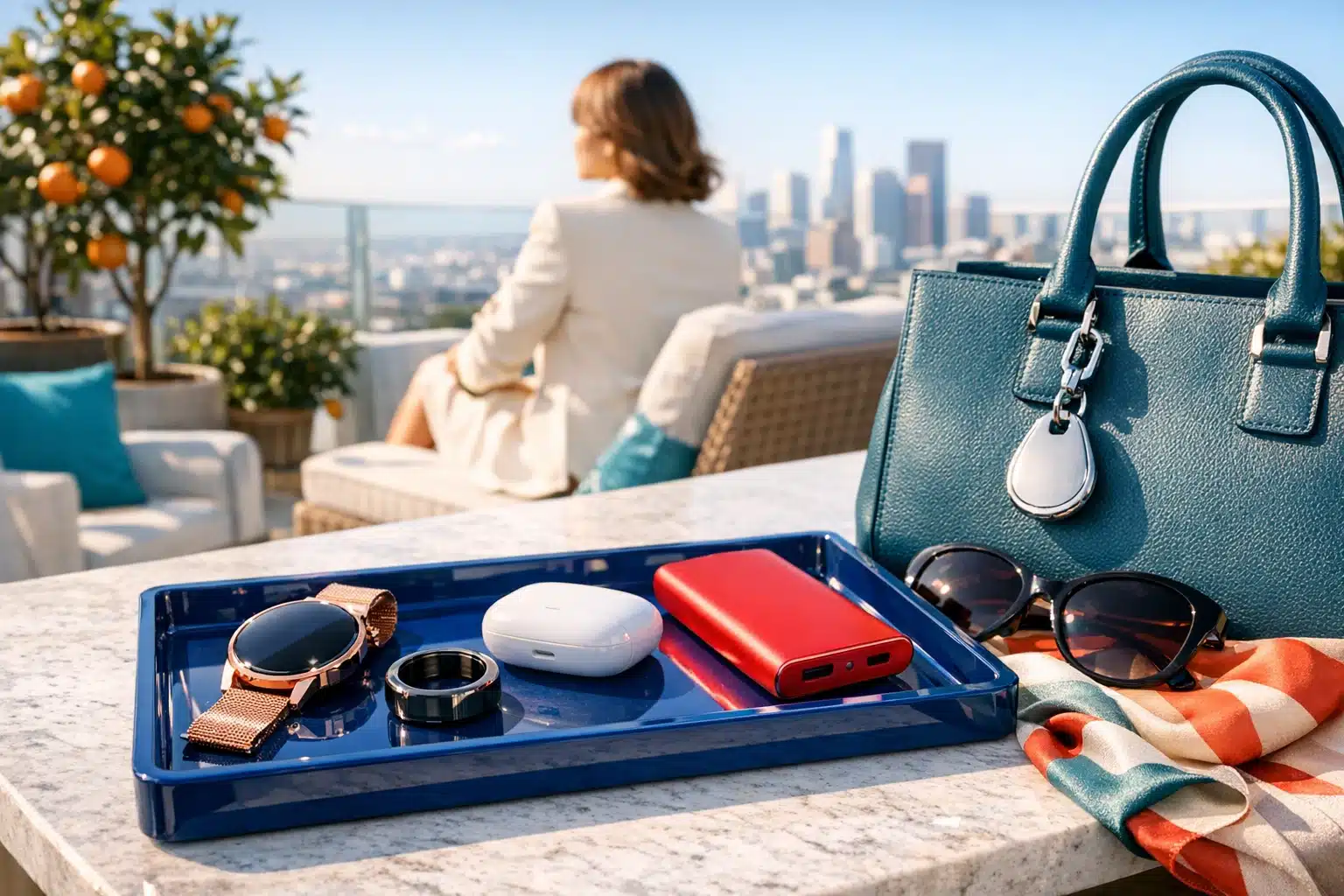
 Artificially generated image
 Innovative Cool Gadgets for Women
Technology is most impressive when it quietly fixes everyday annoyances, and that is why modern gadgets deserve more attention than simple novelty lists usually give them. For women juggling work, study, travel, fitness, caregiving, or creative goals, the right device can save minutes, reduce stress, and make routines feel smoother without asking for a huge learning curve. The newest options are not just stylish add-ons; many now combine practical design, smart sensors, and portability in ways that genuinely support daily life.
Article Outline
This article begins with wearable technology and personal safety tools, then moves into beauty and wellness devices that balance convenience with evidence-based usefulness. After that, it explores gadgets that improve travel, commuting, and productivity, followed by smart home tools that streamline daily routines. The final section offers a practical buying guide so readers can compare features, avoid gimmicks, and choose devices that fit real habits instead of collecting dust in a drawer.
- Wearables and safety-focused tech
- Beauty and wellness gadgets
- Travel, work, and commuting essentials
- Smart home and lifestyle helpers
- Buying advice and feature comparisons
1. Smart Wearables and Personal Safety Gadgets
Wearable technology is one of the most interesting gadget categories for women because it blends utility, comfort, and design in a way that feels natural rather than disruptive. A good wearable does not need to shout for attention. It works quietly in the background, tracking movement, measuring sleep, delivering reminders, or helping a user reach for assistance quickly. That mix of subtlety and function explains why smart rings, slim smartwatches, discreet fitness bands, and smart jewelry have become so popular.
Smart rings are especially appealing to users who dislike bulky screens on the wrist. Many current models can track sleep, resting heart rate, temperature trends, and activity, while often lasting around 4 to 7 days on a single charge. Compared with a smartwatch, a ring is lighter, less visually intrusive, and easier to wear with formal clothing. A smartwatch, however, still wins on interactive features. It can display maps, texts, timers, voice assistants, and workout metrics in real time. In simple terms, a ring is excellent for passive data collection, while a watch is better for active digital control.
Personal safety gadgets also deserve a place in this category because they answer a practical concern without turning daily life into a science fiction movie. Compact personal alarms can emit a loud siren when activated, making them useful for commuters, students, runners, and travelers. Some wearable devices also include SOS functions, location sharing, fall detection, or emergency calling, although availability varies by region, phone connection, and subscription level. Small Bluetooth trackers can help users locate keys, handbags, or luggage, which sounds minor until a rushed morning proves otherwise.
When comparing wearable gadgets, these points matter most:
- Battery life, especially for people who do not want another nightly charging habit
- Comfort and sizing, since wrists and fingers vary widely
- Water resistance for workouts, rain, and everyday accidents
- App quality, because clumsy software can ruin good hardware
- Privacy settings for health data and location sharing
The best wearable is less like fireworks and more like good lighting: you notice life feels better, not louder. For women who want technology that fits into a busy day without dominating it, wearables remain one of the smartest places to start.
2. Beauty and Wellness Gadgets That Go Beyond Hype
Beauty and wellness gadgets often attract attention because they promise convenience, consistency, and a touch of luxury at home. Still, this category is where careful comparison matters most. Some devices genuinely save time or improve routine quality, while others look impressive online and end up forgotten beside the bathroom mirror. The smartest approach is to separate tools that improve process from products that claim too much.
One of the most useful subcategories is portable grooming and skincare tech. Facial cleansing brushes, for example, can help remove sunscreen, makeup, and oil more thoroughly than hands alone, though they should be used gently and not necessarily every day on sensitive skin. LED skincare devices have also become more common. Certain wavelengths of light are studied for cosmetic skincare support, particularly when used consistently, but they are not miracle machines and should not replace medical care for persistent conditions. For readers interested in these tools, it is worth checking device safety standards, treatment times, and whether the brand offers clear usage guidance.
Hair styling gadgets are another area where innovation has become more practical. Cordless straighteners, compact dryers, and heated styling brushes are especially useful for travel, office touch-ups, or humid-weather rescue missions. Compared with traditional tools, the main trade-off is power versus portability. A salon-size dryer may deliver faster results, but a lightweight model is easier to pack and less likely to become a burden. Likewise, heated eyelash curlers and illuminated makeup mirrors may sound niche, yet they can make quick routines easier for people who get ready in dim rooms, shared spaces, or during early mornings.
Wellness gadgets often overlap with beauty, especially when stress and fatigue show up on the face before they show up in a calendar. Mini massage guns, heated eye masks, neck massagers, and sunrise alarm clocks fall into this practical middle ground. They do not need dramatic claims to be valuable. Better sleep quality, reduced tension after computer work, or a more relaxing evening routine is already a meaningful outcome.
A sensible way to evaluate beauty and wellness gadgets is to ask:
- Does this device save time or improve consistency?
- Is there a learning curve, or can it fit easily into a real routine?
- Are replacement heads, batteries, or accessories affordable?
- Does the product make cosmetic support claims only, or does it overreach?
In this category, elegance matters, but honesty matters more. The most impressive gadget is rarely the one that promises transformation. It is the one that quietly helps a morning move faster, an evening feel calmer, or a small ritual become easier to keep.
3. Travel, Commuting, and Productivity Gadgets for Busy Days
Not every cool gadget needs to live in a vanity case or on a nightstand. Some of the most useful devices earn their place during transit, work hours, and those oddly chaotic stretches between appointments. For women who commute, travel frequently, work hybrid schedules, or simply like staying organized while moving through the day, portable tech can make a measurable difference.
Power banks are a perfect example. A smartphone with maps, digital tickets, messaging apps, camera use, and mobile payments can burn through battery far faster than people expect. Entry-level power banks often start around 5,000 mAh, which may be enough for one partial or full phone recharge, while 10,000 to 20,000 mAh models are better for long days, travel delays, or charging multiple devices. The comparison here is simple: smaller banks are easier to carry, larger ones offer more security. If a handbag already feels like a portable office, weight becomes a deciding factor.
Wireless earbuds and noise-reducing headphones are another practical upgrade. On trains, in co-working spaces, or during flights, they can reduce background distraction and make calls clearer. Earbuds are lighter and easier to stash in a pocket, while over-ear headphones usually offer stronger battery life and better passive comfort for long sessions. The right choice depends on whether portability or immersion matters more.
Travel-friendly gadgets also include universal adapters, compact garment steamers, luggage trackers, foldable keyboards, and e-readers. A foldable keyboard paired with a phone or tablet can be surprisingly useful for women who need to answer long emails or draft notes without carrying a laptop. E-readers save bag space compared with multiple books and are especially attractive to frequent travelers because battery life often lasts far longer than a tablet’s. Luggage trackers, meanwhile, offer peace of mind rather than performance flair. That reassurance can feel priceless during a rushed connection.
Useful productivity and travel gadgets often share a few traits:
- They reduce friction in unpredictable situations
- They are lightweight enough to carry regularly
- They charge easily with common cables or USB-C
- They solve a problem that appears more than once a month
The magic of a well-chosen travel gadget is not glamour. It is relief. It is the quiet comfort of finding your bag, finishing a document from a café, or landing with enough battery left to book a ride home. In a world built around movement, portable technology can feel like an extra pocket of calm.
4. Smart Home and Lifestyle Gadgets That Simplify Everyday Routines
Home gadgets become truly cool when they remove tiny daily frictions that add up over time. This category is especially relevant for women managing layered routines, whether that means living alone, sharing a busy household, working from home, or balancing several roles in the same day. A device does not need to be revolutionary to be valuable. Sometimes the best upgrade is simply fewer taps, fewer reminders, and fewer small tasks left hanging in the air.
Smart lighting is one of the easiest examples. App-controlled bulbs and lamps can adjust brightness, color temperature, and schedules, making them useful for waking up, winding down, reading, or creating a more flattering makeup setup. Compared with standard bulbs, smart options cost more upfront, but they offer more flexibility and can support energy-conscious habits by running on timers. For many users, the biggest advantage is convenience: no need to walk back across the room just to fix the lighting mood.
Robot vacuums are another popular lifestyle gadget, especially for apartments, pet owners, or anyone who wants floors maintained between deeper cleans. Higher-end models map rooms, avoid obstacles, and even empty themselves into a charging dock. Budget models handle simpler open spaces well but may struggle with cords, rugs, or clutter. The comparison here is less about whether robot vacuums work and more about how much independence a buyer wants. A basic unit offers help; a premium unit offers more autonomy.
Other standout gadgets include wireless charging trays, sunrise alarm clocks, smart mugs that keep drinks warm, compact air purifiers, digital planners, and app-linked kitchen scales. These tools do not belong in the same aesthetic box, but they serve a shared purpose: they smooth routine edges. A charging tray keeps devices visible and organized. A sunrise alarm can make mornings feel less abrupt. A smart mug keeps coffee from becoming a forgotten cold regret beside a keyboard.
When choosing home gadgets, compatibility matters more than many buyers expect. Before buying, it helps to check:
- Whether the device works with your current phone ecosystem
- If voice assistant support is important to you
- Whether setup requires a separate hub or subscription
- How easy it is to clean, update, or repair
There is a special kind of pleasure in tech that helps a home feel more responsive without becoming complicated. The room brightens when you need it, the floor gets tidied while you do something else, and the small mechanics of the day begin to cooperate a little more. That is not just convenience; it is reclaimed attention.
5. How to Choose the Right Gadget: Features, Value, and What Actually Matters
With so many devices competing for attention, choosing the right gadget can feel harder than using the gadget itself. Sleek advertising often focuses on aesthetics, while real satisfaction depends on fit, reliability, and whether the product solves a repeated problem. For women shopping in this space, the smartest strategy is not chasing every trend. It is matching features to actual habits, budget, and lifestyle.
The first question should always be practical: what problem am I trying to solve? If the answer is vague, the purchase may be driven more by novelty than usefulness. A smartwatch makes sense for someone who wants notifications, health tracking, and workout features in one place. A smart ring may be better for someone who values sleep insights and minimal design. A cordless beauty tool is ideal for frequent travel, while a full-size device may offer better power at home. One category is not universally superior; it simply serves a different routine.
Budget matters too, but value is more important than price alone. An inexpensive gadget that breaks quickly or depends on costly refills can become more expensive over time. On the other hand, a premium device is not automatically worth it if half the features go unused. Mid-range products are often where the best balance appears, especially when they come from brands with clear warranty terms, software support, and replacement part availability.
These buying criteria are worth prioritizing:
- Battery life that matches your tolerance for charging
- Portability, especially if you plan to carry it daily
- Durability for travel, gym bags, or bathroom storage
- App quality and data privacy practices
- Subscription requirements and ongoing costs
- Ease of cleaning and maintenance
- Return policy and warranty coverage
It also helps to think about design in a realistic way. A gadget can be beautiful and still be poorly shaped for small hands, awkward in a handbag, or uncomfortable after an hour of use. Comfort is not a minor detail; it often determines whether a device becomes part of daily life. Reviews that mention long-term wear, charging habits, and app stability are usually more useful than flashy unboxing impressions.
Finally, leave room for personal preference. Some women want tech that disappears into the background. Others enjoy visible devices that feel expressive and stylish. Both approaches are valid. The right gadget is not the most expensive, the most talked about, or the most futuristic-looking. It is the one that earns its place through repeated usefulness. When a device saves time, reduces stress, or helps a routine run more smoothly, it stops being a gimmick and becomes part of the rhythm of real life.
Conclusion for Women Choosing Smarter Everyday Tech
The strongest gadget choices are rarely the loudest ones. For women looking to invest in practical technology, the best devices are those that fit naturally into real schedules, real spaces, and real priorities. Wearables can support health tracking and safety, beauty tools can make routines more efficient, travel tech can reduce daily friction, and smart home devices can return a little time and calm to crowded days.
If there is one useful rule to keep in mind, it is this: buy for the life you actually live, not the one marketing images suggest. A thoughtfully chosen gadget can make mornings easier, commutes lighter, evenings calmer, and organization simpler. That is the real appeal of innovative tech today. It is not just about owning something new; it is about choosing tools that make everyday life work a little better.