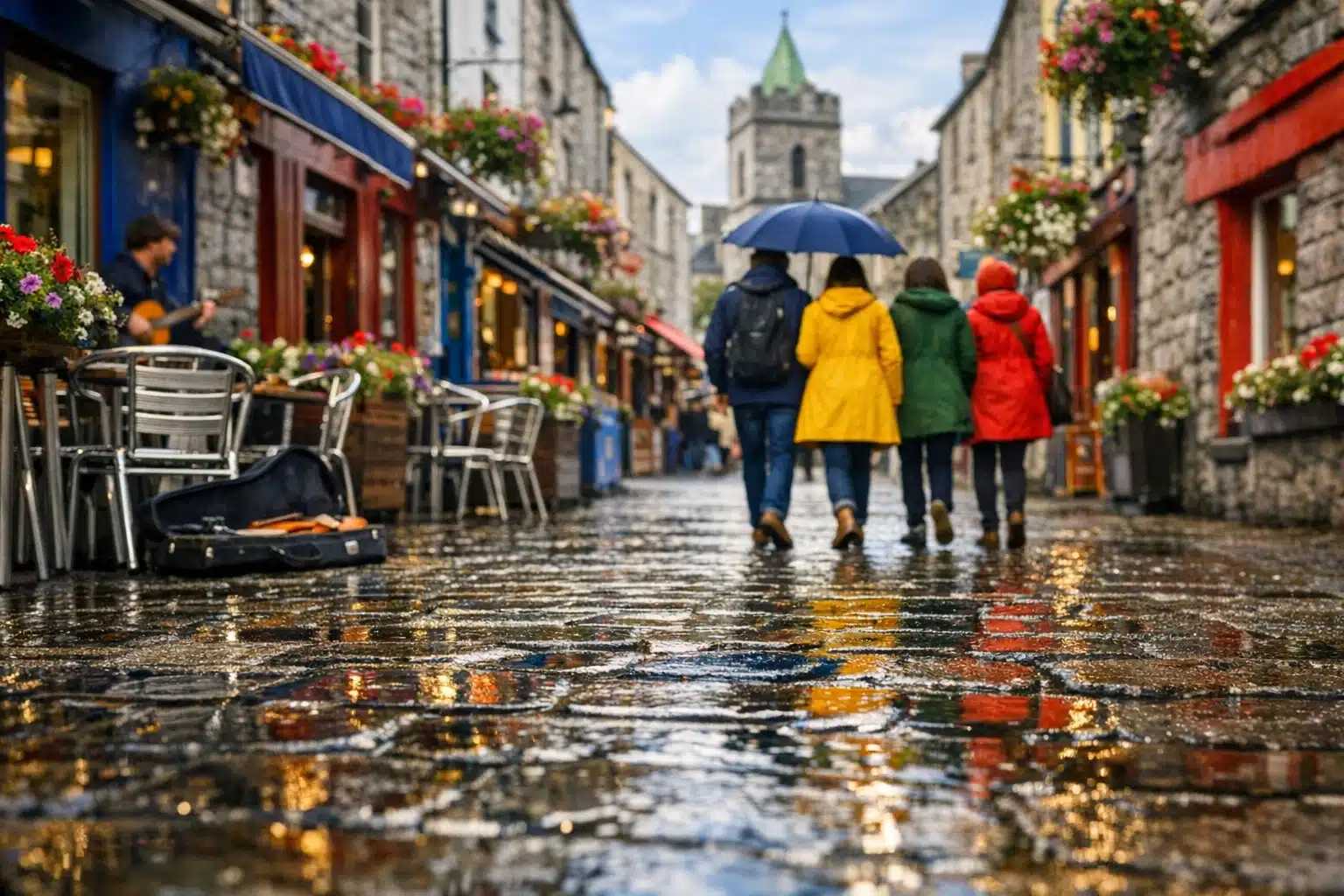
 Artificially generated image
 Ireland 8-Day All-Inclusive Tour Package
Ireland rewards slow travel, yet many visitors only have a week and hope to see far more than Dublin. An 8-day all-inclusive tour matters because it turns limited time into a workable route, bundling transport, hotels, key meals, and major sights into one coordinated plan. That structure can reduce booking errors, simplify budgeting, and remove a surprising amount of stress during busy travel months. If you are weighing comfort against freedom, this guide shows where these packages deliver, where they feel limiting, and how to choose one wisely.
Outline:
• What an 8-day all-inclusive Ireland package usually includes and what is often excluded
• A realistic 8-day route linking Dublin with the west coast, the southwest, and heritage towns
• A practical comparison between escorted packages and self-planned travel
• The best seasons, group styles, and booking details to review before paying
• A conclusion focused on who benefits most from this kind of tour
What an 8-Day All-Inclusive Ireland Tour Package Usually Covers
An all-inclusive tour package sounds wonderfully simple, but the phrase can mean different things depending on the operator. In Ireland, an 8-day package usually includes accommodation, coach or minibus transportation, airport transfers on scheduled dates, some meals, a guide or tour manager, and admission to a selection of major attractions. It often covers enough of the trip to make planning easy, though not always enough to make spending disappear entirely. Understanding that distinction is the first step to choosing well.
In practical terms, most packages combine six to seven hotel nights with daily overland travel. Hotels are commonly three-star or four-star properties, and in rural areas that may mean a family-run country hotel with more character than polish. In cities such as Dublin, Galway, or Cork, travelers may stay just outside the historic center to control costs. That matters because “all-inclusive” does not always mean “walk-outside-and-you-are-on-Grafton-Street.” Location is part of value, and central hotels can change the entire feel of an evening.
Typical inclusions often look like this:
• Daily breakfast
• Several dinners, especially in smaller towns
• Transportation between major stops
• Professional guiding and commentary
• Entry to signature sites such as the Cliffs of Moher, a historic house, or a distillery
• Luggage handling on selected departures
Typical exclusions are just as important:
• Flights, unless the package is specifically sold as air-inclusive
• Some lunches and several dinners in larger cities
• Travel insurance
• Optional excursions
• Tips for guides and drivers
• Personal spending, drinks, and hotel incidentals
Compared with an independently planned trip, this bundled format is valuable because Ireland’s most famous routes are scenic but not always efficient without a car. Rail links are good between some cities, yet many of the postcard locations people imagine, from ring roads to cliff walks and peninsulas, are easier to reach by road. A guided package converts that complexity into a timetable. You wake up, eat breakfast, and the day moves forward without you chasing train schedules or deciphering rural bus connections.
There is also a softer benefit that brochures do not always explain well: narrative. A good guide stitches together the journey, connecting Viking history in Dublin, monastic ruins in the midlands, famine-era stories, Gaelic traditions, literary references, and modern Irish culture. The road becomes more than a transfer. It becomes part of the trip’s meaning.
Still, travelers should read the fine print closely. If a package advertises “all-inclusive” but includes only breakfast and a handful of entries, you may still spend a substantial amount on lunches, drinks, and free-time activities. For that reason, the strongest packages are not simply the cheapest or the most expensive. They are the ones that clearly explain what is covered, match the pace to the target traveler, and leave enough breathing room to enjoy Ireland rather than merely pass through it.
A Realistic 8-Day Route Across Ireland: What the Journey Often Looks Like
Most successful 8-day Ireland tours are built around a loop, not a zigzag. That may sound like a small planning detail, but it shapes how tiring or enjoyable the trip feels. A well-designed itinerary usually starts in Dublin, moves west toward Galway, bends south through Clare or Kerry, and returns east through Cork or Kilkenny. This route captures city life, Atlantic scenery, and heritage towns without asking travelers to unpack and repack at a punishing pace.
A common version begins with one or two nights in Dublin. That opening matters because long-haul visitors often arrive tired, and the city provides an easy landing. A guided panoramic drive, a walk around Trinity College, Dublin Castle, or St Stephen’s Green, and perhaps time in Temple Bar or along the River Liffey help set the tone. Dublin is not only a capital; it is a key to Ireland’s layered identity, where Georgian streets sit alongside literary landmarks, political history, and a modern food scene.
From there, many tours head west. The drive to Galway is typically broken by a heritage stop such as Clonmacnoise, Kilbeggan, or another cultural site in the midlands. Galway itself offers a different rhythm from Dublin: buskers, stone lanes, harbor light, and a compact center that is easy to explore on foot. One evening there often feels too short, but that fleeting quality is part of Galway’s charm. It arrives like music from a doorway and leaves the traveler wanting one more tune.
The next phase usually covers the Burren and the Cliffs of Moher. The cliffs are among Ireland’s most recognized natural sights, rising dramatically above the Atlantic, and they are frequently paired with the limestone landscapes of the Burren. This is one of the strongest arguments for guided touring. Driving these sections independently can be rewarding, but on a coach tour travelers can simply look out the window and let the changing sky perform its old Atlantic theater.
Many 8-day packages then continue into County Kerry, often via Limerick or through a scenic southern route. Here the itinerary may include Killarney National Park, the Ring of Kerry, Ross Castle, Muckross House, or a jaunting car ride depending on the package style. Travel times can be several hours on scenic roads, but the views usually justify the pace. On a good itinerary, these long drives are balanced by short walks, photo stops, and one or two evenings in a town with atmosphere rather than a highway hotel with nothing around it.
The return east commonly includes Cork, Blarney, Cobh, or Kilkenny. Each stop changes the mood again: Cork feels urban and food-oriented, Cobh brings maritime history, and Kilkenny adds medieval texture with a compact, appealing center. The final journey back to Dublin is usually straightforward, allowing time for a last group dinner or a farewell drink.
In summary, the strongest route design follows a clear logic:
• Dublin for arrival and history
• Galway for west-coast culture
• Clare for iconic scenery
• Kerry for landscapes and classic touring
• Cork or Kilkenny for heritage on the return east
When these pieces are arranged well, the tour does more than cover landmarks. It creates a narrative arc, moving from capital energy to open coast, from ancient stone to green valleys, and back again with a fuller picture of the country.
All-Inclusive Tour vs Independent Travel: Cost, Comfort, and Flexibility Compared
For many travelers, the real question is not whether Ireland is worth visiting. It is whether an all-inclusive tour offers better value than booking everything independently. The answer depends less on headline price and more on how you travel, what season you choose, and how much effort you want to spend organizing transport, accommodation, and admissions.
Independent travel can look cheaper at first glance. Budget airlines, rail promotions, and early hotel deals can reduce costs, especially for flexible travelers in the shoulder seasons. But Ireland becomes noticeably more expensive in summer. Hotel rates in Dublin and popular scenic regions often rise sharply between late spring and early autumn, and car rental demand can push daily rates upward as well. Once fuel, parking, tolls, admissions, and meals are added, the self-planned trip may not be as economical as it first appeared.
An escorted package, by contrast, spreads those variables into a single price. That helps travelers who prefer budget certainty. The most practical savings often come from three areas:
• Group transport instead of individual car rental or multiple rail tickets
• Pre-negotiated hotel rates, especially in high-demand locations
• Bundled attraction admissions that reduce ticket-by-ticket planning
There is also the value of time. Independent travelers must compare routes, monitor check-in rules, confirm opening hours, and manage luggage transitions. None of that is impossible, but it uses mental energy. A tour package buys back attention. You can spend that attention on the place itself: the shape of a ruined abbey against the rain, the smell of peat smoke in the evening, the way a guide’s story changes what you thought was just another stone wall into a fragment of living history.
That said, all-inclusive touring has trade-offs. Flexibility is the biggest one. If you fall in love with Dingle, a package cannot usually grant you an extra day there. If you want two quiet hours in a museum, but the group has forty minutes, the schedule wins. Travelers who value spontaneity, unusual detours, or late mornings may find the structure too firm. Independent travel also allows deeper regional focus. Instead of seeing several counties in one week, a self-planned trip might devote the entire holiday to the west coast or the southwest.
Comfort is another factor worth comparing honestly. A good coach tour removes the fatigue of driving on narrow roads, navigating unfamiliar roundabouts, and searching for rural hotels after dark. For first-time visitors, especially those unused to left-side driving, that can be a major relief. On the other hand, travelers who enjoy road trips often consider the drive itself part of the adventure, and Ireland’s back roads can be magical when explored slowly.
The choice often comes down to traveler type:
• First-time visitors usually benefit from escorted structure
• Families may value the convenience if children handle group pacing well
• Older travelers often appreciate luggage help and reduced driving demands
• Independent-minded return visitors may prefer designing their own route
In simple terms, an 8-day all-inclusive tour is strongest when convenience, predictability, and efficient sightseeing matter more than personal freedom. Independent travel is strongest when customization matters more than simplicity. Neither model is universally better. The right choice is the one that matches your energy, expectations, and tolerance for logistics.
Best Time to Go and How to Choose the Right Package
Ireland is beautiful in every season, but not every season suits every traveler. Choosing the right 8-day package means looking beyond brochure photos and asking how weather, daylight, crowd levels, and group design will shape the actual experience. The country’s reputation for quick-changing skies is well earned. You may see sun, wind, and rain on the same day, and that unpredictability is part of the charm. The key is choosing a package that works with Ireland instead of pretending the country behaves like a beach destination.
Late spring and early autumn are often the sweet spots. May, June, and September usually bring long daylight hours, green landscapes, and a good balance between activity and atmosphere. July and August can be lively and appealing, but they also tend to bring larger crowds, higher hotel prices, and more competition for central rooms. Winter tours have their own appeal, especially around festive periods in cities, but daylight is shorter and some rural experiences may feel more limited.
Seasonal differences matter in practical ways:
• Summer offers longer days for scenic drives and photo stops
• Shoulder season often means better value and fewer crowds
• Winter can be cozy in cities but less efficient for wider touring
• Rain is possible year-round, so waterproof layers matter regardless of month
Beyond the calendar, group style is crucial. Some packages are fast-moving panoramic tours designed to cover a lot of ground at a moderate price. Others are slower, with more two-night stays and fewer hotel changes. The difference can transform the trip. A faster tour may suit energetic travelers who want a broad overview. A slower one is often better for couples, older travelers, and anyone who wants evenings that feel like leisure rather than recovery.
Before booking, review the package with a practical eye. Important questions include:
• How many hotel changes are involved?
• Are dinners included every night or only on selected days?
• Are entry fees substantial or mostly optional extras?
• How large is the group?
• Is there free time in Dublin, Galway, or Killarney?
• Are airport transfers included on both arrival and departure dates?
• Does the operator state hotel names or only general categories?
Group size can affect the entire tone of the holiday. Large coach tours often cost less per person and may include polished logistics, but they can feel less personal. Smaller groups usually move faster at stops, access boutique accommodations more easily, and create a more conversational atmosphere with the guide. The trade-off is that smaller-group departures are often more expensive.
Travelers should also consider physical demands. Many Irish highlights involve uneven ground, castle steps, cliff paths, or extended walking through town centers. A well-described itinerary should explain activity levels clearly. If it does not, ask. The right package is not the one with the longest inclusion list. It is the one whose pace, hotel standard, route, and free time match your real habits as a traveler.
In other words, choose with honesty rather than fantasy. If you dislike early starts, do not book the most ambitious route. If you love scenic variety and dislike planning, this format may fit beautifully. And if your dream of Ireland includes both famous landmarks and room to sit quietly in a pub while rain freckles the window, search for a package that leaves a little unplanned space. That is often where the country lingers longest in memory.
Conclusion: Who an Ireland 8-Day All-Inclusive Tour Package Suits Best
An 8-day all-inclusive Ireland tour package is best understood as a smart framework rather than a perfect solution for everyone. For first-time visitors, it offers a clear advantage: the route is already tested, the key highlights are connected sensibly, and the most common travel headaches are reduced before the trip even begins. That is especially helpful in a country where the most scenic experiences are often spread across several regions and where rural driving, while rewarding, can feel demanding to newcomers.
Travelers who benefit most from this format usually share a few priorities. They want to see a broad mix of Ireland in a short period. They prefer budgeting with relative certainty. They value having hotels, transport, and several admissions handled in advance. They enjoy hearing local context from a guide and do not mind following a schedule if it means seeing more with less effort. For these travelers, the package is not restrictive; it is liberating in a different way.
This style of trip often suits:
• Couples seeking a balanced first introduction to Ireland
• Solo travelers who want company without planning every detail alone
• Mature travelers who prefer not to drive long distances
• Busy professionals who want an efficient, low-stress holiday
• Families with older children who can handle early starts and coach time
It may suit others less well. Highly independent travelers, photographers who prefer lingering for the perfect light, and repeat visitors with niche interests may find greater satisfaction in a self-planned journey. If your dream trip revolves around spending three nights in one fishing village, exploring hidden peninsulas, or reshaping plans according to the weather, a structured group tour may feel too narrow.
Still, there is a reason this format remains popular. Ireland compresses a remarkable amount of variety into a manageable map: capital streets with literary weight, medieval lanes, green interior plains, wild Atlantic viewpoints, music-filled towns, and landscapes that seem to shift mood every hour. An 8-day package allows travelers to sample that range without turning the holiday into a project-management exercise.
For the target traveler, the ideal approach is simple. Compare what is included, examine the route, check the pace, and decide how much freedom you truly need. If you want a well-organized introduction to Ireland with a strong blend of scenery, heritage, and convenience, an all-inclusive 8-day tour can be a practical and genuinely enjoyable choice. It will not show everything, and no honest itinerary should pretend otherwise. But it can offer something many trips fail to deliver: a coherent, memorable week in which the planning fades into the background and the country takes center stage.