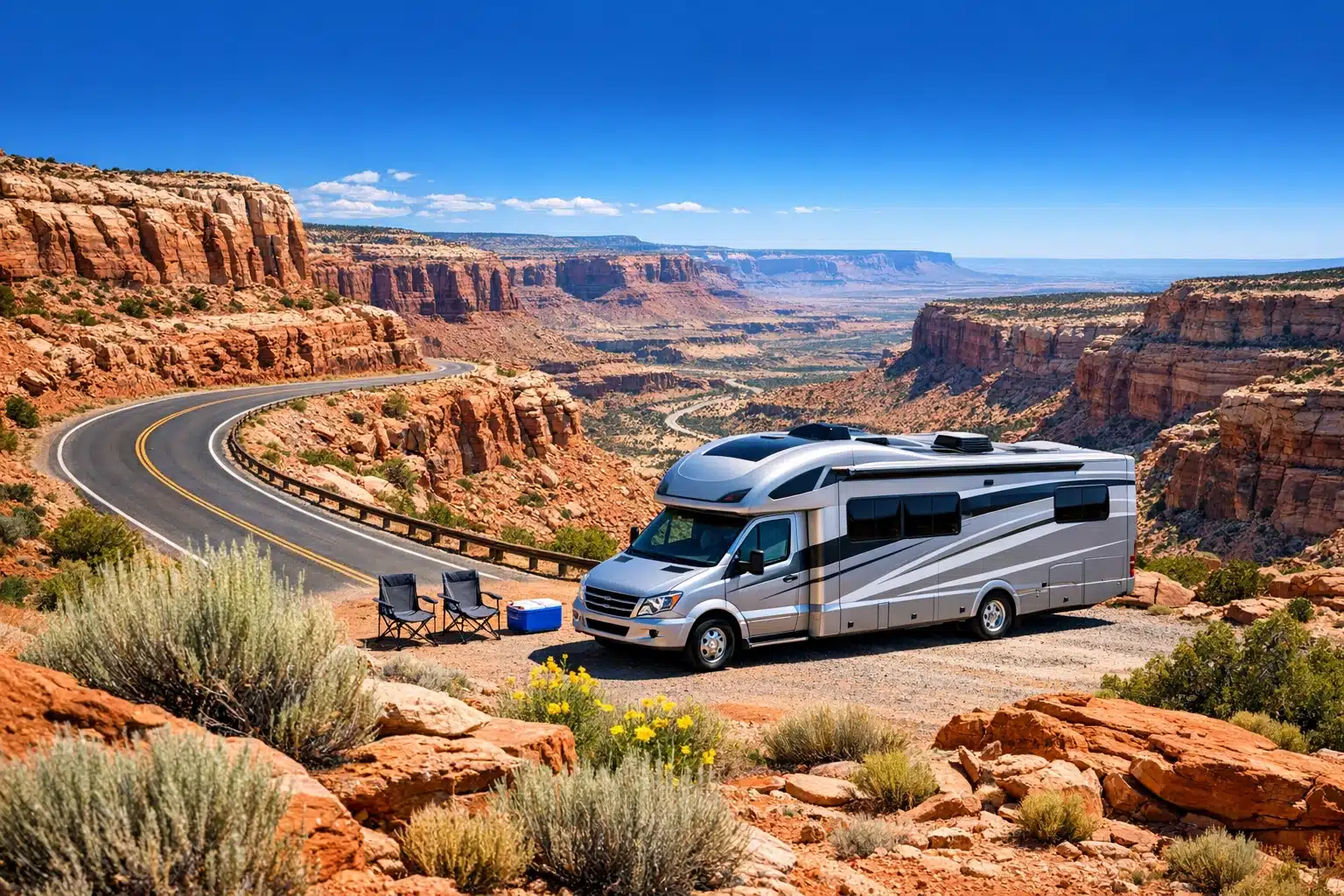
Understanding RV and Motorhome Loans: Zero-Down and No-Credit-Check Options
Shopping for a motorhome loan often starts with a bright promise: drive away now, worry about the paperwork later. For buyers with limited cash or imperfect credit, that message can feel like a welcome shortcut after months of browsing floor plans and imagining distant campsites. Still, financing is where excitement meets math, and small differences in rate, term, and fees can reshape the full cost of ownership. The sections below map the terrain so you can compare offers calmly, ask sharper questions, and protect your budget.
Article Outline
– What zero-down and no-credit-check claims usually mean in the real market
– How RV lenders evaluate borrowers, collateral, income, and total risk
– Where financing can come from, and how major loan types compare
– Steps that can improve approval odds without rushing into a poor deal
– Warning signs, long-term costs, and a conclusion for practical buyers
What Zero-Down and No-Credit-Check Really Mean
The phrase zero down sounds simple, but it does not always mean cost-free entry into RV ownership. In many cases, it only means the lender is willing to finance the purchase price without requiring a cash down payment from you at closing. That still leaves other costs on the table, such as sales tax, registration, title fees, insurance, mechanical inspections, delivery charges, or optional products sold in the finance office. A buyer may hear “nothing down” and picture a clean getaway, yet the closing sheet can still resemble a small mountain range.
There is also an important difference between a genuine zero-down structure and one that uses a trade-in or dealer discount to create the appearance of zero cash required. If you bring in an older camper with equity, that value can serve the same purpose as a down payment even if no money leaves your bank account on signing day. In stronger credit tiers, some lenders allow full financing because they see lower default risk, steady income, and collateral that fits their guidelines. In weaker credit tiers, the same headline may be offered with a much higher interest rate, extra fees, or a longer term that reduces the monthly payment while raising the total amount repaid.
The words no credit check deserve even more caution. In mainstream RV lending, a true no-credit-check installment loan is uncommon. Most banks, credit unions, and specialist RV finance companies review credit in some form, even if they advertise a quick prequalification based on a soft inquiry. Sometimes the phrase means one of the following:
– the lender checks income and bank activity more heavily than a traditional score
– the initial preapproval does not trigger a hard inquiry
– the dealer forwards the application to lenders that serve lower-score borrowers
– the offer is tied to expensive in-house financing rather than a competitive bank loan
Buyers should also think about equity. RVs, especially new ones, can depreciate quickly in the first years of ownership. Financing the entire price with zero down increases the chance of being upside down, meaning you owe more than the vehicle is worth. That matters if you want to sell, refinance, or trade later. The key takeaway is not that zero-down or alternative-credit options are automatically bad. It is that the headline is only the doorway. The real story sits in the APR, term length, fees, insurance requirements, and the total number at the bottom of the contract.
How Lenders Evaluate RV and Motorhome Loan Applications
When a lender reviews an RV or motorhome application, it is not only asking whether you can afford the monthly payment today. It is also estimating how likely you are to keep paying over several years while the collateral slowly ages on the driveway or travels across the country. That is why underwriting tends to look wider than many buyers expect. A lender may consider credit score, debt-to-income ratio, employment stability, monthly income, cash reserves, prior vehicle history, and the type, age, mileage, and price of the RV itself.
Credit still matters in most cases, even when a lender is flexible. Higher scores often unlock better rates, longer terms, and lower required cash at closing. Lower scores can lead to tighter conditions, such as proof of residence, more detailed bank statements, larger insurance requirements, or a request for a co-borrower. Income matters too. A buyer earning a solid income with low existing debts may qualify more easily than someone with similar credit but a heavy monthly load from credit cards, auto loans, or personal loans. Debt-to-income ratio is especially important because RV ownership comes with more than the loan payment. Fuel, storage, maintenance, campground fees, winterizing, and repairs all compete for the same budget.
Collateral rules are another major piece of the puzzle. Lenders may set limits on:
– vehicle age
– mileage or hours of use
– minimum or maximum loan amount
– motorized versus towable units
– full-time living status
– private-party versus dealer purchase
For example, a newer Class C or Class A motorhome bought from a licensed dealer often fits lender guidelines more easily than an older high-mileage unit from a private seller. Some lenders are also cautious about financing RVs that will be used as a primary residence, because full-time use can change wear patterns and insurance expectations.
Cost differences can be dramatic. A $60,000 loan over 15 years at 8 percent interest produces a monthly payment of roughly $573. The same amount at 12 percent comes to about $720 per month. That gap of nearly $150 each month adds up to more than $26,000 over the life of the loan if carried to term. This is why approval alone should never be the finish line. A borrower needs to ask whether the rate, length, and structure make sense beyond the thrill of hearing “yes.” In RV lending, the calmest buyer often makes the strongest deal.
Comparing Loan Sources: Banks, Credit Unions, Dealers, and Alternative Lenders
Where you shop for financing matters almost as much as when you shop. RV loans can come from traditional banks, local credit unions, dealer-arranged lender networks, online finance marketplaces, specialty recreational lenders, and sometimes unsecured personal loan providers. Each source has a different appetite for risk, which affects rates, approval speed, paperwork, and how realistic zero-down offers may be.
Banks and credit unions are often the first places worth checking, especially for borrowers with established accounts, stable income, and decent credit. Credit unions in particular can be competitive because they may offer lower fees, more personal service, or a willingness to explain terms clearly. Some also allow preapproval before you start shopping, which gives you a realistic budget and bargaining leverage at the dealership. That kind of preparation can keep a buyer from falling in love with a motorhome that only works on paper if the term is stretched like taffy.
Dealer financing is convenient because it puts vehicle selection and loan shopping under one roof. A dealer may send one application to several lenders and return with multiple offers. That can save time, but convenience should not replace comparison. Dealer-arranged financing may include markups, add-on products, or pressure to focus only on monthly payment instead of total cost. A loan that looks painless at signing can feel quite different after six months of ownership.
Online lenders and specialty RV finance firms broaden the field. Some serve borrowers who fall outside prime credit standards, and some are more open to used units or private-party deals than large banks. Still, borrowers should review lender reputation, complaint patterns, APR disclosures, and fee structure. If a website promises approval for everyone with almost no documentation, that is a cue to slow down rather than speed up.
Unsecured personal loans are another route, but they work differently. They often have:
– shorter repayment terms
– higher monthly payments
– smaller loan limits
– no RV collateral requirement
That structure may help a buyer purchasing a lower-cost camper, but it is less suitable for many motorhomes because the payment can become too heavy. Home equity borrowing is sometimes used by owners with strong housing equity, yet it puts the house at risk if repayment becomes difficult, so it deserves extra caution.
The most practical approach is to collect several written offers, compare APR rather than only the payment, and confirm whether the loan is fixed-rate, whether there is a prepayment penalty, and how much cash is needed at closing. A good loan source is not merely the one that says yes first. It is the one that fits your financial life after the honeymoon phase ends.
How to Improve Your Chances Without Walking Into a Bad Deal
Buyers who want an RV with little cash down or bruised credit are not powerless. Lenders respond to risk, and risk can often be reduced with planning. Even a few weeks of preparation may improve terms more than many shoppers expect. Instead of chasing the loudest advertisement, it helps to build a file that tells a clean, credible story: stable income, manageable debt, realistic vehicle choice, and enough breathing room to handle ownership costs.
Start with the budget, not the brochure. Calculate the full monthly picture, including insurance, maintenance, fuel, storage, campground fees, and an emergency repair reserve. RV repairs are not imaginary monsters under the bed; they are ordinary parts of ownership, and they can be expensive. Knowing your all-in number helps you avoid loans that technically fit but leave no room for life happening. A smaller unit with a shorter wish list may create a healthier financial experience than a larger model financed to the edge of your comfort zone.
Then review your credit and documents. Look for errors on your credit reports, pay down revolving balances if possible, and gather recent pay stubs, tax returns, bank statements, proof of residence, and identification. Self-employed borrowers often benefit from having profit-and-loss statements ready. If your score is weak, a co-borrower with stronger credit and income may help, though that person shares legal responsibility for the loan. Another practical lever is the vehicle itself. Newer, lower-mileage RVs from reputable dealers often finance more easily than very old or unusual units.
Useful moves before applying may include:
– reducing credit card balances to improve utilization
– avoiding major new debt shortly before loan shopping
– saving enough to cover taxes, registration, and insurance even if the purchase is zero down
– getting insurance quotes early, because premiums can change the affordability equation
– requesting preapproval from more than one lender to create a real comparison set
Buyers should also understand inquiry timing. Many scoring models treat multiple vehicle-loan inquiries made within a short shopping window more leniently than scattered applications over many months. That does not mean unlimited applications are harmless, but it does mean focused comparison is smarter than random form filling.
If approval still comes back expensive, stepping back can be the wisest move. Waiting sixty to ninety days, lowering debts, increasing savings, or choosing a less costly RV may produce meaningfully better terms. There is no medal for financing a dream trip at an unsustainable price. The road will still be there, and it tends to look much better when your payment does not shadow every mile.
Red Flags, Long-Term Risks, and Final Thoughts for Prospective RV Buyers
The biggest danger in zero-down or so-called no-credit-check RV financing is not simply a high rate. It is entering a long contract without understanding how the numbers, restrictions, and future resale value fit together. A motorhome can be a joyful purchase, but it is still a depreciating asset with maintenance needs. That combination makes careful reading essential, especially when an offer is built around urgency or emotional momentum.
Watch for red flags that suggest the financing is weaker than the advertisement implies. These may include:
– unclear disclosure of APR or total finance charge
– heavy pressure to discuss only monthly payment
– very long terms used to disguise a costly rate
– add-on warranties or products bundled without clear consent
– statements that approval is guaranteed before income is reviewed
– conditional delivery, where you take the RV before financing is fully finalized
Another risk is negative equity. With zero down, the loan balance can start high while the RV’s market value may soften early. If you need to sell after a lifestyle change, job loss, medical bill, or simple change of heart, you may have to bring money to the table just to exit the loan. That problem grows when buyers roll taxes, fees, service contracts, and prior loan balances into the new financing. A monthly payment might still look manageable, but the long-term position becomes fragile.
Insurance and maintenance deserve equal respect. Some motorhomes have higher insurance premiums than buyers expect, especially for full-time use or higher-value rigs. Repairs on appliances, roofs, slides, generators, tires, and drivetrains can arrive without polite warning. A sound purchase plan therefore includes cash reserves, not merely loan approval. If a lender says yes but your budget says maybe, listen to the budget.
For the target audience here, the most practical conclusion is straightforward: zero-down RV loans can make sense for well-prepared borrowers who have stable income, understand the trade-offs, and keep enough cash for ownership costs. True no-credit-check deals are far less common than the ads suggest, and the versions that do exist often deserve extra scrutiny. Compare multiple lenders, read every fee line, and think beyond the first trip. The goal is not simply to acquire a motorhome. It is to enjoy it without letting the financing turn every scenic mile into a reminder of a rushed decision.