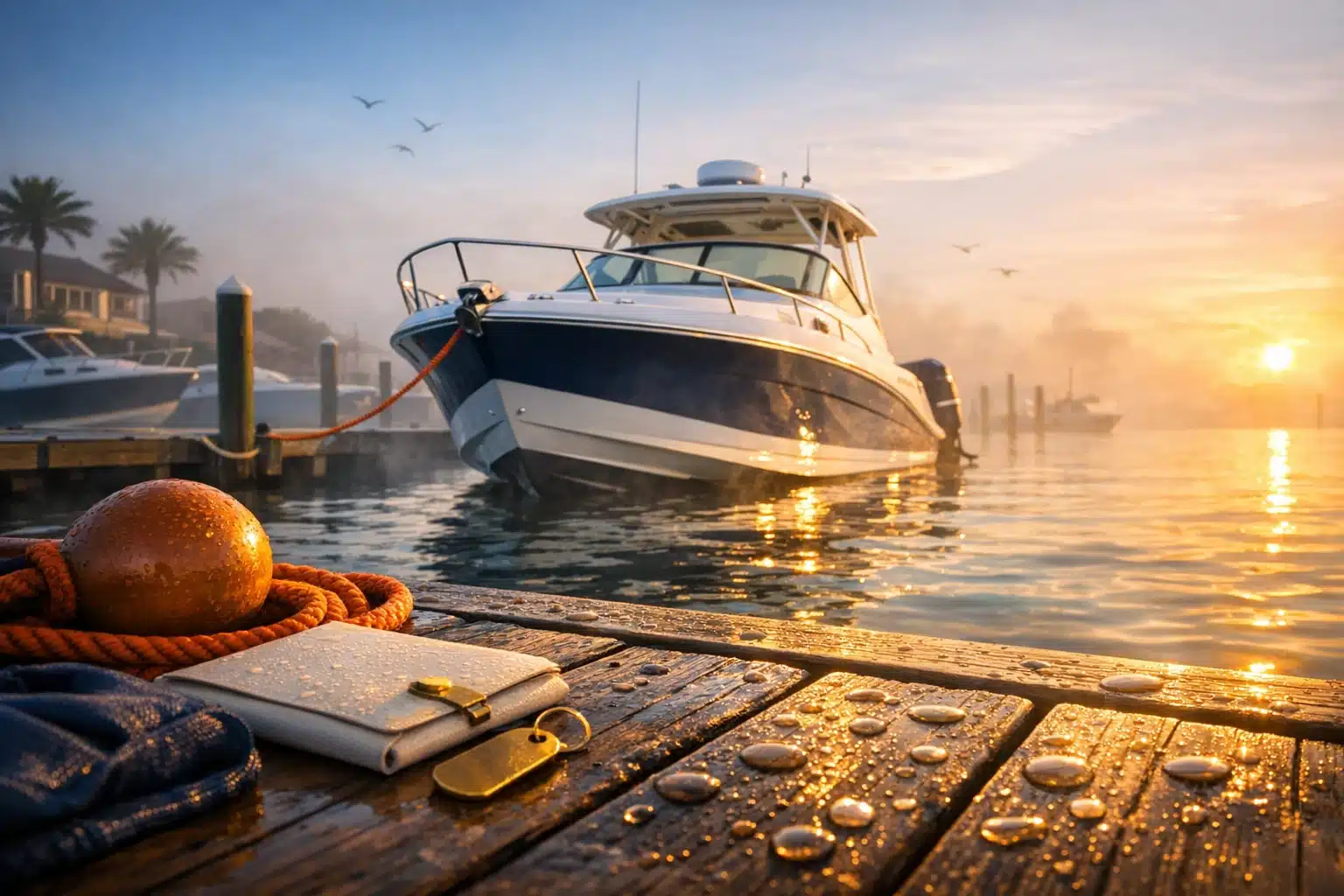
A Practical Guide to Seized Boat Auctions
Introduction and Article Outline
Seized boat auctions sit at an unusual crossroads of opportunity, risk, and paperwork, making them worth understanding before you ever raise a paddle or click a bid button. Buyers are often drawn by prices that can fall below standard retail, yet the real story includes title checks, inspection limits, transport costs, and repair surprises. For first-time shoppers, the process can feel like stepping onto a foggy dock before sunrise. This guide clears the mist by showing how these auctions work, what careful bidders look for, and where expensive mistakes usually begin.
Interest in seized boat auctions has grown for practical reasons. New boats have become more expensive, used inventory can be uneven in quality, and many buyers want a lower-cost way to enter boating without paying full dealership pricing. Auctions sometimes provide that opening. Banks may liquidate repossessed vessels after loan defaults. Government agencies may auction boats that were impounded, abandoned, forfeited, or unclaimed. Marinas may dispose of boats tied to unpaid storage or dockage fees, depending on local law. Each path creates a different paper trail, a different risk profile, and a different kind of bargain.
That last word matters. A bargain at auction is not simply a low opening bid. A good deal is the total cost of ownership after fees, transport, registration, maintenance, insurance, and repairs are counted. A neglected center console sold cheaply can become costly if the trailer is unusable, the outboard has corrosion, or the title transfer is delayed. On the other hand, a clean repossessed runabout with recent service records can quietly become one of the most efficient entries into boating. The difference often comes down to preparation.
This article follows a practical outline:
• how seized boat auctions work and where inventory comes from
• how to inspect boats and estimate value when information is limited
• how to bid with discipline and avoid emotional overspending
• what happens after you win, from paperwork to transport to repair planning
The goal is simple: to help readers think like informed buyers rather than treasure hunters. There is romance in the idea of finding a boat at a steep discount, but the best auction decisions are built on calm math, careful reading, and realistic expectations. If you can bring those habits to the dock, seized boat auctions become easier to evaluate and much less intimidating.
How Seized Boat Auctions Work and Why Boats End Up There
Seized boat auctions are not one single market. They are a patchwork of sale channels created by different legal and financial events. Some boats are repossessed after missed loan payments. Others are impounded by customs, police, or tax authorities. Some are abandoned at marinas and eventually sold to recover unpaid fees, while others may come from bankruptcy proceedings or insurance-related recoveries. That means the label seized can describe several very different stories, and those stories affect condition, documentation, and buyer confidence.
The source of the boat usually shapes the auction process. Government auctions often focus on clearing inventory efficiently, not maximizing showroom-style presentation. Listings may be brief, photos may be limited, and inspection windows may be narrow. Bank or lender auctions may offer slightly better documentation, especially when the vessel came from a financed recreational purchase with a more traceable ownership history. Marina lien sales can be appealing on price, but buyers need extra care because unpaid fees, missing keys, water exposure, or long periods of neglect are common possibilities.
In practical terms, auctions tend to follow a few common formats:
• live in-person auctions, where bidding happens on site and the pace can be fast
• online timed auctions, where bidders enter offers over several days
• sealed bid processes, where the highest acceptable bid wins without open back-and-forth
• hybrid formats, where preview happens in person and bidding closes online
Most vessels are sold as is, where is. That short phrase carries a lot of weight. It generally means the seller offers no guarantee on engine condition, electronics, trailer roadworthiness, cosmetic issues, missing gear, or even completeness. You may be buying a boat that starts and runs, or one that has not touched open water in months or years. In many auctions, refunds are rare or unavailable once the sale is final.
Price expectations are another area where newcomers need balance. Auction listings can appear much cheaper than dealer inventory or private-sale asking prices, sometimes by a meaningful margin, especially for older vessels or boats with uncertain condition. But the gap narrows quickly when buyers add buyer’s premiums, taxes, transport, storage, batteries, safety equipment, detailing, trailer tires, fuel system work, and marine survey costs. A boat listed at a strikingly low price may still end up near ordinary market value after the dust settles.
There is also a timing advantage in this market. Sellers want turnover. A marina does not want an abandoned hull occupying space. A lender does not want a repossessed asset aging in storage. A public agency often wants administrative closure. That urgency can create opportunity, but it also explains why listings may feel rough around the edges. Seized boat auctions reward buyers who can see past the noise, separate procedural urgency from actual value, and understand that every cheap-looking vessel comes with a question mark attached.
Evaluating a Seized Boat Before You Bid
If auction day is the splash of drama, evaluation is the quiet work that makes drama unnecessary. This is where good buyers earn their advantage. Unlike a dealership purchase, a seized boat auction rarely gives you a polished walkaround, a trial run, and a folder of maintenance records tied up in a neat bow. You may get a short preview window, basic photos, and a listing description that says less than you wish it did. That is not a reason to avoid the auction. It is a reason to inspect with purpose.
Start with identity and paperwork. Confirm the hull identification number, often called the HIN, and match it to the listing. Ask what title documents are available, whether there are outstanding liens, and whether the trailer has separate registration or title requirements. In many jurisdictions, the boat and trailer are treated as different assets. Winning one does not automatically solve the paperwork for the other. If the seller cannot clearly explain transfer documents, slow down.
Condition comes next. A quick visual scan can reveal a lot:
• faded gelcoat may be cosmetic, but cracks near stress points deserve attention
• standing water inside the hull can hint at neglect, leaks, or failed drains
• corrosion around an outboard, wiring, and fittings is especially important on saltwater boats
• mold, torn upholstery, and missing cushions suggest storage problems, but also future spending
• soft decking may point to moisture intrusion, which can become a structural repair
Engines are the great swing factor in auction value. A well-kept motor can rescue an average-looking boat. A damaged motor can sink the economics of an otherwise attractive package. Look for service stickers, hour meter readings if available, propeller damage, fluid leaks, cracked hoses, and signs of improper winterization. If an inspection period allows it, a mechanic or marine surveyor can be money well spent. Even a limited survey is often cheaper than discovering serious transom rot or a non-functional lower unit after payment is complete.
Then comes the budget reality check. Buyers often focus on hammer price and forget the chain of follow-up costs. A simple example shows why restraint matters. Imagine a boat won for 9,000 dollars. Add a 10 percent buyer’s premium, sales tax where applicable, a trailer service, battery replacement, impeller service, registration fees, and transport from the storage yard. Suddenly the real entry cost may be several thousand dollars higher. If the electronics are outdated or the upholstery needs work, the total rises again.
Finally, compare the auction boat against ordinary market alternatives. Look at similar models listed by private sellers, dealers, and marine marketplaces. Compare age, engine hours, trailer inclusion, maintenance history, and visible equipment. A smart bidder does not ask, Is this cheap? The better question is, Is this cheaper than a comparable boat after I correct for uncertainty? That small change in thinking helps buyers avoid being dazzled by low opening bids and instead focus on practical value.
Bidding Strategy, Fees, and Common Mistakes to Avoid
Auction bidding has a rhythm of its own. Screens refresh, auctioneers move quickly, and a low current price can trigger the dangerous feeling that you are one bold click away from a steal. That is exactly when discipline matters most. Winning a seized boat auction is not about being the most excited person in the room. It is about being the buyer who already decided the maximum acceptable total cost before the countdown started.
The first rule is to work backward from your true budget. Start with the amount you can comfortably spend, then subtract the likely extras: buyer’s premium, taxes, registration, transport, initial service, mandatory safety gear, and a repair reserve. Only after those items are accounted for should you decide your maximum bid. Many auction platforms charge a premium that can range meaningfully depending on the seller, so a boat won at 12,000 dollars may really cost much more by the time paperwork is signed.
Different auction sources call for different strategies. Government auctions can offer unusual opportunities, but listings may be sparse, so your uncertainty buffer should be larger. Bank repossessions may be a bit easier to value if the vessel appears to have followed a conventional ownership path. Marina and storage lien sales can be tempting because opening bids may be low, but they deserve extra caution due to neglect, missing equipment, and unknown downtime. In plain language, the more uncertain the history, the lower your bid ceiling should be.
Useful bidding habits include:
• set a maximum number in writing before the auction starts
• avoid raising your bid just because another bidder seems confident
• read removal deadlines, storage charges, and payment terms carefully
• know whether deposits are refundable if title problems arise
• factor in how hard the boat will be to move if it has no working trailer
One common mistake is confusing competition with validation. Two or three active bidders do not prove a boat is worth the price being reached. They only prove several people want it. Another mistake is assuming cosmetic cleanliness equals mechanical health. A washed deck and shiny photos can distract from compression issues, wiring corrosion, or transom concerns. A third mistake is ignoring local logistics. A boat stored several states away can become far more expensive once towing, yard access, and scheduling are added.
There is also a psychological trap worth naming: the rescue fantasy. Some buyers fall in love with the idea of saving a forgotten vessel, imagining summer sunsets before they have priced fuel lines, tire replacement, steering repair, and title transfer. That dream is not foolish, but it should not drive the numbers. The best bidding strategy is almost boring. It is a checklist, a ceiling, a pause before each decision, and the willingness to walk away. At auction, the money you do not overspend is part of the value you bring home.
After the Win: Paperwork, Transport, Repairs, and a Realistic Conclusion
Winning the bid is not the end of the process. In many ways, it is the beginning of the part that determines whether the purchase was genuinely smart. Once the auction closes, buyers usually face a short payment deadline, strict removal requirements, and a list of administrative tasks that can feel less glamorous than the boat itself. Still, this is the stage where a questionable purchase can be stabilized through good planning, or where a promising deal can unravel through delay and assumption.
Start with documents. Confirm that you receive the bill of sale, title or title transfer paperwork where applicable, lien release if required, and any trailer documentation. Rules vary by state and country, so registration offices may require tax forms, hull identification verification, or separate steps for the trailer. If the boat came through a government or lien sale, ask what additional proof of legal transfer is normally provided. It is easier to solve paperwork questions before removal than after the boat is parked in your driveway.
Transport is often the first real test of readiness. If the trailer is included, inspect tires, lights, hubs, winch strap, safety chains, and bearings before assuming it can handle a long trip. If there is no usable trailer, get quotes from marine transporters early. Storage yards and auction facilities may charge daily fees after a pickup deadline, and those fees can quietly erode the value of the purchase. Insurance is another early step. Some buyers wait too long, only to discover they need coverage before moving or mooring the vessel.
Next comes the first-round recovery plan:
• deep cleaning to expose hidden wear, leaks, or missing hardware
• battery and electrical checks before testing electronics
• fuel system inspection, especially on boats that sat idle
• engine service, impeller review, and fluid replacement as preventive maintenance
• safety gear replacement, including life jackets, fire extinguisher, signaling devices, and lines
At this stage, patience pays off. A seized boat often reveals itself in layers. The first wash tells you about cosmetics. The first systems check tells you about electrical health. The first sea trial, ideally after basic service, tells you what the boat really wants from your wallet. Some buyers discover they acquired a perfectly workable family runabout with minor cleanup needs. Others find a project boat that only makes sense if they enjoy restoration and already budgeted for it.
For the target audience most drawn to seized boat auctions, the conclusion is clear. These sales can be worthwhile for practical, patient buyers who do not confuse a low bid with a low total cost. If you are comfortable researching documents, comparing market values, arranging inspections, and walking away from bad fits, auctions can open the door to solid ownership at a favorable price. If you need certainty, warranty support, or instant time on the water, a dealer or conventional private sale may fit better. The best auction purchase is not the boat with the most dramatic story. It is the one whose numbers, condition, and paperwork still make sense after the excitement is gone.