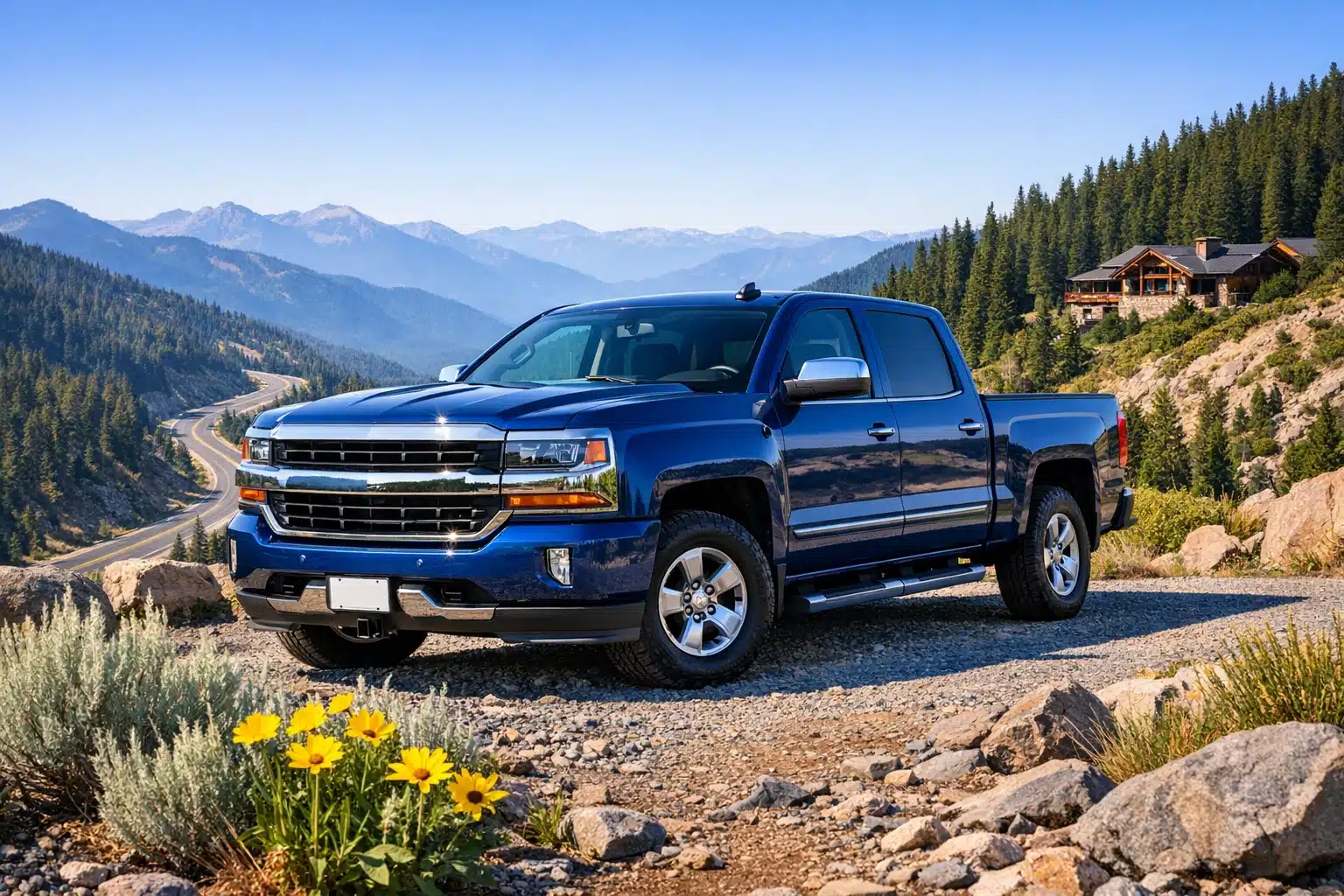
 Artificially generated image
 CarMax Ford F-150 Clearance: What Shoppers Should Know
Shopping for a CarMax Ford F-150 clearance deal sounds easy until you see how much cab style, mileage, trim, drivetrain, and maintenance history can change the real value of a truck. A lower asking price may reflect age or wear, while a higher one can make sense because of cleaner records and stronger equipment. This guide helps you read past the headline price and choose with more confidence.
Outline: How to Approach a CarMax Ford F-150 Clearance Search
The Ford F-150 matters because it sits at the center of a huge part of the used-truck market. It serves contractors, weekend haulers, families with trailers, and drivers who simply prefer the commanding view of a full-size pickup. That wide appeal creates a busy market, and a busy market creates confusion. When a shopper sees the word clearance attached to a CarMax listing, the assumption is often simple: lower price equals better deal. In reality, the smarter question is whether the truck matches the job, the budget, and the ownership timeline.
This article is organized to help buyers move in the right order instead of jumping straight to the monthly payment. A strong buying process usually starts with understanding what the seller means by clearance, then moves to configuration, condition, and total cost. Think of it like walking around a truck before opening the door. The exterior catches your eye first, but the useful answers are usually waiting underneath the surface.
- First, we will define what clearance usually means in a used-vehicle setting at CarMax.
- Next, we will compare F-150 trims, cab layouts, powertrains, and packages that influence price and usefulness.
- Then, we will examine how to judge condition, ownership costs, and whether a lower price truly saves money.
- Finally, we will close with a practical buying strategy for shoppers who want less guesswork and fewer regrets.
This topic is especially relevant now because truck prices remain sensitive to supply, financing rates, and regional demand. A four-wheel-drive F-150 may command more attention in snow-heavy states, while a two-wheel-drive truck may be priced more aggressively in areas where buyers prioritize towing value over winter traction. Features such as a crew cab, off-road package, larger infotainment screen, or leather interior can widen the price gap fast. Even bed length affects usefulness and resale. A truck that looks perfect for one buyer may be wrong for another, even if both are staring at the same listing.
That is why a detailed guide matters. The goal is not to tell every shopper to buy the cheapest F-150 available or to assume that the highest trim is automatically worth the premium. The real goal is to understand why one truck is priced the way it is, what you are actually getting, and which trade-offs are reasonable for your needs. Once those pieces are clear, a clearance listing becomes less of a gamble and more of a decision you can explain to yourself long after the excitement of the search fades.
What “Clearance” Usually Means at CarMax
In a traditional new-car environment, clearance often suggests factory-backed incentives, model-year sell-down events, bonus rebates, or dealer pressure to remove aging inventory from the lot. With CarMax, the picture is usually different. CarMax is known for used vehicles and a no-haggle pricing model, so the word clearance should not automatically be read as the equivalent of a brand-new dealer blowout. In many cases, shoppers use the term informally to describe older model years, recent price reductions, high-mileage trucks, or vehicles that appear attractively priced compared with similar listings.
That distinction matters because used-truck pricing responds to different forces. A discounted F-150 at CarMax may be priced lower for reasons that have nothing to do with a seasonal sales event. It may have more miles than competing trucks, a less popular configuration, fewer premium options, or cosmetic wear that narrows its audience. It could also reflect broader market patterns, such as softer demand for a two-wheel-drive truck in a region where most buyers want four-wheel drive.
Some common reasons a CarMax F-150 may appear in a shopper’s mental “clearance” bucket include:
- Older model year compared with nearby listings
- Higher mileage relative to similar trims
- Work-truck specifications such as vinyl seats or fewer convenience features
- Less popular color combinations or wheel designs
- Previous price reductions over time
- Configuration mismatch for the local market, such as long-bed or two-wheel-drive models
None of those factors automatically make a truck a bad purchase. In fact, some of them can create real opportunities. A buyer who wants a durable truck for home-improvement runs may save money by skipping chrome packages, panoramic roofs, or premium audio. A long-bed work truck may sit longer because it is less convenient in tight urban parking, yet it can be exactly the right tool for someone carrying ladders, sheet goods, or equipment. This is where shopping discipline starts to pay off.
It is also worth noting that CarMax’s pricing model can be convenient even when it is not the absolute lowest in the market. Buyers often value the easier browsing process, standardized presentation, and the ability to compare multiple trucks without a negotiation marathon. However, convenience should not replace comparison. A well-priced F-150 at CarMax may still cost more than a private-party sale, while offering a different level of process, financing access, and purchase structure. Clearance, then, is best understood as a signal to investigate, not a verdict to trust blindly.
How F-150 Configurations, Trims, and Powertrains Change the Deal
One reason F-150 shopping can feel overwhelming is that two trucks with the same badge can serve completely different lives. One is a stripped-down tool for daily work. Another is a family road-trip machine with leather, large screens, driver-assistance features, and enough cabin space to make some SUVs nervous. When you compare CarMax listings, the biggest price differences are often tied to configuration rather than simple age.
Start with the body style. A regular cab generally costs less and fits buyers who prioritize price and bed utility over passenger room. A SuperCab offers a compromise with occasional rear seating. A SuperCrew usually commands the strongest demand because it delivers full-size rear-seat space, making the truck more practical for families, crews, and longer drives. Bed length matters too. Shorter beds are easier to live with in suburban parking lots, while longer beds are valuable for work duties but can shrink the pool of interested buyers.
Then comes trim level. An XL or basic XLT may be the value target for a buyer who wants mechanical usefulness over appearance. Higher trims such as Lariat, King Ranch, Platinum, or Limited can add comfort and technology, but they also increase purchase price and sometimes future repair costs. The same applies to drivetrain and engine choice. Depending on model year, you may see a naturally aspirated V8, turbocharged EcoBoost V6 options, or a hybrid setup. Each appeals to a different shopper.
- Value-focused buyers often look at XL or XLT trims with practical equipment.
- Towing-focused buyers should verify the exact engine, axle ratio, tow package, and hitch setup.
- Comfort-focused buyers may prefer a SuperCrew with higher trim features and newer safety tech.
This is where broad claims can mislead. There is no universally best F-150 engine or trim. A 2.7-liter EcoBoost may appeal to someone who wants solid everyday drivability and reasonable efficiency. A 3.5-liter EcoBoost may suit buyers chasing stronger towing performance. A 5.0-liter V8 still attracts people who prefer its character and familiar feel. Hybrid versions can be compelling for some users, especially if the equipment matches their routine, but pricing may be higher.
Capabilities also vary more than many shoppers expect. Depending on configuration, an F-150’s towing capacity can range from modest utility levels to well over 10,000 pounds, and in some properly equipped versions beyond that. Payload can also swing dramatically. That is why the smart buyer checks the actual truck, not just the model name. A clearance-priced F-150 that cannot handle your trailer is not a bargain. It is merely an expensive delay in disguise.
How to Judge Price, Condition, and Long-Term Ownership Cost
A lower listing price gets attention, but condition is what determines whether the savings are real. This is especially true with used trucks, because trucks tend to live harder lives than many passenger cars. Some spend years towing, hauling, idling on job sites, or facing rough pavement and poor weather. Others are used gently and serviced on schedule. From ten feet away, both can look equally polished under dealership lights. The closer evaluation is where the difference shows up.
Start with the service record and vehicle history information if available. Look for signs of consistent maintenance rather than magical perfection. Routine oil changes, tire rotations, brake work, and transmission or differential servicing matter because trucks are often asked to carry real weight. Next, inspect the body and undercarriage. Surface scratches in the bed may be normal for a truck, but rust underneath, uneven panel gaps, or suspicious paint variation deserve more attention. On a test drive, listen for clunks over bumps, feel for vibration at highway speed, and check whether the transmission shifts smoothly.
Common areas worth evaluating include:
- Tire condition and matching tire brands across all four corners
- Brake feel, rotor vibration, and pedal response
- Signs of off-road abuse under the front end or skid areas
- Bed wear, hitch wear, and trailer wiring condition
- Leaks, odors, warning lights, and abnormal startup sounds
Ownership cost is the next layer. Full-size trucks can be expensive to run even when the purchase price looks fair. Tires for an F-150 can cost significantly more than tires for a midsize sedan, and higher trims with larger wheels may raise that bill again. Fuel economy varies by engine, drivetrain, and use case, with some configurations living in the teens while others perform more efficiently in mixed driving. Insurance premiums can also rise with trim value, repair complexity, and local theft patterns.
Financing deserves a calm look as well. A slightly cheaper truck financed at a less favorable rate may end up costing more than a somewhat pricier example with better terms or fewer near-term maintenance needs. Buyers should also account for registration, taxes, possible transfer fees if a vehicle is moved from another location, and optional protection products only if they truly fit the plan. The big lesson is simple: the best clearance-style find is not just the truck with the smallest sticker. It is the one whose price, condition, and future costs stay in balance after the excitement wears off.
Smart Buying Strategy and Final Takeaway for CarMax F-150 Shoppers
If you are serious about buying a CarMax Ford F-150, the smartest approach is to treat the search like a filtering exercise rather than a race. Start by defining the truck’s job in plain language. Will it tow a camper a few times a year, carry tools every weekday, transport a family of five, or simply handle occasional home projects? Once that purpose is clear, many tempting but unnecessary listings fall away on their own. A bargain that does the wrong job is still the wrong truck.
Next, set three boundaries before you shop: maximum purchase budget, maximum all-in monthly cost, and minimum required capability. That third number gets overlooked all the time. Buyers know what they want to spend, but not always what they need the truck to do. If your trailer, cargo, or passenger needs are fixed, use those numbers to rule out unsuitable configurations early. Then compare several F-150 listings side by side, not just one against your hopes.
- Confirm cab style, bed length, drivetrain, and engine before getting attached.
- Read the equipment list carefully for towing and safety features.
- Review history details and inspect condition with patience.
- Test drive at city speeds and highway speeds if possible.
- Verify current store policies, return options, and available service plans directly with CarMax.
It also helps to keep emotions on a short leash. Trucks are easy to romanticize. A lifted stance, big wheels, or a premium trim can make a buyer feel like they are upgrading their whole lifestyle in one swipe of a signature. Sometimes that is fine. Sometimes it is a costly detour away from the original goal. The best F-150 purchase is often the one that looks a little less glamorous on day one and a lot more sensible six months later.
For the target audience here, whether you are a first-time truck buyer, a commuter moving up from a crossover, a contractor replacing an older pickup, or a family needing towing flexibility, the conclusion is practical. CarMax can be a useful place to compare Ford F-150 inventory, but the word clearance should trigger analysis, not automatic trust. Focus on fit, condition, and total cost. When those three line up, you are not just finding a lower-priced truck. You are finding one that makes sense for the way you actually live and drive.