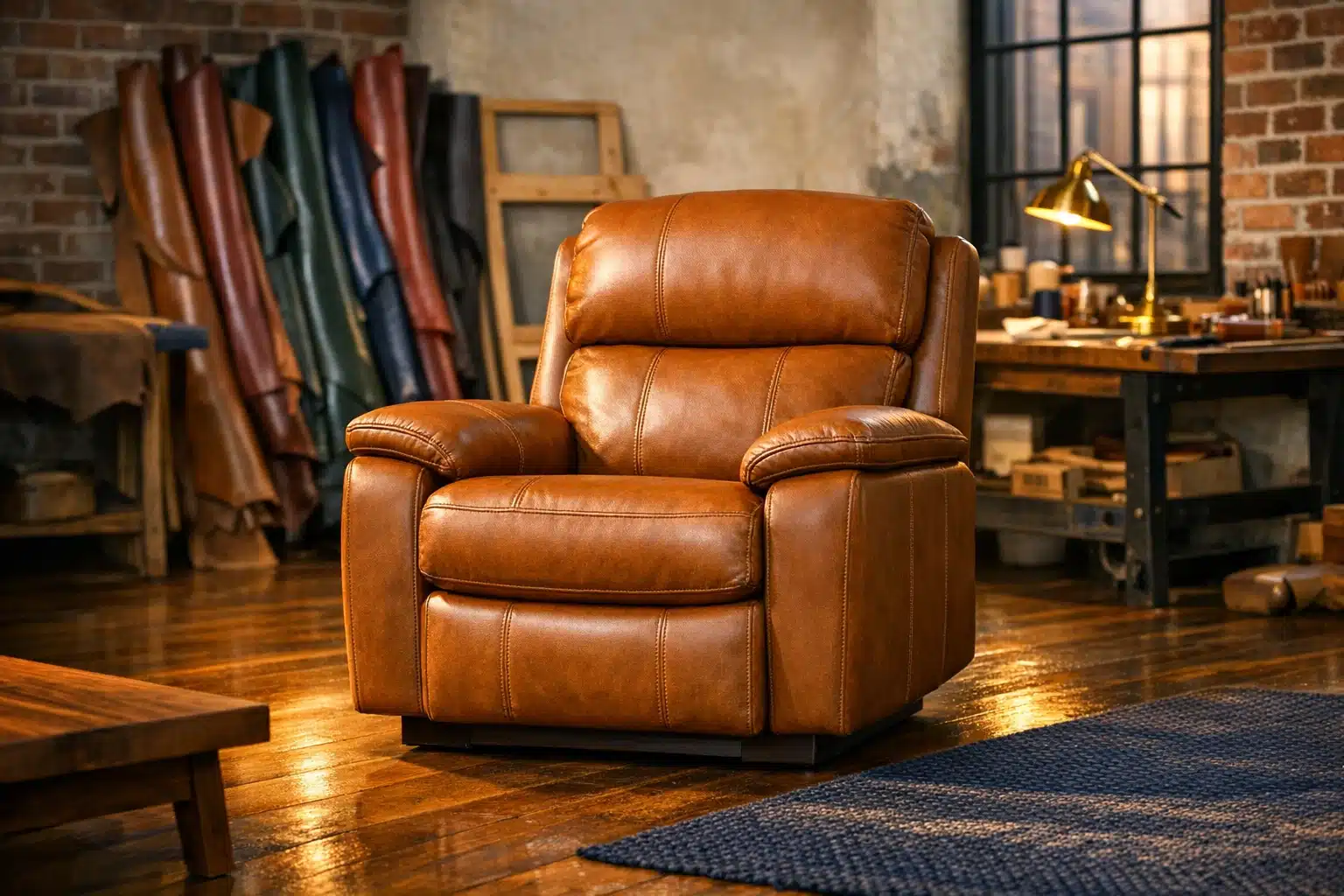
 Artificially generated image
 Closeout Leather Recliners: How to Find Quality and Value
Closeout leather recliners sit at an interesting crossroads: they offer the inviting look of premium seating while dangling prices that are often far lower than regular showroom tags. That blend of comfort and savings makes them highly relevant for homeowners, renters, and anyone furnishing a living space on a budget. A closeout can be an excellent purchase, but only when you know how to assess leather quality, frame strength, motion hardware, and store terms before the chair becomes part of your daily routine.
Outline and Overview: Why Closeout Leather Recliners Deserve a Closer Look
Before diving into materials and mechanics, it helps to understand why closeout leather recliners attract so much attention. A recliner is rarely an impulse item in the long run, even if it is bought in a hurry. It becomes the seat where people read, nap, watch films, recover from long workdays, or simply claim a quiet corner of the room. Because it gets frequent use, the gap between a good purchase and a disappointing one can become obvious within months.
A closeout item usually means a retailer is clearing inventory rather than suggesting there is something inherently wrong with the chair. Common reasons include a discontinued collection, a seasonal refresh, an overstock situation, a change in floor layout, or a manufacturer replacing one model with another that looks only slightly different. In practical terms, that can create a useful opportunity. A recliner that once sat in a higher price bracket may suddenly fall within reach of shoppers who otherwise would have settled for a lower-grade synthetic alternative.
This article follows a simple roadmap so readers can evaluate bargains with more confidence:
- what “closeout” really means and how it differs from a damaged or returned product
- how to judge the leather itself, including common grades and finishes
- which hidden construction details determine comfort and lifespan
- how to compare closeout pricing against regular retail offers and future maintenance costs
- where to shop, what to inspect, and how to decide when a deal is truly worth taking
That structure matters because furniture discounts can be emotionally persuasive. A bright sale sign tends to speak first, while the boring but important details speak later. Yet those quieter details decide whether a recliner ages gracefully or starts cracking, wobbling, or sagging far sooner than expected. When buyers understand the logic behind closeouts, they are less likely to confuse urgency with value. Instead of asking only, “How much is this off?” they begin asking, “What am I actually getting for the price?” That change in mindset is the real beginning of a smart furniture purchase.
Understanding Leather Quality: The Material Behind the Price Tag
If closeout pricing is the hook, leather quality is the test. Many shoppers see the word “leather” and assume a premium experience, but upholstery labels can describe very different materials. In broad terms, full-grain and top-grain leather are generally considered stronger and more desirable than corrected grain, split leather, or bonded leather. Full-grain retains the natural surface and often develops character over time. Top-grain is sanded and refined for a more uniform look while still offering solid durability. Bonded leather, by contrast, contains leather fibers mixed with other materials and tends to sit at the lower end of the durability scale.
That distinction matters even more in closeout shopping because discounts can make different categories appear deceptively close in price. For example, a bonded leather recliner reduced from a moderate list price may still be a weaker value than a top-grain model on deeper clearance. The price tag alone does not reveal that difference. A better approach is to ask what parts of the chair are leather, which surfaces use matching materials, and how the upholstery is expected to wear in high-contact areas such as the seat, arms, headrest, and footrest.
Shoppers should also pay attention to finish and texture. Pigmented leather tends to be more stain-resistant and uniform, which suits busy households. Aniline leather often looks rich and natural but can be more vulnerable to sunlight, spills, and scratches. Neither is automatically “better” for every home. A family room with pets, children, or heavy daily use may benefit from a finish that prioritizes resilience over a delicate showroom look.
Useful questions to ask include:
- Is the recliner upholstered in full leather, or only on the main seating surfaces?
- What grade of leather is used on the seat and back cushions?
- Has the piece been sitting as a floor model, and if so, for how long?
- Are there visible signs of dryness, color inconsistency, cracking, or peeling?
Leather should feel substantial, not paper-thin or plastic-like. Mild natural variation is not a flaw; in many cases, it is evidence that the material is less artificial and more authentic. At the same time, closeout buyers should avoid romanticizing every imperfection. A handsome patina is different from damage. Think of the recliner as a well-worn leather jacket: character is welcome, but structural weakness is not. A careful touch, a close visual inspection, and a willingness to ask specific questions can reveal far more than a sale placard ever will.
Beyond Upholstery: Frame Strength, Cushioning, and Reclining Mechanisms
The leather may get the spotlight, but the internal build decides whether a recliner remains supportive after years of daily use. A closeout chair can look impressive from across the room and still disappoint if the frame is weak, the cushions are underfilled, or the reclining hardware feels loose. This is where smart shoppers separate surface appeal from actual performance.
Start with the frame. Hardwood or quality engineered wood can offer durable support when properly constructed, while lighter materials may flex more under weight over time. Corner blocks, reinforced joints, and solid attachment points matter because a recliner is not static furniture. It shifts, leans, extends, and absorbs repeated motion. Every movie night, afternoon nap, or quick lean-back to answer the phone creates mechanical stress. If the chair creaks loudly in the store or rocks unevenly, that should not be dismissed as a harmless quirk.
Cushions deserve equal attention. High-density foam generally holds shape better than cheaper fills, though comfort depends on the combination of foam, fiber wrapping, springs, or webbing beneath it. A plush seat can feel wonderful for five minutes and unsupportive after thirty. Try the recliner in both upright and reclined positions. Notice whether the lumbar area feels supported, whether the headrest aligns naturally, and whether the footrest extends comfortably for your height. A recliner that fits one person perfectly can feel awkward to another, especially in households with different body sizes.
Mechanisms vary as well. Manual recliners often have fewer electrical components and can be simpler to maintain. Power recliners add convenience, smoother adjustment, and sometimes extras like USB ports or adjustable headrests, but repairs may be more expensive if motors or switches fail outside warranty coverage. Closeout shoppers should ask whether replacement parts remain available.
Key construction checkpoints include:
- frame stability when you sit down and shift your weight
- smooth movement when opening and closing the recliner
- seat cushions that rebound instead of staying compressed
- tight, even stitching around high-stress seams
- balanced arm height and solid footrest alignment
A good recliner should feel calm beneath you. Not dramatic, not noisy, not uncertain. It should operate with the kind of confidence that disappears into everyday life, because the best furniture often becomes invisible in the best sense: it works so well that you stop thinking about it. Closeout pricing does not need to mean compromised engineering, but it does require a sharper inspection. If the bones are strong, the savings may be genuine. If the structure feels tired, the discount may simply be camouflage.
The Economics of a Closeout: Pricing, Discounts, Hidden Costs, and Value Comparisons
One of the biggest reasons shoppers pursue closeout leather recliners is the possibility of saving hundreds of dollars. In many retail settings, a genuine leather recliner can range from roughly several hundred dollars at the entry level to well above two thousand dollars for larger or feature-rich models. Closeout markdowns often fall somewhere in the 20 to 50 percent range, though the exact number varies by retailer, condition, and inventory pressure. Those figures can sound dramatic, but discount percentages tell only part of the story.
The most important economic question is not “How much did it cost before?” but “How much value will it provide over time?” A recliner that sells for less upfront but wears out quickly can become more expensive per year of use than a sturdier chair bought at a modest discount. This is especially true when repairs, reupholstery, delivery fees, or warranty gaps enter the picture. Some closeout deals are final sale, which shifts more risk to the buyer. Others exclude returns on floor samples or provide limited exchange windows.
When comparing options, break the numbers into practical categories:
- base price after all discounts
- delivery, assembly, and removal fees
- sales tax and optional protection plans
- expected lifespan based on material quality and build
- maintenance needs such as leather conditioner or part replacement
For instance, a lower-priced closeout recliner with bonded upholstery and thin cushions may look attractive at checkout, but if it peels or loses support within a few years, the bargain weakens. A slightly costlier top-grain closeout with a stronger frame may offer better long-term value, even if the initial savings percentage looks smaller. In other words, the better deal is not always the one with the loudest markdown.
There is also the matter of comparison shopping. Look at similar recliners across warehouse clubs, local furniture outlets, independent showrooms, and online clearance pages. Compare material descriptions line by line rather than relying on category names alone. “Leather match” and “genuine leather” may sound reassuring, yet they can describe different constructions with different wear expectations.
A useful rule is to think in layers: price, condition, durability, policy, and comfort. When all five line up, a closeout is more than a discount; it becomes a rational purchase. When only the price looks appealing, caution is wise. Furniture stores know that a recliner invites the imagination. Buyers picture cozy evenings and lazy Sundays. The numbers should earn that daydream, not simply decorate it.
Where to Shop, What to Inspect, and Final Advice for Value-Focused Buyers
Once you understand materials and pricing, the final step is knowing how to shop with discipline. Closeout leather recliners can appear in several places: local furniture clearance centers, department store furniture galleries, outlet branches, warehouse sales, online overstock sections, and floor-model events. Each source comes with trade-offs. Local shopping lets you test comfort and examine wear in person. Online clearance may provide broader selection, but color accuracy, firmness, and surface condition can be harder to judge from photos alone.
If you are shopping in person, inspect the recliner slowly. Sit in it as you normally would, then as you would after a long day. Open the footrest, close it, lean back fully, and listen. Leather should not show unusual splitting at the seams, and the base should not wobble when weight shifts from side to side. Ask whether the chair is factory-sealed, warehouse stored, customer returned, or a floor sample that has been handled for months. These differences affect value in ways a simple clearance sticker does not explain.
A practical inspection list helps keep emotion in check:
- check every visible seam, especially on the arms and seat edges
- confirm the leather type in writing on the invoice or product description
- test the reclining action more than once, including the locked upright position
- ask about return rules, warranty coverage, and service availability for parts
- measure doorways, stairwells, and room dimensions before paying
- look for odor, fading, scratches, or cushion flattening on floor models
For online buyers, request additional photos of the back, underside, and close-up upholstery texture when possible. Review freight terms carefully. A large recliner that arrives damaged can become an expensive headache if return shipping is restrictive. Reading policy language may not be glamorous, but it protects the very savings that attracted you in the first place.
Here is the central takeaway for the target audience, especially budget-conscious households, first-time furniture buyers, and anyone upgrading a living room without wanting to overspend: a closeout leather recliner is worth buying when the discount is supported by clear material quality, dependable construction, and fair store terms. It is not worth buying simply because the markdown looks impressive. The right chair will feel comfortable today, remain supportive later, and fit your space, habits, and maintenance tolerance. In the end, the best closeout purchase is not the one that seems cheapest under bright store lighting. It is the one that still feels like a wise decision after the receipt is forgotten and the recliner becomes part of everyday life.