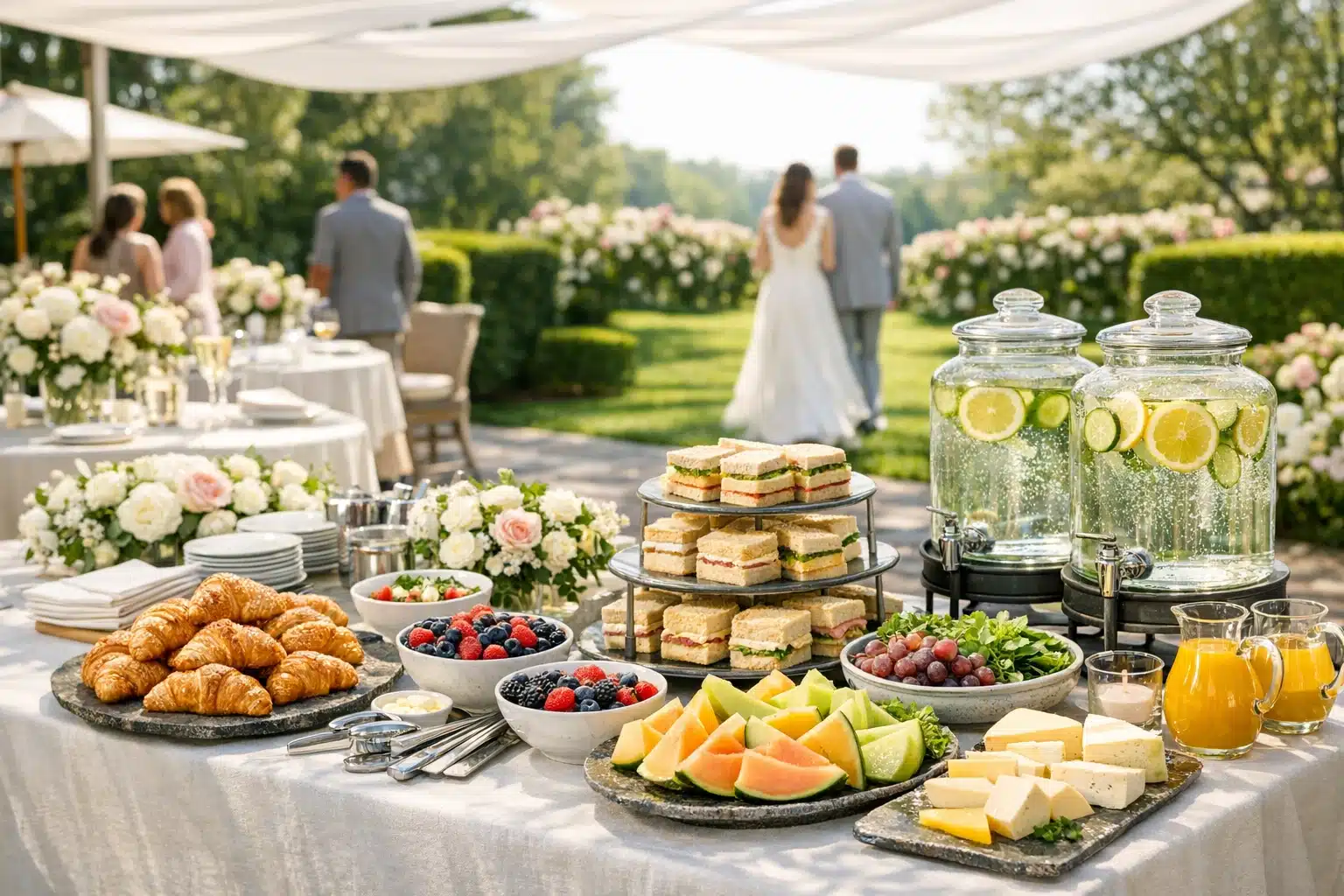
 Artificially generated image
 Costco Wedding Buffet: Planning Tips, Menu Ideas, and Budget Considerations
Outline and Introduction: Why a Costco Wedding Buffet Is Worth Considering
Wedding food often sets the tone long after the music fades, because guests remember whether the meal felt welcoming, organized, and easy to enjoy. For couples drawn to practical choices, a Costco-centered buffet can seem like a clever middle road between full-service catering and a purely homemade spread. It offers scale, recognizable crowd-pleasers, and bulk pricing, yet it also demands careful planning around transport, temperature control, staffing, and venue rules.
The appeal is easy to understand. Weddings are expensive, and the meal is one of the largest line items in almost any reception budget. A warehouse-based buffet can help couples feed a crowd without automatically moving into premium catering territory. That matters even more for backyard weddings, community hall receptions, afternoon celebrations, rehearsal dinners, or second receptions where guests expect abundant food but not necessarily plated service. Costco is especially useful because it sells in volume, carries many familiar party staples, and can reduce the number of separate shopping trips. At the same time, buying the food is only one part of the equation. The real question is whether the event can support the labor behind the buffet.
Article outline:
• First, decide whether a Costco buffet suits your wedding style, guest count, and venue.
• Next, build a menu that feels intentional rather than improvised.
• Then, compare total costs, not just food prices on the package.
• After that, plan logistics such as storage, transport, serving equipment, and food safety.
• Finally, weigh the advantages and trade-offs so you can choose with open eyes.
This topic is relevant because many couples now want celebrations that feel warm, social, and financially responsible. A Costco wedding buffet can support that goal, but only when the planning matches the scale of the day. Exact products differ by region, season, and local warehouse offerings, so the smartest approach is to treat Costco as a foundation rather than a magical one-stop answer. Think of it less as a shortcut and more as a toolkit. Used thoughtfully, it can help build a meal that is generous, familiar, and crowd-friendly. Used casually, it can create delays, empty platters, and a frantic cousin trying to refill pasta salad in formalwear.
Menu Ideas and Buffet Structure: Building a Spread That Feels Like a Wedding Meal
A successful Costco wedding buffet begins with structure, not shopping. Many couples make the mistake of buying individual items that seem affordable, only to discover that the final table looks random. Guests notice flow before they notice price. A buffet should read like a complete meal, with a clear opening, satisfying center, and easy finish. In practical terms, that means choosing a menu style first: brunch, lunch, hearty appetizer reception, or full dinner. Once you know the style, Costco becomes much easier to use because you can group products into roles rather than piles.
For a daytime wedding, lighter options often work best. Croissants, sandwich trays, fruit, cheese, greens, pasta salad, cookies, and sparkling water can create a polished lunch buffet with broad appeal. For an evening reception, couples usually need more substance. That may mean pairing sandwich platters or deli meats with added hot items from another source, or using Costco ingredients to build chafing-dish dishes such as baked pasta, meatballs, roasted vegetables, mashed potatoes, or carved rotisserie chicken portions. In some locations, prepared platters are available; in others, you will rely more heavily on bakery, produce, freezer, and deli sections. Availability should always be checked well in advance.
Common menu building blocks include:
• Starter items: fruit trays, vegetable trays, cheese, crackers, dips, shrimp cocktail where available.
• Main buffet anchors: sandwiches, wraps, chicken, pasta, meatballs, salads, soups, or taco components assembled from bulk ingredients.
• Side items: rolls, coleslaw, potato salad, grain salads, chips, or roasted vegetables.
• Dessert table additions: sheet cake, cookies, mini pastries, brownies, or berries.
• Beverage station: bottled water, iced tea, lemonade, soft drinks, coffee supplies, and ice.
Portion planning also matters. Event planners commonly estimate 6 to 8 appetizer pieces per person before a full meal, or 12 to 15 pieces if the reception is built around heavy hors d’oeuvres. For a buffet dinner, a practical baseline is one main protein portion plus two sides per guest, with extra bread and salad to support the table visually and nutritionally. If your guest list includes teenagers, athletes, or guests traveling from afar, appetite often climbs. If the wedding is midafternoon, consumption may be lower than at a long evening reception with dancing.
The best menus feel coherent. A Mediterranean-style spread with hummus, grilled chicken, pita, chopped salad, and baklava-inspired sweets will seem more intentional than a table mixing sushi, lasagna, muffins, and tortilla chips just because each item looked attractive in the aisle. A buffet should tell one story, even if that story is simple. Guests do not need luxury to feel cared for; they need a meal that makes sense, tastes fresh, and arrives without confusion.
Budget Considerations and Cost Comparisons: Where the Savings Are Real and Where They Disappear
The strongest argument for a Costco wedding buffet is cost control, but the real savings come from seeing the full picture. On a shelf label, bulk food often looks dramatically cheaper than traditional wedding catering. In many markets, a full-service caterer may charge roughly 40 to 120 dollars or more per guest once staffing, setup, serving equipment, taxes, and service fees are added. A Costco-led buffet can bring food costs much lower, often landing somewhere around 12 to 30 dollars per guest for the food itself depending on menu ambition, local pricing, and whether you are serving lunch or dinner. That sounds excellent, and sometimes it truly is. The catch is that food alone does not create a buffet.
Consider a sample wedding for 100 guests. A simple lunch spread built around sandwiches, salad, fruit, dessert, and drinks might cost around 800 to 1,400 dollars in groceries if the couple shops carefully and keeps the menu modest. A more substantial evening buffet with appetizer platters, multiple mains, desserts, beverages, and better presentation could move closer to 1,500 to 3,000 dollars before rentals or labor. Even at the high end of that range, it may still undercut full-service catering. However, the number becomes less dramatic once you add chafing dishes, serving utensils, linens, disposable or rental plates, cups, flatware, transport coolers, ice, and extra tables.
Hidden costs often include:
• Venue kitchen access fees or cleanup charges.
• Staff hired to set up, monitor the line, refill trays, and bus tables.
• Rentals for buffet tables, risers, warmers, and beverage dispensers.
• Last-minute grocery runs for ice, sauces, garnishes, and forgotten basics.
• Waste from overbuying because bulk packaging does not always match guest counts.
This is where comparison becomes useful. A restaurant drop-off order may cost more than a Costco-only shop, yet less than a formal caterer while reducing prep labor. Likewise, a hybrid model can be effective: buy desserts, drinks, charcuterie items, breakfast foods, or snack table supplies from Costco, then outsource hot entrees to a local caterer or restaurant. That approach protects the budget without asking family members to become unpaid banquet staff.
The smartest financial decision is not always the absolute cheapest line on paper. It is the option that fits the value of your time, the complexity of your venue, and the atmosphere you want guests to experience. Saving 2,000 dollars may be worthwhile if the plan is calm and realistic. Saving 2,000 dollars is far less attractive if it creates a six-hour setup scramble, cold food, and a wedding morning spent counting dinner rolls instead of getting ready.
Logistics, Quantities, and Service: The Operational Side Couples Cannot Ignore
If menu planning is the pretty sketch, logistics are the engineering underneath it. A Costco wedding buffet succeeds or fails on operations. Bulk food is helpful only when you can store it safely, move it efficiently, and serve it at the right temperature. That means the planning should begin with the venue, not the shopping cart. Ask whether there is refrigeration on site, how much table space is available, whether outside food is permitted, and whether the venue requires licensed vendors for hot service. Some locations welcome self-catered receptions; others allow only approved professionals. Those rules should be clear before anyone starts pricing croissant trays.
Food safety is central. Cold dishes should be held at 40 degrees Fahrenheit or below, while hot foods should be kept at 140 degrees Fahrenheit or above. A buffet line that sits too long in the middle temperature range can become unsafe, especially outdoors or in warm months. That is why a beautiful plan on paper may still need stern practical support: coolers, ice, insulated bags, chafing fuel, food thermometers, prep tables, and people assigned to monitor each station. Wedding attire is romantic; food handling is mechanical. Both must coexist.
Service planning should answer several questions:
• Who will pick up the order, and in what vehicles?
• Where will perishable items be stored overnight or the morning of the wedding?
• Who arranges platters, labels dishes, and refills the line?
• How will guests with dietary restrictions identify suitable choices?
• Who clears trash, resets drinks, and manages leftovers at the end?
Quantities deserve disciplined thinking. Couples often underestimate beverages, ice, and bread because those items feel secondary. In reality, drinks anchor comfort, and buffet tables look sparse when support items run low. If the reception lasts several hours, water access should be generous and obvious. Dessert timing matters too. Bringing everything out at once may reduce labor, but it can make pastries stale, cakes warm, and the main line look cluttered. Staggered service usually feels more intentional.
A simple staffing solution can transform the experience. Even for a casual wedding, one or two hired event assistants can be worth the expense. Their presence frees relatives from slicing cake, replacing napkins, or carrying empty trays to the back room. That difference is easy to overlook during planning, yet it often determines whether the buffet feels smooth or homemade in the least flattering sense. When couples think through logistics early, Costco becomes a workable supply source. When they ignore logistics, bulk buying becomes bulk stress.
Conclusion: Who Should Choose a Costco Wedding Buffet?
A Costco wedding buffet makes the most sense for couples who value flexibility, generosity, and budget awareness more than formal culinary theater. It is especially well suited to backyard receptions, park pavilions, community halls, brunch weddings, rehearsal dinners, family-centered celebrations, and second events where guests expect abundance rather than white-glove service. It also works best for pairs who are organized, decisive, and realistic about labor. If you enjoy spreadsheets, timelines, and practical problem-solving, this route may feel empowering. If you want a hands-off wedding day with minimal coordination, a traditional caterer or polished hybrid plan may suit you better.
The biggest strength of this approach is control. You can shape the menu around familiar favorites, buy in large quantities, and often feed a crowd for noticeably less than a full-service package. The biggest weakness is that you become responsible for nearly everything a caterer usually hides from view: timing, storage, safety, equipment, staffing, cleanup, and contingency plans. That trade-off is neither good nor bad on its own. It simply needs to match the kind of wedding you are building.
Before committing, ask yourself a few direct questions:
• Does the venue allow outside food without difficult restrictions?
• Do you have dependable helpers, or a small paid team, for setup and service?
• Can the menu remain cohesive without relying on too many last-minute preparations?
• Will the savings still feel meaningful after rentals, ice, transport, and labor are included?
• Are you comfortable choosing simplicity over the polished feel of a catered presentation?
For the right audience, the answer can be yes. A Costco wedding buffet can feel cheerful, full, and welcoming when it is designed with intention. Guests rarely judge a wedding meal by whether it came from a high-end kitchen or a warehouse cart. They respond to ease, warmth, enough food, and thoughtful hosting. If you can deliver those elements, the buffet has done its job.
In the end, the smartest choice is not the one that sounds cleverest online. It is the one that fits your budget, your venue, your guest list, and your stress tolerance. Treat Costco as a planning tool rather than a promise, and you can build a reception meal that is practical without feeling plain. For couples who want a celebration with substance and common sense, that balance may be exactly the right recipe.