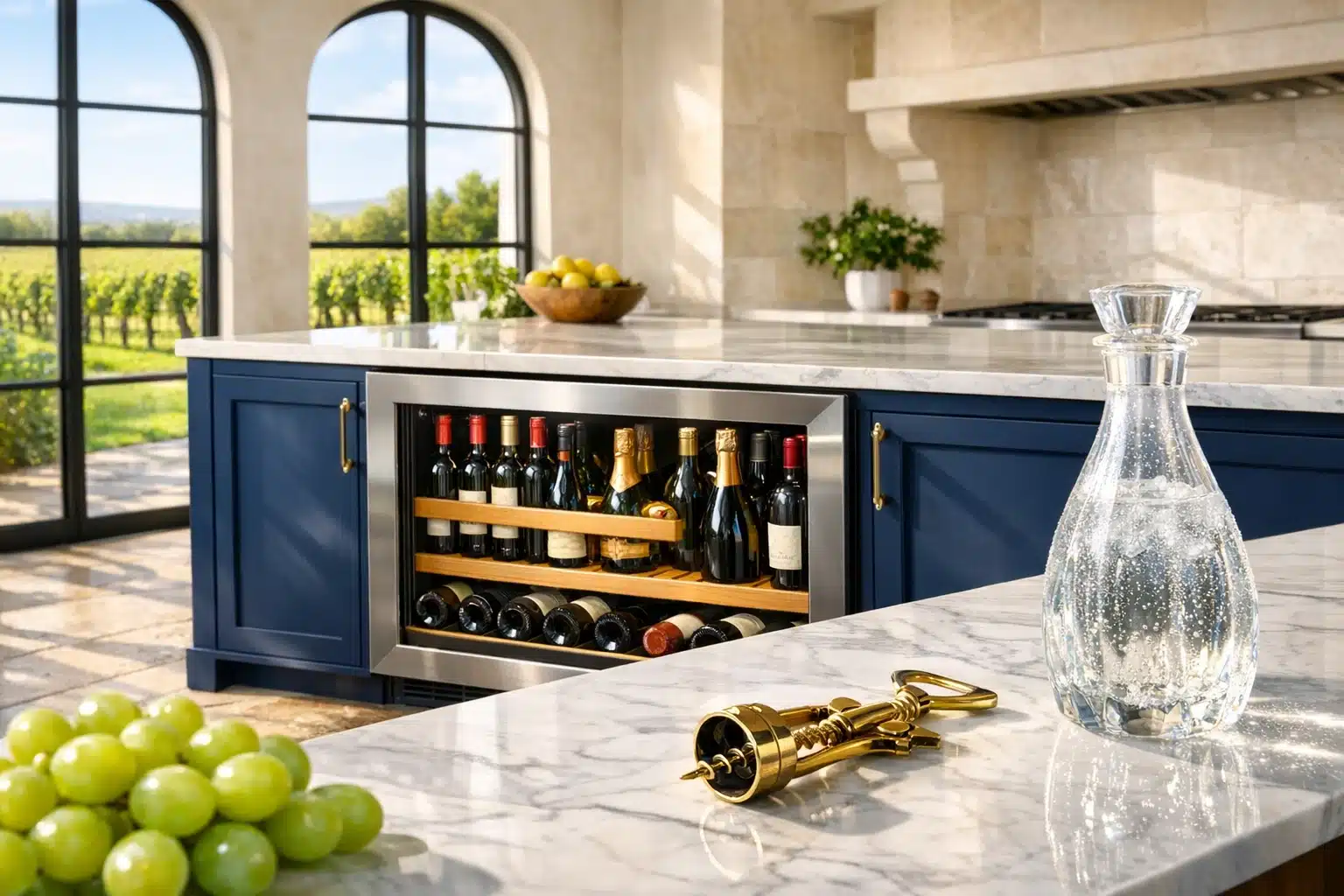
 Artificially generated image
 Costco Wine Cellars Clearance Guide
Buying a wine cellar on clearance can feel a bit like arriving early at a harvest market: the strongest options are present, but they reward shoppers who can read the signs. Costco’s rotating inventory, member pricing, and occasional markdowns make its wine storage listings worth watching for anyone building a home bar, upgrading a kitchen, or protecting a small but meaningful collection. A lower sticker price matters, yet cooling stability, installation limits, and warranty terms deserve equal attention.
Outline:
- What a Costco wine cellars clearance usually includes
- How to evaluate storage performance and product fit
- How clearance pricing compares with other buying options
- What shopping tactics help members spot stronger deals
- Which buyers benefit most and how to avoid regret after purchase
What Costco Wine Cellars Clearance Usually Means
When shoppers talk about a Costco wine cellars clearance, they are usually referring to markdowns on wine refrigerators, wine coolers, or larger cabinet-style storage units sold through Costco warehouses or Costco’s online store. The word cellar sounds grand, almost cinematic, as if every purchase comes with stone walls and a hidden tasting room, but in retail language it often means temperature-controlled storage designed for home use. These products range from compact units that hold a dozen or two bottles to larger models intended for a dedicated entertaining area, a pantry extension, or a built-in kitchen installation.
One reason clearance events attract attention is that Costco tends to carry a selective assortment rather than an endless catalog. That narrower lineup can be useful because it limits decision fatigue, yet it also means a promising model may disappear quickly when stock runs low. Clearance can happen for several reasons. A unit may be discontinued, replaced by a newer version, moved out to make room for seasonal merchandise, or marked down because a finish or size did not sell as expected. In warehouses, floor space is valuable, so bulky appliances and storage products often face pressure when patio furniture, holiday items, or back-to-school inventory arrives. Online, the assortment is usually broader, but availability still changes by region and shipping network.
It is also important to understand that not every clearance unit is the same kind of deal. Some are brand new in sealed packaging. Others may be display models, customer returns that were cleared for resale under specific conditions, or final-quantity items with limited replacement stock. That difference matters because wine storage products include shelves, door keys, leveling feet, manuals, and sometimes trim pieces for built-in installation. Missing accessories can reduce the value of a markdown very quickly. A unit that looks deeply discounted may become less attractive if it requires extra parts, special delivery arrangements, or a tricky cabinet modification at home.
For buyers, the real lesson is simple: clearance is not a product category, but a stage in the product’s retail life. That stage can create savings, yet it also compresses the time available for research and comparison. If you understand that Costco clearance pricing often reflects inventory turnover rather than product perfection or defect, you are in a better position to judge what the offer actually means. The best clearance purchases happen when timing, product fit, and realistic expectations line up at the same moment.
How to Judge a Clearance Unit Beyond the Discount Sticker
A wine cellar is a storage tool first and a decorative appliance second, so the smartest way to evaluate a clearance model is to begin with performance. Bottle capacity is the feature shoppers notice immediately, but advertised counts can be optimistic. Manufacturers often calculate capacity using standard Bordeaux-shaped bottles arranged in the most efficient pattern. In real homes, collections are rarely so tidy. Champagne bottles are wider, Pinot Noir bottles can have broader shoulders, and mixed-case buying creates awkward gaps. A 46-bottle unit may feel more like a 34- to 40-bottle unit once real-world shapes enter the picture. That does not make the claim dishonest, but it does mean capacity should be treated as an estimate rather than a guarantee.
Temperature management is the next filter. Single-zone units work well for buyers who mainly want one stable environment, often around 55 degrees Fahrenheit for storage. Dual-zone units suit households that want flexibility, such as storing whites and sparkling wines cooler while keeping reds slightly warmer for near-term serving. A few technical details are worth special attention:
- Compressor-based cooling usually handles warmer rooms better and is common in larger units.
- Thermoelectric designs can run quietly, but they often perform best in stable ambient temperatures.
- UV-protected glass helps reduce light exposure, especially in bright kitchens or living spaces.
- Front-venting designs are generally required for built-in installation, while rear-venting units need more clearance around them.
- Digital controls are convenient, but the stability of the internal temperature matters more than the look of the panel.
Noise, dimensions, and shelving deserve equal respect. A clearance model can look perfect on paper and still turn annoying if it hums beside a dining nook or if the door cannot open fully near a wall. Measure the planned location carefully, including width, depth, height, and swing clearance. If the unit is meant for under-counter use, check whether it is truly built-in rated or only described casually that way in marketing language. Shelves should slide smoothly and support the bottle formats you actually buy. Wood-front shelves can look warmer and more furniture-like, while metal racks may feel simpler to clean. Neither is automatically better; the better choice is the one that fits your usage pattern.
Finally, compare the markdown against product age and support. Clearance makes the most sense when the technology is still current enough to be serviceable, the warranty is clear, and the feature set matches how you drink, store, and entertain. A dramatic discount on a badly suited unit is still a bad purchase. The right clearance buy is the one that protects your wine, fits your room, and keeps inconvenience from sneaking in after the excitement of the deal fades.
Comparing Costco Clearance Prices With Other Buying Options
Price is the headline in any clearance conversation, but meaningful value comes from the full cost of ownership rather than the markdown alone. Costco’s appeal usually rests on the combination of competitive pricing, a curated assortment, and a shopping environment that many members already trust for large household purchases. Still, a clearance label should be tested against alternatives such as specialty appliance retailers, home improvement chains, local kitchen showrooms, and the secondhand market. Each channel has strengths, and each hides costs in different places.
Wine storage pricing varies widely by size and build. Smaller countertop or slim freestanding units may sit in the lower hundreds, mid-capacity models often move into the mid-hundreds, and larger built-in or premium cabinet units can reach well into the four-figure range. A clearance reduction of 10 to 30 percent can be meaningful, especially on bigger appliances, but context matters. A specialty retailer may charge more upfront while offering a broader selection of dimensions, trim kits, or installation advice. A local showroom might provide better product knowledge and easier service coordination. A secondhand listing can look dramatically cheaper, yet it may come with no warranty, uncertain transport history, and a much shorter remaining lifespan.
Here are some of the costs shoppers often overlook when comparing deals:
- Delivery charges or threshold-only drop-off versus room-of-choice service
- Haul-away fees for old appliances or packaging disposal needs
- Cabinetry or countertop adjustments for built-in placement
- Possible accessory replacement if shelves, keys, or hardware are missing
- Electricity use over time, especially for larger compressor-based units
It can also help to think in terms of practical value rather than simple bottle count. Imagine two hypothetical options: one clearance model holds roughly 40 standard bottles with dual-zone control, and another costs less but offers only a single zone and a tighter interior layout. If your collection includes both everyday whites and aging reds, the higher-priced unit may actually save money by preventing a second purchase later. On the other hand, if you mainly keep a small rotation of ready-to-drink bottles, the simpler option may be the more efficient buy.
Costco clearance often shines when the product is already aligned with your needs and the store’s pricing creates an obvious gap versus comparable new models elsewhere. It is less compelling when buyers stretch for features they do not need or assume every markdown is automatically the market leader. Wise shoppers compare not just what the tag says today, but what the purchase will cost, require, and deliver over the next several years.
Smart Ways to Shop a Costco Wine Cellars Clearance Without Rushing
The paradox of clearance shopping is that speed matters, but haste causes expensive mistakes. Costco buyers who handle that tension well usually prepare before a specific deal appears. They know their space measurements, their rough bottle capacity target, and whether they want a freestanding or built-in unit. That groundwork turns a fast-moving markdown from a stressful surprise into a manageable decision. Without it, the shopper is left staring at a tempting price while trying to solve half a dozen technical questions in real time.
Timing can influence what you find. Inventory resets, season changes, and model transitions often create the conditions for discounts, although exact timing varies by store and region. Warehouses may clear bulky items to free space for incoming merchandise, while the online store may adjust pricing as stock gets thin. Some shoppers watch for price endings that are commonly associated with markdowns, such as amounts ending in .97, but that signal is not universal and should never replace product research. The stronger strategy is to monitor both in-store and online listings, especially if you are open to different finishes or capacities. Flexibility can widen the number of worthwhile options.
Before committing, use a short inspection checklist:
- Confirm whether the unit is new, display stock, or final-quantity inventory.
- Check that shelves, keys, leveling feet, and manuals are included.
- Measure doorways, hallways, stair turns, and the final installation space.
- Read the product page or receipt for the applicable return terms and warranty details.
- Verify whether delivery includes installation, unpacking, or only curbside or threshold drop-off.
If you are shopping in person and the model is on display, examine the door seal, shelf action, hinge alignment, and finish quality. Cosmetic imperfections may be acceptable on a clearance purchase, but they should be visible and priced accordingly. If the unit is plugged in, listen for cycling noise and notice whether it vibrates excessively. Online shoppers should study the specification sheet, not just the hero image. Product photos flatter everything. Dimensions, venting requirements, ambient temperature recommendations, and net interior layout tell the more honest story.
A final practical tip is to document what you buy. Save the model number, serial number, listing screenshot, and receipt in one place. Clearance inventory can vanish fast, which sometimes makes later comparisons or support requests harder if you rely on memory alone. In a market where the deal window may be narrow, calm preparation is a competitive advantage. The members who tend to land satisfying purchases are not necessarily luckier; they are simply more organized before the markdown arrives.
Final Take: Who Should Buy From a Costco Wine Cellars Clearance and Who Should Wait
A Costco wine cellars clearance is best suited to shoppers who want solid household value and have a clear idea of how they will use the unit. Casual collectors with a dozen to thirty bottles can benefit if they want steadier storage than a pantry or kitchen rack can provide. Frequent entertainers may appreciate a larger fridge that keeps whites, sparkling wines, and a handful of reds ready for guests without monopolizing the main refrigerator. Homeowners finishing a bar area or updating a kitchen can also do well if the clearance unit already matches the planned opening and venting setup. For these buyers, the savings are meaningful because the product fills a real need immediately.
Other shoppers may be better served by patience. Someone building a serious long-term collection may need more precision, more interior flexibility, and better expansion options than a random clearance event can offer. A buyer with an exact cabinet cutout or a design-sensitive renovation might prefer a broader specialty selection rather than forcing a discounted unit to fit an unsuitable space. Likewise, anyone considering garage placement should verify the manufacturer’s ambient temperature recommendations carefully. Many wine coolers are intended for climate-controlled interiors, and a cheap price loses its charm if summer heat or winter cold pushes performance outside the machine’s comfort zone.
Once you bring a unit home, a little discipline helps it perform better. Follow the manufacturer’s setup guidance, especially if the product was transported on its side or at an angle. Many units benefit from standing upright for a period before being powered on, but the manual should guide that step. Level the appliance, avoid overloading the shelves, keep air circulation paths clear, and clean dust from the relevant vents or coils as recommended. An inexpensive independent thermometer can also help confirm that the interior conditions match the display. Wine storage is about consistency, and consistency usually comes from simple habits rather than expensive add-ons.
For the target audience of this guide, the core message is reassuring: a Costco clearance can absolutely be a smart way to buy wine storage, provided the purchase is driven by fit, not adrenaline. If you measure carefully, compare the real costs, inspect the details, and stay realistic about your collection size, you can turn a short-lived markdown into a long-lived household upgrade. In that sense, the best deal is not the fastest one or even the cheapest one. It is the unit that quietly does its job, bottle after bottle, long after the clearance sign is gone.