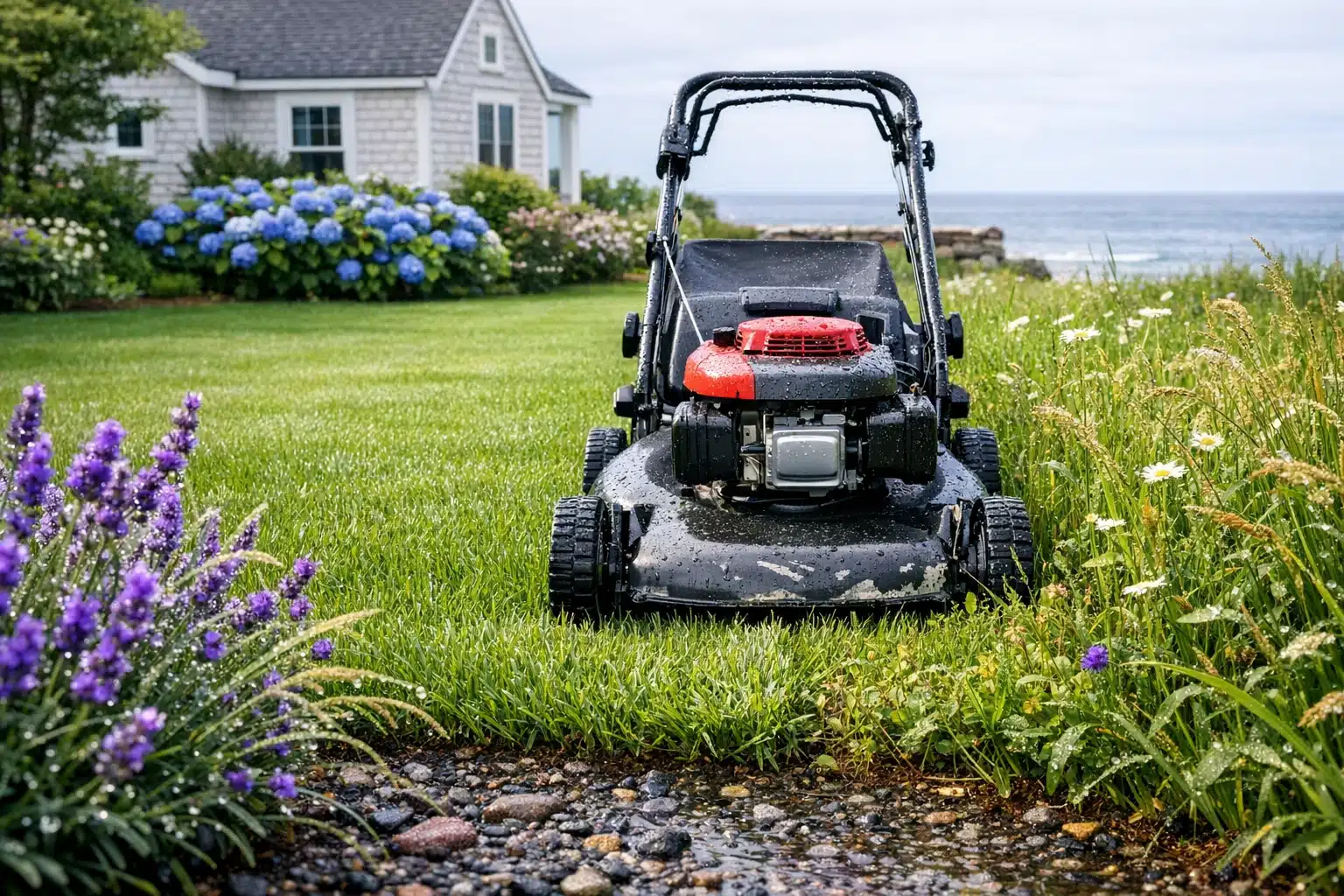
 Artificially generated image
 Home Depot Scratch and Dent Mowers: What to Know Before You Buy
Buying a lawn mower sounds straightforward until you stand in front of a wall of prices, power systems, and feature labels that all promise a tidy yard. That is where scratch and dent mowers at Home Depot start to look especially interesting to shoppers who value function over flawless packaging. A nicked deck or torn carton can sometimes unlock meaningful savings, yet a bargain can turn sour if a battery is missing or a bent wheel hides trouble. Knowing what to inspect before checkout turns impulse into strategy.
Outline:
- What scratch and dent inventory usually means and why it appears in stores
- How mower type changes the meaning of cosmetic versus functional damage
- The inspection steps that matter most before money changes hands
- How to compare the discount against repair costs, warranties, and used alternatives
- Who is most likely to benefit from this kind of purchase and who should pass
What “Scratch and Dent” Usually Means at Home Depot
When shoppers hear the phrase scratch and dent, they often picture a badly damaged machine sitting in a forgotten corner of the store. In practice, the label can cover a much wider range of conditions. At a retailer such as Home Depot, scratch and dent inventory may include display models, customer returns, units with damaged packaging, or mowers that picked up cosmetic marks during assembly, storage, or transport. Some are almost new except for a scuffed handle or a torn box. Others may have been opened, rolled across a parking lot, or returned because a buyer changed plans after unboxing.
The key point is that scratch and dent does not describe one exact standard. It is more like an umbrella term for merchandise that can no longer be sold as untouched, factory-fresh stock. That distinction matters because the value of the deal depends on why the mower was discounted in the first place. A deck with light surface scratches is very different from a machine that was returned because it stalled after ten minutes of use. One looks like a cosmetic compromise. The other may be a troubleshooting project wearing a sale tag.
Common reasons a mower ends up in this category include:
- Packaging damage during shipping or warehouse handling
- Assembled floor models with minor wear from being moved
- Customer returns that are complete and still functional
- Seasonal inventory that can no longer be marketed as pristine stock
- Small dents, chipped paint, or handle scuffs that do not affect operation
What makes these machines attractive is simple: price. A mower does not cut grass better because its box is handsome. For many practical homeowners, cosmetic flaws are easy to ignore if the engine, motor, deck, and drive system work properly. Still, the discount should never be viewed in isolation. You are not just buying a machine; you are buying its condition, its accessories, its warranty status, and your own level of confidence in evaluating it.
Store procedures can vary by location, season, and manager discretion, so there is no universal markdown formula. Some stores clearly label the reason for the reduction, while others require you to ask an associate for details. That conversation matters. Ask whether the mower was a floor model, a return, or a freight-damaged item. Ask whether it has been checked for completeness. Ask whether the warranty begins at purchase just like a standard unit. A calm five-minute conversation can reveal more value than a large yellow clearance sticker.
How Mower Type Changes the Value of a Scratch and Dent Deal
Not every discounted mower carries the same risk. The type of mower you are considering changes both the upside and the danger. A small manual reel mower with a paint scuff is one thing. A battery-powered self-propelled mower missing a charger, or a riding mower with an alignment issue, is another story entirely. Understanding what parts are expensive and what damage is merely visual helps you judge whether the markdown is meaningful or misleading.
For walk-behind gas mowers, cosmetic blemishes often matter less than signs of rough use. A scratched deck or chipped handle may not affect performance at all. More important issues include oil residue, a bent blade, a warped deck edge, loose cable routing, or wheels that wobble when rolled. Gas mowers are mechanical workhorses, and many of their parts are serviceable, but repairs can add up quickly if the machine has hidden impact damage. If a unit looks like it took a hard knock rather than a gentle scrape, caution is wise.
Battery-powered mowers deserve a different kind of scrutiny. Their major value is often bundled into the battery and charger system. A cosmetic mark on the body may be harmless, but a missing battery, incompatible charger, or worn pack can change the economics overnight. Replacement batteries for major mower platforms can cost a significant share of the mower’s sale price, sometimes well into the triple digits. That means a battery mower with a tempting markdown may actually be a poor buy if the power components are incomplete or degraded.
Riding mowers and lawn tractors raise the stakes further. Their discounts may look dramatic because their original prices are much higher, but they also have more systems that can hide problems. Steering, deck leveling, spindle noise, belt wear, tire condition, seat safety switches, and transmission response all matter. A dented fender is mostly a cosmetic note. A deck that sits unevenly or a machine that jerks under load is a budget trap with cupholders.
Broad market pricing also affects how attractive these deals feel. While exact models vary, many new walk-behind gas or battery mowers commonly fall in the several-hundred-dollar range, while riding mowers can run into the thousands. A 10 percent markdown on a basic push mower may not be worth compromising on condition. By contrast, a 20 to 30 percent reduction on a complete, lightly marked self-propelled or riding model can be compelling if the warranty and return terms remain reasonable.
Here is a practical way to think about it:
- Cosmetic damage is often acceptable on simpler machines
- Missing accessories are more serious on cordless models
- Functional irregularities are far riskier on riding equipment
- Higher original price does not automatically mean better value
In other words, the mower category tells you where the danger lives. On one machine it may be appearance. On another it may be battery cost. On a larger unit it may be mechanical complexity hiding behind a discount tag that looks sweeter than it truly is.
How to Inspect a Scratch and Dent Mower Before You Buy
If scratch and dent shopping has a golden rule, it is this: inspect first, imagine savings second. The most successful buyers approach these mowers less like treasure hunters and more like calm technicians. You do not need professional repair experience to do this well, but you do need a method. A few deliberate checks can separate a harmless cosmetic flaw from a machine that is quietly asking for more money.
Start with the model number and serial number. Confirm that the mower matches the product description, especially if the box is open or repackaged. Then check whether all expected components are present. For a battery mower, verify the battery, charger, bag, mulch plug, side-discharge chute, and any key or safety insert. For a gas mower, look for the grass bag, chute, knobs, manual packet if available, and signs that hardware has been removed or replaced. If a part is missing, do not assume it will be cheap or easy to find later.
Next, look closely at the structure of the mower:
- Roll it forward and backward to test wheel tracking and stability
- Inspect the deck edge for bends, cracks, or deep impact marks
- Check the handle joints for alignment and secure fastening
- Look underneath, if permitted, for blade damage or heavy wear
- Examine cables, levers, and battery contacts for signs of stress
Visual clues can tell a story. Fresh scratches on a handle may mean almost nothing. Gouges near the wheel mount can suggest the mower was dropped. Rust inside a supposedly new deck deserves questions. Grass residue underneath can indicate actual yard use rather than simple showroom handling. None of these findings automatically kill the deal, but each one changes the conversation.
Ask whether the store can verify operation. Policies differ, and not every location will test-start a mower on the spot, but it is worth asking. On a gas model, confirm whether it has ever had fuel or oil added. On a battery unit, check whether the battery shows a charge and whether the controls engage normally. On a riding mower, ask about the hour meter if equipped and inspect tires and pedals for wear. A machine can reveal a lot before the engine even turns over.
Warranty and return terms are just as important as the machine itself. Many buyers focus so hard on the sticker price that they forget the paperwork is part of the product. Ask these questions directly:
- Is the manufacturer warranty still valid from the date of purchase?
- Does the store return window differ from a standard boxed unit?
- Is the item sold as final sale or clearance?
- Are there notes in the system explaining why it was marked down?
Finally, think about your own comfort level. If you are the sort of buyer who loses sleep over a paint chip, this aisle may not be your happiest place. If you are practical, patient, and able to spot obvious red flags, it can be a smart path. Grass, after all, is not impressed by showroom perfection. It only responds to a mower that starts, rolls straight, and leaves a clean cut behind.
Pricing, Savings, and the Real Cost Beyond the Sticker
The appeal of a scratch and dent mower usually begins with the discount, but the smarter calculation goes beyond the number on the tag. A reduced price has to be measured against replacement parts, maintenance, transportation, and the possibility that the unit needs work sooner than expected. In other words, savings are real only when they survive first contact with the total cost of ownership.
As a general guide, cosmetic markdowns often become interesting when they move beyond a token reduction. A tiny discount on a visibly flawed mower may not justify the uncertainty, especially when a brand-new boxed unit sits nearby with full presentation, complete accessories, and less chance of missing hardware. On the other hand, a meaningful markdown can make sense when the flaw is clearly superficial and the mower remains complete. The bigger the machine, the more tempting the absolute dollar savings can look, but the more carefully you should check the risk.
Hidden costs are where many bargain stories change tone. Consider the common add-on expenses that can erase part of the discount:
- Replacement battery or charger for cordless systems
- New blade, belt, or wheel hardware after impact damage
- Tune-up items such as oil, spark plug, air filter, or fuel treatment
- Delivery or trailer rental for larger riding equipment
- Time spent sourcing parts that were missing from the start
A simple example makes the math clearer. Imagine a battery mower marked down by $120 because the box is damaged and the body has light scuffs. If all accessories are included and the warranty is normal, that can be solid value. Now imagine the same mower is missing its battery, and the correct replacement pack costs more than the discount you received. The bargain vanishes and may even become a more expensive purchase than buying a sealed unit outright.
It is also worth comparing these mowers with local used listings. A scratch and dent mower from a major retailer can offer advantages that a stranger’s driveway sale does not, such as clearer documentation, easier payment, and sometimes a return path or warranty support. Yet private used markets may deliver lower prices if you are mechanically confident and willing to inspect carefully. The retailer option often sits in the middle ground: not fully new in presentation, not as unpredictable as a random online listing.
Timing can help too. Late-season shopping sometimes produces stronger clearance activity as stores make room for other categories. That said, seasonal discounts are never guaranteed, and the best unit in the building may sell before the deepest markdown appears. If you need a mower now, waiting for the perfect price can backfire. If your current mower still works, patience gives you leverage.
The best buyers treat the discount like one line in a larger spreadsheet. They ask not just, “How much am I saving today?” but also, “What will this machine likely cost me over the next two seasons?” That second question is where a good deal earns its reputation.
Conclusion: Who Should Buy a Scratch and Dent Mower and Who Should Walk Away
Scratch and dent mowers at Home Depot make the most sense for buyers who are value-minded, observant, and comfortable making a practical decision without the emotional reward of pristine packaging. If you care more about a reliable cut than a flawless finish, these machines can be worth serious attention. Homeowners with modest lawns, first-time house buyers trying to stretch a budget, landlords maintaining rental properties, and experienced DIY shoppers often fit this category well. They tend to recognize that a scratched deck is not a tragedy if the machine is complete, starts properly, and carries reasonable warranty protection.
This route is especially attractive when the mower’s issue is clearly cosmetic. A floor model with light scuffs, a unit with torn packaging, or an assembled machine that never truly worked outside can deliver the rare kind of bargain that feels honest. You trade presentation for price and still go home with useful equipment. For shoppers who enjoy doing a measured inspection, that trade can be satisfying in the best possible way: quietly, sensibly, and without drama.
Not every buyer should take the plunge, though. You may want to skip scratch and dent inventory if any of the following describes you:
- You need maximum reliability with minimal troubleshooting
- You are uncomfortable checking completeness and condition in person
- You rely on the mower for a large property where downtime is costly
- You expect a perfect appearance and will be bothered by cosmetic flaws
- You are considering a complex riding model but cannot assess mechanical issues
Commercial users and buyers who cannot tolerate surprise repairs are usually better served by fully new equipment or a more formal dealer setup. The same goes for shoppers who do not want to think about batteries, belts, blades, or missing attachments after purchase. There is nothing wrong with paying more for certainty if certainty is what you actually need.
The final decision comes down to matching the mower to the buyer, not just the mower to the yard. If you inspect carefully, verify what is included, confirm the policy details, and compare the discount against realistic repair costs, a scratch and dent mower can be a sensible purchase. If you rush, assume too much, or let a clearance tag do all the thinking, the deal may lose its shine quickly. For the practical homeowner, the sweet spot is simple: buy the machine whose flaws you understand, not the one whose price merely looks exciting.