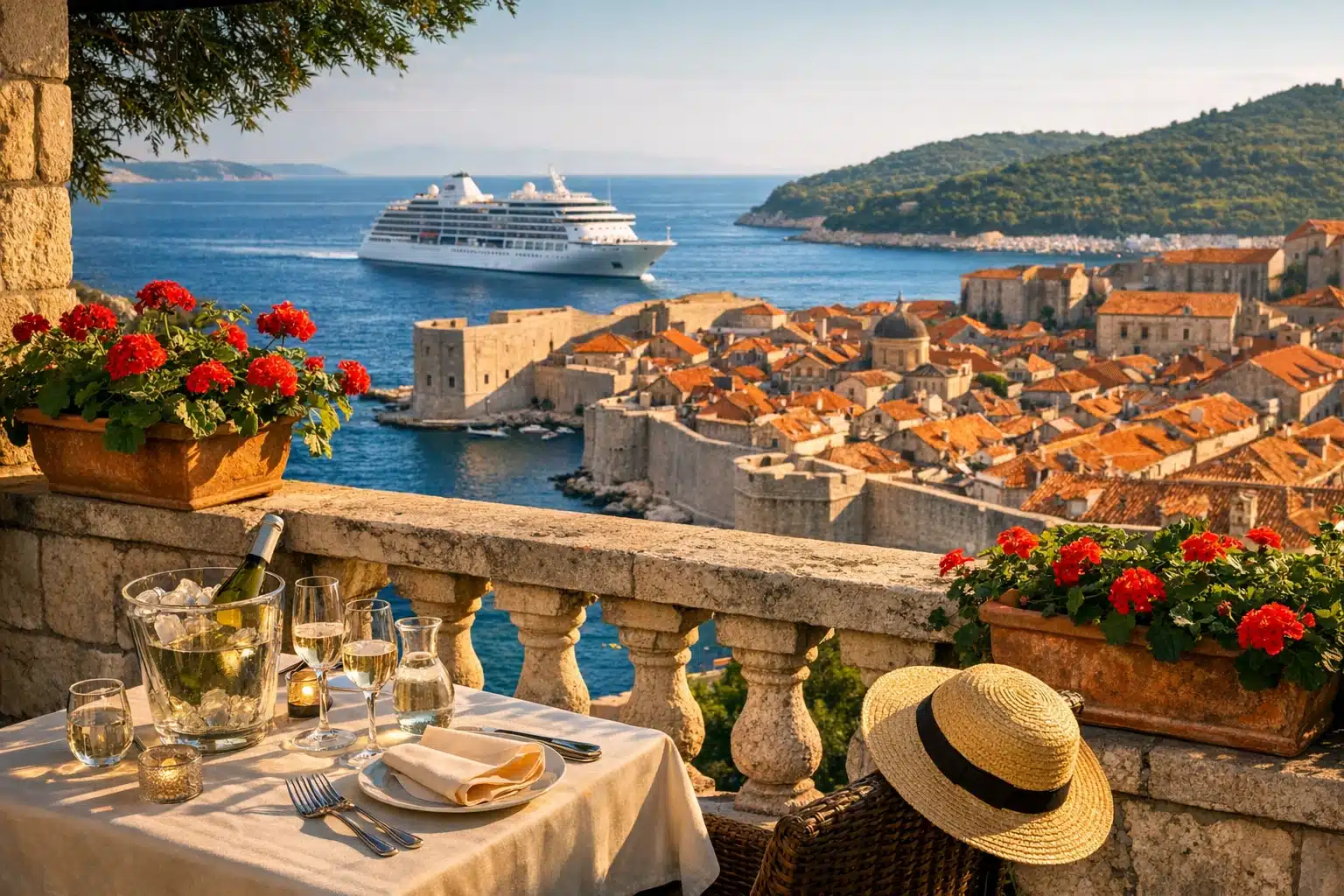
 Artificially generated image
 Luxury Mediterranean Cruise Packages With Airfare Included
Introduction
A luxury Mediterranean cruise with airfare included appeals to travelers who want the romance of sea travel without the friction of piecing together flights, transfers, and hotel logistics on their own. In one purchase, guests can often secure a refined stateroom, scheduled air service, airport-to-ship transfers, and selected onboard extras, which makes budgeting clearer and planning far less stressful. That blend of comfort, convenience, and destination variety keeps these packages highly relevant for couples, families, and celebration travelers.
Article Outline
1. What airfare-included luxury cruise packages usually contain and why that matters. 2. How Mediterranean itineraries differ across the Western, Eastern, and wider regional sailings. 3. The most important points to compare before booking, from cabins to air terms and fare conditions. 4. Where the value is found, including bundled pricing, hidden costs, and timing. 5. Which travelers benefit most and how to choose a package that fits real priorities rather than glossy marketing.
1. What Luxury Mediterranean Cruise Packages With Airfare Included Usually Cover
At first glance, an airfare-included cruise package sounds simple: you buy one trip and most moving parts are handled for you. In practice, the details vary widely, and that is exactly why the category deserves a careful look. A true luxury Mediterranean package often combines the cruise fare with round-trip flights, airport transfers, port transfers, and sometimes pre-cruise hotel stays. Depending on the cruise line and fare category, it may also include beverages, gratuities, Wi-Fi, specialty dining credits, shore excursion allowances, or onboard spending money. The difference between a merely convenient bundle and a genuinely high-value luxury package often lies in these surrounding inclusions.
Luxury lines generally focus on a more all-inclusive experience than mainstream operators. That does not always mean every cost disappears, but it does mean the guest can expect fewer surprise charges. Some packages feature economy airfare as standard, with business-class upgrades available for an extra fee. Others promote “airfare included” but limit the offer to specific gateways, seasons, or sail dates. A traveler departing from New York or London may see a different air arrangement than someone leaving from a smaller regional airport. That is one reason bundled airfare should never be treated as identical from one cruise brand to another.
Typical package elements may include:
• Round-trip scheduled airfare from selected cities
• Group or flexible transfer service between airport, hotel, and ship
• One hotel night before embarkation on longer-haul itineraries
• Port taxes and government fees
• Select onboard amenities such as drinks, tips, or excursion credits
The appeal is not only financial. It is also operational. When flights and cruise logistics are linked under one reservation structure, travelers often gain more coordinated support if schedules shift. If a weather delay affects arrival, a cruise line or its travel partner may already have procedures in place for rerouting or assistance. Policies differ, so this should never be assumed, but support can be stronger than when every element is booked separately.
There is also a psychological benefit that frequent travelers understand well. Mediterranean journeys can involve open-jaw routes, different embarkation and disembarkation ports, and tight timing around international flights. A package turns that puzzle into a cleaner path. Instead of treating the trip like a spreadsheet, the traveler can focus on the blue water beyond Barcelona, the layered history of Athens, or the quiet glamour of sailing into Venice-adjacent ports at dawn. In luxury travel, convenience is not a side feature. It is part of the product itself.
2. Comparing Mediterranean Itineraries: Western, Eastern, and Grand Routes
Not all Mediterranean cruise packages deliver the same style of travel, even when the price looks similar on paper. The region is broad, and itinerary design shapes the entire experience. Western Mediterranean sailings usually center on ports such as Barcelona, Rome, Marseille, Monte Carlo, Palma de Mallorca, and occasionally Lisbon on extended routes. These cruises tend to blend art, food, glamorous coastal towns, and relatively short distances between ports. For travelers drawn to Michelin-starred dining, Roman ruins, Provençal markets, and designer boutiques, the Western Mediterranean often feels polished and cosmopolitan.
Eastern Mediterranean itineraries usually lean toward history, island scenery, and a stronger mix of ancient landmarks and beach culture. Common calls include Athens, Santorini, Mykonos, Kusadasi, Dubrovnik, Kotor, and sometimes Istanbul depending on current deployment and regional conditions. The atmosphere can shift from whitewashed Greek island light to medieval Adriatic stone streets in the span of a few days. For many travelers, the Eastern Mediterranean feels more dramatic and layered, with shore days built around archaeology, local tradition, and scenery that looks almost staged for cinema.
Grand Mediterranean itineraries, often 10 to 14 nights or longer, combine both sides of the region or stretch into the Adriatic, Aegean, and occasionally North Africa. These longer voyages are where airfare-included packages become especially attractive. When a trip spans multiple countries and ends in a different city from where it began, the complexity of independent flight booking rises. Open-jaw airfare can be costly and awkward, so the bundled option often becomes more compelling from both a planning and budgeting standpoint.
When comparing routes, travelers should consider:
• Port intensity: some cruises have daily port calls with very little downtime
• Overnight stays: premium itineraries sometimes include late departures or overnight docking
• Sea days: these matter more on luxury ships with strong dining and wellness programs
• Embarkation city: flights into Barcelona, Rome, Athens, or Venice-region airports differ in ease and cost
• Season: April to June and September to October are often favored for milder weather and fewer crowds
Seasonality matters more than many first-time buyers realize. July and August bring long daylight hours and a lively atmosphere, but they also bring heat, denser crowds, and stronger airfare demand. Shoulder season can deliver a sweeter balance of comfort and cost, especially for travelers who want elegant sightseeing without midday strain. Picture the difference between gliding through a shaded Dubrovnik alley in late September and navigating a packed piazza in peak August sun. The destination is the same, but the experience is not. That is why itinerary geography, pacing, and timing should be weighed just as carefully as the headline package price.
3. How to Evaluate Airfare, Cabins, and Fine Print Before You Book
Luxury travel rewards curiosity. The more carefully you inspect a Mediterranean cruise package, the more clearly you can separate real value from surface-level packaging. One of the first questions to ask is what “airfare included” actually means in booking terms. Some packages include published flights that can be customized for a fee, while others use group-contracted inventory with limited airline choice, set schedules, or restricted changes. Neither model is automatically bad, but they produce very different travel experiences. A traveler who values schedule control may prefer a package with deviation options, even if the upfront fare is a bit higher.
Cabin category is the next major lever. Luxury cruise pricing can change dramatically between a standard veranda, a premium suite, and upper-tier accommodations with butler service or larger private terraces. A package that includes airfare may look appealing, but the real comparison should be based on total comfort, not just transport. If one fare includes business-class air but only an entry-level cabin, while another includes economy air and a much stronger suite category, the better choice depends entirely on the traveler’s priorities. Someone who sleeps lightly on long flights may prize the air upgrade. Someone celebrating an anniversary may care more about space onboard than seat pitch in the sky.
Important package details to review include:
• Airline class of service and upgrade options
• Baggage allowance and seat selection policies
• Arrival timing before embarkation day
• Transfer eligibility if flights are self-arranged or modified
• Cancellation terms and final payment deadlines
• Whether taxes, gratuities, and port fees are already included
Fine print also matters on shore-side logistics. If your package arrives on the same day the ship departs, ask whether a pre-cruise hotel can be added. Many seasoned travelers intentionally fly in at least one day early, especially for international departures. That extra night protects the vacation from airline disruptions and gives the body time to reset before boarding. In luxury travel, arriving calm is a meaningful part of the experience.
Travel insurance deserves a place in the comparison as well. Airfare-included packages may carry different reimbursement structures than cruise-only reservations. If a medical issue, labor strike, or weather event interrupts the trip, coverage details matter. This is not the glamorous part of trip planning, but it is the part that often proves its worth when something goes wrong.
Think of the booking process as walking through a beautiful port city at dusk. The broad avenue is attractive, but the real character appears in the side streets. In the same way, the best cruise package is rarely the loudest one. It is the one whose details match your travel style with the least friction.
4. Understanding Value: Bundled Pricing, Hidden Costs, and When Airfare Inclusion Pays Off
Travelers often assume that airfare-included packages are automatically cheaper than arranging flights independently. Sometimes that is true, but the better question is broader: does the package deliver stronger overall value? In luxury cruising, value is not only about the lowest number. It is about what the number protects you from and what it saves you from having to coordinate. A bundle that costs slightly more than a self-built trip may still be worthwhile if it reduces logistical risk, includes transfers, covers hotel nights, or secures a better fare structure during a high-demand season.
Airfare inclusion tends to offer the strongest value in a few specific situations. The first is long-haul travel during peak periods, when flight prices rise quickly and route availability tightens. The second is on one-way or open-jaw Mediterranean itineraries where the arrival and departure cities differ. The third is when the cruise line negotiates favorable group air contracts that are difficult for independent travelers to match. In these cases, a package can create both savings and simplicity. On the other hand, travelers using loyalty points, elite airline benefits, or local low-cost connections may find independent air more flexible.
Hidden or overlooked costs can change the math:
• Hotel nights before or after the cruise
• Transfers between airport, hotel, and port
• Checked baggage and premium seat selection
• Specialty dining, spa treatments, and premium shore excursions
• Visa or entry requirements for certain itineraries
• Travel insurance and cancellation protection
Luxury lines often reduce the sting of onboard extras by including more upfront. That matters because a “cheap” cruise can become expensive once daily expenses accumulate. Complimentary beverages, gratuities, Wi-Fi, and a few excursion credits can materially change the final bill. A traveler comparing packages should build a realistic total-trip estimate rather than rely on brochure pricing. For example, if one cruise fare includes air, transfers, drinks, and tips, while another appears lower but charges separately for each of those items, the comparison is incomplete until every component is added.
Timing also influences value. Booking early can secure stronger cabin selection, preferred flight options, and promotional extras. Waiting can occasionally produce a late fare drop, but luxury inventory is smaller than mass-market inventory, and the best suites often disappear first. Shoulder-season departures frequently offer a stronger balance of airfare availability and climate comfort than midsummer dates.
In practical terms, the best package is the one that lets you enjoy the trip without spending the entire countdown recalculating costs. When the sea turns silver at sunrise and the ship glides toward a terraced coastline, nobody wants to be thinking about transfer receipts and baggage surcharges. True value is often measured in ease as much as in money.
5. Who These Packages Suit Best and How to Choose the Right One
Luxury Mediterranean cruise packages with airfare included are not designed for only one type of traveler. Their strongest audience includes couples celebrating anniversaries, multigenerational families coordinating complex schedules, retirees seeking a smoother long-haul journey, and busy professionals who would rather pay for convenience than spend hours stitching separate reservations together. They also work well for first-time cruisers who want a more structured experience in a region that can otherwise require multiple bookings, language navigation, and close timing around transport connections.
The key is choosing a package that reflects how you actually travel, not how brochures suggest you travel. Some guests want elegant sea days, a serene spa, and long dinners with regional wines. Others want maximum port access, expert-led excursions, and a front-row view of the Mediterranean’s historical depth. Neither approach is better, but they require different ship styles and itinerary pacing. Smaller luxury vessels may access boutique ports and feel more intimate, while larger premium ships can offer more dining variety and entertainment. Airfare inclusion becomes most useful when it supports the experience rather than locking the traveler into inconvenient schedules.
Questions worth asking before booking include:
• Do I prefer a port-intensive itinerary or more time onboard?
• Is business-class airfare worth more to me than a higher cabin category?
• Would I feel safer arriving one day early?
• Are included excursions important, or do I prefer exploring independently?
• Is the departure airport convenient enough to keep the trip stress low?
Travelers should also think about energy level. The Mediterranean can be wonderfully rich, but it can also be demanding. Walking tours over cobblestones, tender ports, museum visits, and warm-weather sightseeing all require stamina. For some guests, a 7-night sailing with four major ports and two sea days may be ideal. For others, a longer cruise with slower pacing and overnight stays makes more sense. The point is not to chase the most destinations. It is to create a journey that remains pleasurable from embarkation to disembarkation.
There is something quietly luxurious about having the trip’s major pieces already aligned before you ever reach the airport. Your flight is ticketed, your transfer is waiting, and your cabin is ready somewhere beyond the terminal bustle. That confidence is part of the appeal. For travelers who value comfort, efficiency, and a more controlled budget, airfare-included Mediterranean packages can be an intelligent choice rather than a flashy one.
The smartest booking strategy is simple: compare total value, confirm every inclusion, and choose the itinerary that fits your pace and interests. The Mediterranean has no shortage of beauty. The package that deserves your money is the one that lets you experience that beauty with the least avoidable friction.
Conclusion for Travelers Considering a Luxury Mediterranean Cruise
For travelers who want premium comfort without tangled logistics, luxury Mediterranean cruise packages with airfare included can offer a practical and elegant solution. They are especially useful when the itinerary spans multiple countries, begins and ends in different cities, or demands careful coordination around international flights. The smartest approach is to compare full-trip value rather than headline price, paying close attention to air terms, transfer support, cabin quality, and included onboard benefits. If your goal is to trade planning fatigue for a smoother, more polished vacation, this style of package can turn a complicated trip into a far more enjoyable one.