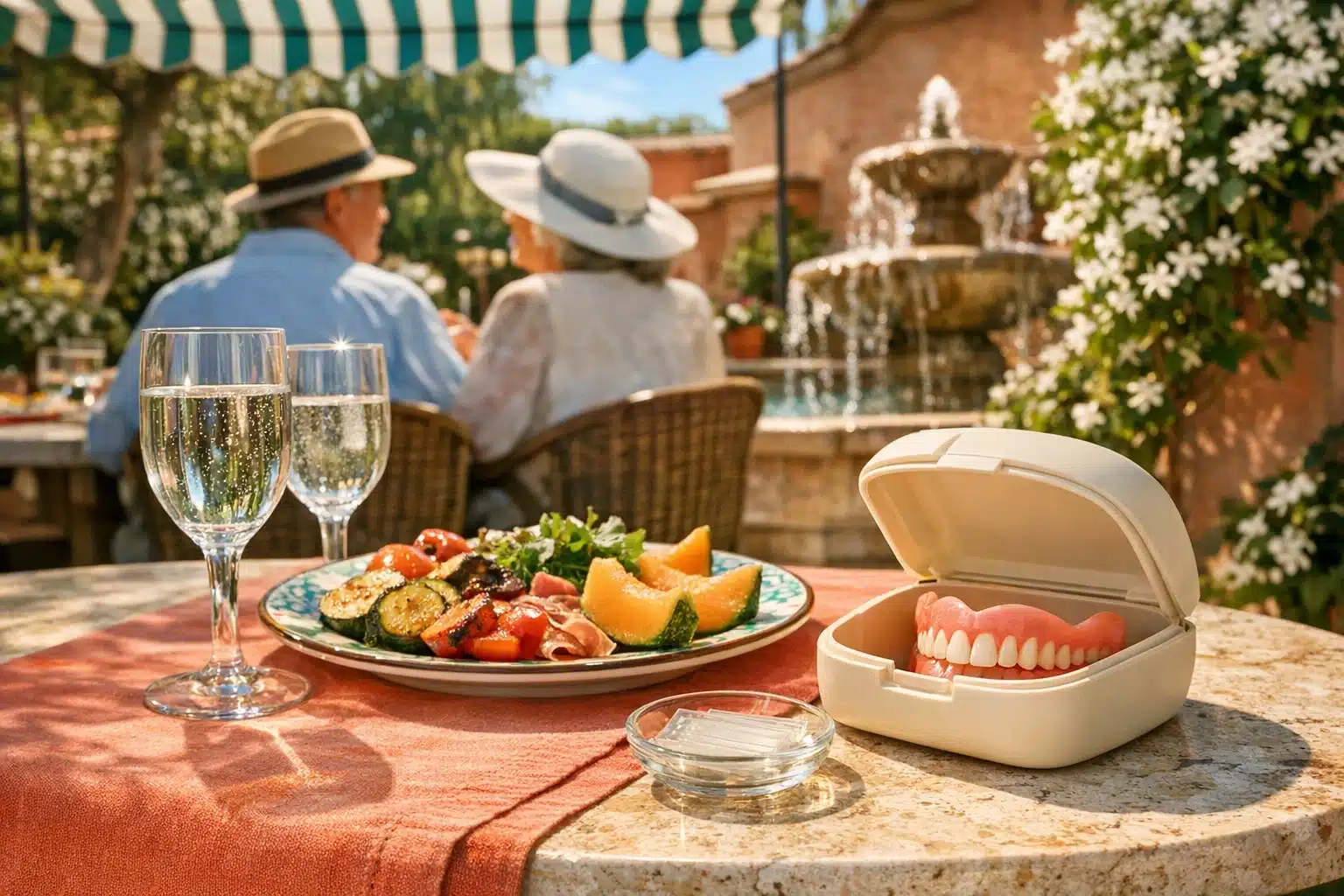
 Artificially generated image
 Natural Denture Adhesive Alternatives: A Practical Guide
A loose denture can make eating, speaking, and smiling feel harder than it should, so it is no surprise that many wearers look for gentler options than standard adhesive creams. This guide walks through natural denture adhesive alternatives, practical habits, and fit-related fixes with a realistic eye. You will learn which ideas may improve comfort, which ones offer only light support, and when a dental visit matters more than another product. Read on for clear comparisons and sensible advice you can actually use.
Outline of the Guide: What This Article Covers and Why It Matters
Before comparing products and habits, it helps to set the map on the table. Denture stability is not controlled by one magic ingredient. It depends on fit, saliva, gum shape, muscle control, and the condition of the denture itself. That is why many people feel disappointed when one adhesive fails and another promises more than it can realistically deliver. A better approach is to understand the problem first, then match the solution to the cause.
This article begins with the basics of denture retention, because a denture that slips for mechanical reasons will not be transformed by any “natural” option alone. From there, it moves into a careful comparison of alternative materials and gentler product types, including plant-derived pads, moisture gels, and other low-drama options that some wearers find more comfortable. Just as importantly, it explains where the evidence is limited. In oral care, “natural” can sound reassuring, but natural does not always mean stronger, safer, cleaner, or better suited to long wear.
The guide is organized around five practical questions:
- Why do dentures loosen in the first place?
- How do standard adhesives work, and what are their limits?
- Which natural or plant-based alternatives may help with light support or dryness?
- What daily habits improve retention without relying on extra adhesive?
- When is it smarter to stop experimenting and schedule a dental visit?
That last question matters more than many people expect. Dentures often become looser over time because the shape of the gums and underlying bone gradually changes after tooth loss. Weight changes, dry mouth, age of the denture, and even a tiny warp can alter the fit. In other words, the denture may not be failing you out of spite; the landscape underneath it may simply be different now.
You will also notice a theme running through the article: practical over theatrical. There are no miracle claims here and no homemade shortcuts that could irritate the mouth or create hygiene problems. Instead, the focus is on low-risk ideas, clear comparisons, and realistic expectations for people who want comfort, cleaner ingredients, or less mess in their daily routine.
Why Dentures Slip: The Science Behind Retention and the Limits of Standard Adhesives
Dentures stay in place through a mix of physics and anatomy, which sounds less romantic than a tidy label on a box, but it explains a lot. A well-made denture sits close to the gum tissue and uses a thin layer of saliva to help create adhesion and surface tension. On an upper denture, the palate can add broad contact and improve the seal. Lower dentures have a tougher job because the tongue, cheeks, and smaller supporting area make movement harder to control. That is one reason lower dentures often feel less stable, even when they are made correctly.
Conventional adhesives are designed to improve retention by filling tiny gaps between the denture base and the tissue. They do not rebuild worn acrylic, correct bite problems, or reverse changes in the jaw ridge. Used properly, they can reduce wobble and help many wearers feel more secure. Used as a long-term substitute for a poor fit, they often become a frustrating patch rather than a satisfying answer.
People usually seek alternatives for a few recurring reasons:
- The texture feels too thick, pasty, or difficult to clean off.
- The taste is unpleasant or lingers through meals.
- They want a simpler ingredient list or a zinc-free option.
- Dry mouth reduces the feeling of grip.
- The denture has become loose enough that standard products no longer feel dependable.
It is also useful to compare common commercial formats, because not all adhesives behave the same way. Creams usually provide stronger hold but can feel messy if too much is applied. Powders tend to be lighter and easier to rinse away, though some wearers find them less durable. Strips or pads offer cleaner dosing and can be easier for beginners to manage, especially when hand control is limited. None of these formats is automatically “bad,” and many are safe when used as directed. The key is remembering what they can and cannot do.
Several day-to-day factors weaken retention regardless of adhesive choice. Dry mouth is a major one, especially in older adults and in people taking multiple medications. Food debris, worn denture surfaces, and changes in gum shape can also interfere. If a denture suddenly starts rocking, causes sore spots, or needs larger amounts of product every week, that pattern often points to a fit issue. In those cases, even the gentlest alternative may offer only temporary relief. A reline, adjustment, or evaluation may do more than any paste, however natural it sounds.
Natural Denture Adhesive Alternatives: Useful Options, Honest Limits, and What to Avoid
When people ask for natural alternatives, they are usually looking for one of three things: fewer synthetic ingredients, a lighter feel, or a way to improve comfort without relying on heavy adhesive cream. Those goals are reasonable, but the options vary widely in quality and predictability. Some are sensible. Some are merely modest. A few belong firmly in the “better left on the internet” category.
One gentler category includes oral moisture gels and saliva-support products made with soothing ingredients such as aloe vera or plant-derived humectants. These are not true heavy-duty adhesives, yet they can help when dryness is the main reason a denture feels less secure. By improving moisture, they may support the thin fluid layer that helps retention. Their strengths are comfort, easier cleanup, and a softer mouthfeel. Their weakness is simple: they usually provide only light hold, so they are best for minor movement rather than a noticeably loose denture.
Another practical option is a manufactured adhesive pad or strip made with plant-derived materials such as pectin, cellulose, or alginate-based components. These products are not homemade, but they often appeal to people who want a more natural-leaning ingredient profile. Compared with creams, they can feel tidier and more consistent. Compared with powders, they may offer better placement control. They still count as dental products, which is a benefit rather than a drawback, because they are designed for oral use and produced with more predictable standards.
Some wearers also hear about homemade sticky substances such as flaxseed gel, okra mucilage, or starch-based mixtures. These ideas circulate because they sound simple and food-based. The problem is not that they are plant-derived; the problem is that they are inconsistent, messy, short-lived, and poorly studied for this purpose. Texture can vary from batch to batch, storage may be unhygienic, and the hold is rarely comparable to a properly formulated denture product. For many users, the result is a sink full of cleanup and very little extra confidence.
A careful comparison helps:
- Moisture gels: best for dryness, soothing, light support, not strong enough for major looseness.
- Plant-based pads or strips: cleaner application, more consistent, often easier to judge than cream.
- Homemade gels or pastes: low predictability, weak evidence, higher risk of contamination or irritation.
Equally important is knowing what not to use. Household glue, craft adhesives, industrial tapes, strong essential oils, and non-oral bonding products should never touch a denture. They can damage the appliance, irritate tissue, and create obvious safety risks. If an option is not intended for oral use, it does not become safe because a blog post sounds confident. In this area, caution is not dull; it is wise.
Beyond Adhesives: Daily Habits and Fit-Focused Fixes That Often Matter More
Sometimes the most effective alternative to more adhesive is not another adhesive at all. A denture that moves because of dryness, food buildup, or worn fit may improve more from a few targeted changes than from yet another tube, strip, or home experiment. This is the unglamorous side of denture care, but it is often where the real progress lives.
Start with moisture. Saliva plays a quiet but important role in denture retention, and a dry mouth can make even a well-made denture feel less cooperative. Sipping water through the day, limiting excessive alcohol and caffeine if they worsen dryness, and asking a dentist or physician about medication-related dry mouth can all make a difference. Some people also benefit from sugar-free lozenges or saliva substitutes, depending on their overall oral health and medical history. The goal is not to drown the problem; it is to create a more comfortable oral environment.
Cleanliness matters just as much. A film of old adhesive, plaque, or food debris can interfere with the way a denture seats on the gums. A clean denture sits better, smells better, and usually feels better. That routine sounds basic, yet neglected buildup can quietly sabotage retention day after day. Overnight soaking, gentle brushing with a denture-safe cleanser, and rinsing the mouth before reinsertion are small steps that often pay off.
Mechanical solutions deserve attention too. If the denture used to fit well and now shifts, a dental reline may help by reshaping the inner surface to match current gum contours. This is often far more effective than piling on more product. Soft liners or cushions can sometimes offer temporary comfort, especially when tissues are tender, but they are not permanent substitutes for professional adjustment.
Useful daily habits include:
- Chew slowly and try to balance food on both sides of the mouth.
- Seat the denture carefully rather than snapping it in quickly.
- Keep the appliance and the gums clean before every application.
- Track when slipping happens, such as during dry afternoons or at dinner, to spot patterns.
- Arrange an evaluation if soreness, rocking, or repeated dislodging becomes common.
There is also a psychological side to this. When a denture feels unreliable, people often tense their cheeks, restrict what they eat, or avoid conversation. Better fit and moisture can restore more than function; they can restore ease. That is why the smartest “alternative” may be less about finding a miracle ingredient and more about improving the conditions that let the denture work the way it was meant to.
Conclusion for Denture Wearers: Choosing a Safer and More Comfortable Routine
If you wear dentures and want a gentler approach, the good news is that you do have options. The less exciting news, which is still useful, is that no natural alternative can fully compensate for a denture that no longer fits the mouth well. That is the central takeaway. Plant-based or moisture-supporting products may improve comfort, reduce mess, and offer light extra grip, especially when dryness is part of the problem. They are most helpful when expectations stay realistic.
For mild movement, a manufactured pad or strip with plant-derived ingredients may be the most balanced choice. It tends to be cleaner, more predictable, and better suited to regular use than a homemade mixture. If your main complaint is dryness or irritation rather than major slipping, a soothing oral gel can be worth discussing with your dentist. On the other hand, if you need larger amounts of product every week, if the denture rocks while you chew, or if sore spots keep returning, that pattern points away from experimentation and toward professional adjustment.
A simple decision guide can help:
- Choose a gentle alternative if the denture mostly fits and you want cleaner texture or lighter support.
- Focus on hydration and oral moisture if dryness makes the fit feel worse at certain times of day.
- Book a dental visit if the denture has become unstable, painful, cracked, or suddenly hard to wear.
- Avoid any non-oral glue or improvised fix, even if it sounds convenient.
The best routine is usually the one that respects both comfort and biology. Dentures sit on living tissue that changes over time. A product may help, but fit, hygiene, and moisture shape the daily experience far more than marketing language does. If you are tired of sticky creams, start by identifying what you truly want: less mess, fewer ingredients, better comfort, or stronger hold. Once that goal is clear, the path becomes simpler.
For most readers, the most practical answer is not to chase extremes. Choose low-risk products designed for the mouth, keep the denture clean, support moisture, and treat worsening looseness as a sign worth investigating. That steady approach may not sound flashy, but it is far more likely to leave you eating, speaking, and smiling with confidence.