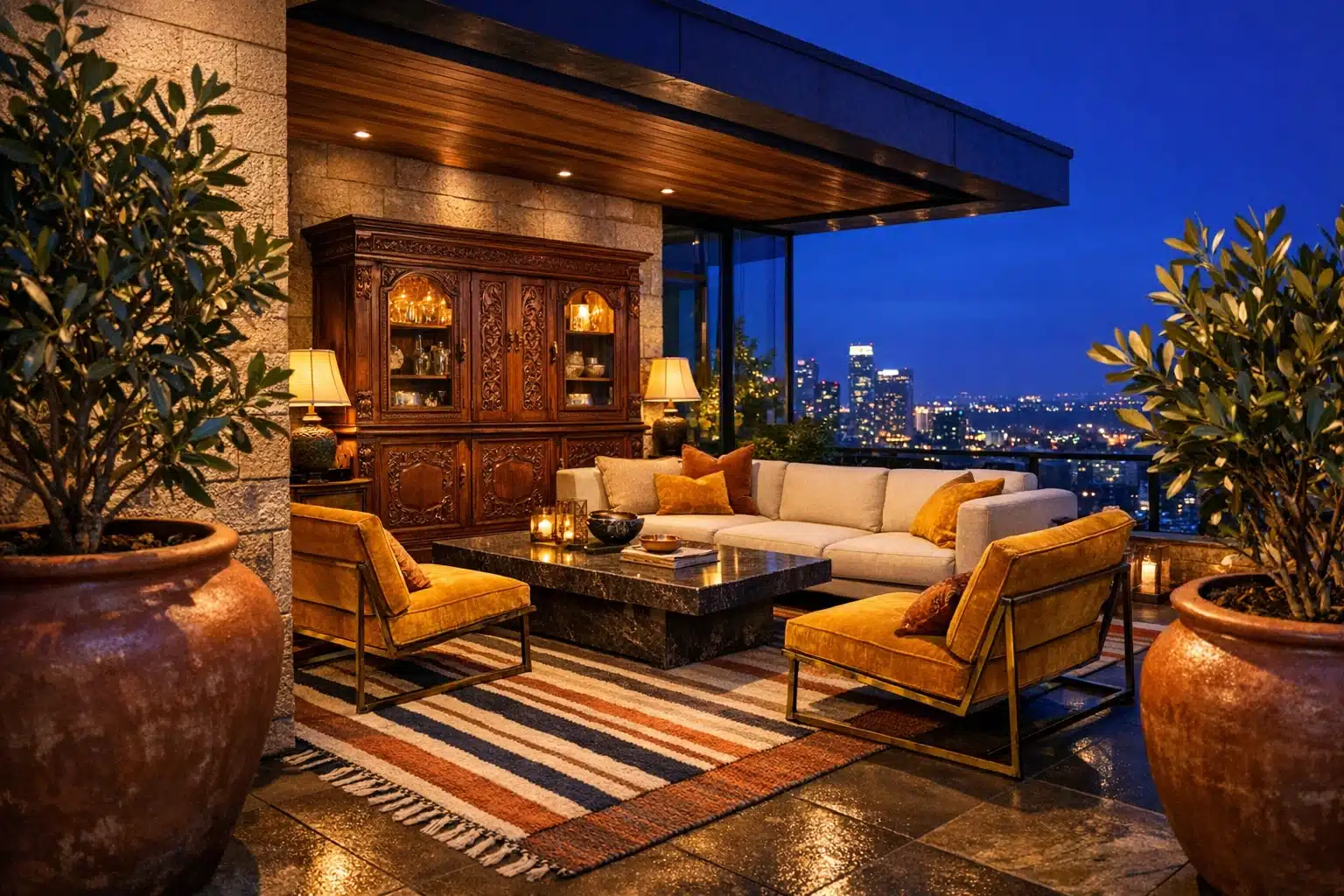
 Artificially generated image
 Second-Hand Furniture Design: Tips for Stylish and Sustainable Interiors
Second-hand furniture design sits at the crossroads of style, budget, and sustainability, which is exactly why it matters so much in contemporary interiors. A pre-owned table, lamp, or armchair can bring texture and personality that many mass-produced pieces never quite develop, while also extending the life of materials already in circulation. With waste rising, prices shifting, and more people wanting homes that feel personal rather than generic, learning how to source and use older furniture has become both a creative advantage and a practical skill worth building.
Outline
This article begins with the design and environmental case for choosing second-hand furniture, then moves into the practical skills that make good buying decisions easier. After that, it explores how to mix old and new pieces without creating visual clutter, followed by a section on restoration and upcycling choices. It ends with a conclusion aimed at readers who want interiors that balance character, usefulness, and long-term value.
-
Why second-hand furniture has become a serious design option rather than a compromise.
-
How to evaluate condition, construction, comfort, and pricing before buying.
-
Ways to combine vintage finds with newer furniture for cohesive rooms.
-
When to restore, repaint, reupholster, or preserve original finishes.
-
How different readers can apply these ideas to create thoughtful interiors.
Why Second-Hand Furniture Has Become a Design Advantage
Second-hand furniture used to be framed mainly as a budget solution, but that narrow view misses its wider design value. In many homes today, pre-owned pieces are chosen not because they are cheaper, but because they often look better, last longer, and tell a richer visual story than fast furniture. A solid wood chest with softened edges, a cane chair with a slightly faded frame, or a brass lamp with a mellow finish can give a room instant depth. These objects do something new furniture sometimes struggles to do: they arrive with a sense of texture, history, and lived-in ease. If a room is a conversation, second-hand pieces are often the lines people remember.
There is also a strong environmental case for buying used. Life-cycle research consistently shows that extending the useful life of existing products usually lowers overall environmental impact compared with replacing them, because new production requires raw materials, energy, packaging, and transport. EPA waste estimates have shown that furniture and furnishings contribute millions of tons of waste in the United States each year. Choosing a second-hand dining table instead of a newly manufactured equivalent does not solve that problem alone, but it is part of a broader shift away from disposable consumption. For many buyers, sustainability becomes more believable when it is visible: a restored sideboard is a concrete example of reuse, not just a slogan printed on a label.
Quality is another reason second-hand design deserves attention. Many older furniture pieces were built with hardwood frames, dovetail joints, replaceable hardware, and repairable parts. By contrast, some lower-cost contemporary items rely heavily on particleboard, thin veneers, cam locks, and adhesives that make repair difficult. This does not mean every vintage item is automatically superior, or that all new furniture is poor. It means the used market often gives buyers access to construction standards that would cost far more if purchased new today. That comparison matters when shoppers are deciding whether a bargain is truly a bargain.
There is a social and aesthetic dimension as well. Second-hand interiors tend to feel less scripted. Instead of copying a showroom exactly, people assemble rooms piece by piece, leaving space for surprise and individuality. A curved 1970s coffee table can sit next to a contemporary sofa. A farmhouse bench can ground a clean-lined apartment entryway. An old cabinet can become the warm note in an otherwise minimal room. This approach encourages slower decorating and more intentional choices. Rather than filling a space in a single weekend, people learn to edit, wait, compare, and choose what genuinely belongs. In that sense, second-hand furniture design is not simply about thrift. It is about building rooms with memory, restraint, and personality.
How to Evaluate Used Furniture Before You Buy
The romance of second-hand shopping is real, but good design starts with clear-eyed assessment. A beautiful photograph or charming flea market setup can distract from practical issues, so it helps to approach each piece with a small mental checklist. The goal is not to hunt only for perfection. Minor scratches, faded finish, and worn fabric are often acceptable, even desirable, because they contribute character. What matters is whether the piece is structurally sound, appropriately priced, and worth the effort it may require after purchase.
Start with construction. Solid wood generally ages better than particleboard, and traditional joinery tends to outlast furniture that depends on weak connectors. Open drawers and check whether they glide smoothly. Wiggle table legs and chair backs to test stability. Look underneath a sofa or armchair to inspect the frame, springs, or support webbing. If a cabinet smells strongly of mildew or shows active signs of pests, think carefully before committing. A cosmetic flaw can be fixed; infestation and deep water damage are far less forgiving. Upholstered pieces deserve extra caution because hidden wear can be expensive to correct.
-
Check the frame: Does it wobble, crack, or lean?
-
Inspect surfaces: Are scratches superficial, or do they expose swelling, warping, or veneer loss?
-
Test function: Do drawers open, doors align, and hinges close properly?
-
Assess smell: Smoke, dampness, and chemical odors can linger longer than buyers expect.
-
Measure twice: Room dimensions, doorway widths, stair turns, and elevator access all matter.
Price comparison is equally important. Buyers often assume second-hand automatically means inexpensive, but pricing varies dramatically by source. Charity shops may offer low prices but inconsistent selection. Estate sales can provide strong value, especially when items are well made and the sellers want quick clearance. Antique dealers typically charge more, but they may offer curation, repair work, provenance, or expertise that casual sellers do not. Online marketplaces sit somewhere in the middle, with broader choice but greater need for independent judgment. The smartest comparison is not used price versus used price alone; it is used price plus repair and transport costs versus the price and quality of a new alternative.
Style potential should be evaluated alongside condition. Ask whether the silhouette is good even if the finish is not. A clumsy piece is rarely transformed by paint alone, but a well-proportioned piece with modest damage often becomes a standout item. This is why experienced buyers focus on bones: shape, material, scale, and function. If those elements are right, many imperfections become manageable. Think of buying second-hand furniture less like grabbing a random bargain and more like editing a collection. The best purchases are not simply available; they are appropriate. That small distinction often separates rooms that feel accidental from rooms that feel designed.
Blending Vintage Finds with Modern Pieces for a Cohesive Interior
One of the most common fears around second-hand furniture is that a room will look mismatched, heavy, or chaotic. That risk exists, but it usually comes from combining objects without a clear visual framework, not from the age of the pieces themselves. Cohesion is built through repetition of scale, tone, material, and mood. In practical terms, that means a vintage object does not need a vintage partner to work well. It needs a reason to be there. A dark wood sideboard may connect to a room through floor tone, black metal accents, or a shared horizontal line with nearby furniture. Once those relationships are visible, the room begins to feel composed rather than improvised.
A useful comparison is the difference between matching and harmonizing. Matching tries to make everything look as though it came from the same set. Harmonizing allows contrast while keeping the space readable. Many successful interiors use a modern sofa, an older coffee table, a contemporary rug, and inherited dining chairs. The link is not sameness; it is rhythm. Designers often rely on a repeated color family, one dominant wood tone, or a consistent balance between soft and hard surfaces. This creates continuity even when the items come from different decades. A room can hold an Art Deco mirror and a minimalist floor lamp if both contribute to the same atmosphere.
-
Use one anchor piece: Let a striking vintage cabinet, table, or chair establish the room’s personality.
-
Repeat materials selectively: Brass, oak, linen, leather, or black steel can tie varied pieces together.
-
Control color: Neutral walls and a limited palette help eclectic furniture read as intentional.
-
Vary age, not scale: Pieces from different periods can coexist more easily when their proportions relate well.
-
Leave breathing room: Too many statement items compete; a few strong choices create clarity.
There is also a difference between curated contrast and decorative noise. For example, a room filled with ornate carved furniture, patterned fabrics, painted finishes, and multiple wood tones may feel crowded unless it is carefully edited. By comparison, one sculptural vintage chair placed beside a simple contemporary desk can feel sharp and effortless. This is where restraint becomes a design tool. Second-hand styling often works best when each piece has enough space to be appreciated. Patina is easier to enjoy when it is not fighting for attention.
Lighting, textiles, and wall color play a surprisingly large role in making old pieces feel current. A traditional chest under modern art can look fresh because the surrounding elements shift its context. Likewise, a dated table can be revived with new dining chairs, a cleaner light fixture, or a different rug. The room, in effect, translates the furniture. This is one of the pleasures of second-hand design: it lets homeowners create layered spaces that feel collected over time instead of purchased in one sweep. The result is usually more personal, more memorable, and often more comfortable, because it reflects actual use rather than a showroom formula.
Restoration, Upcycling, and Knowing When to Preserve Original Character
Once a second-hand piece comes home, the next question is often whether to leave it as it is, restore it carefully, or transform it completely. The answer depends on function, condition, rarity, and style goals. Not every scratch needs to vanish, and not every outdated finish deserves protection. Good restoration is less about forcing furniture into a trend and more about understanding what the piece can realistically become. Sometimes the smartest decision is a light clean, wax, and hardware adjustment. Other times a full reupholstery job or structural repair is justified because the form is excellent and the materials are worth saving.
A useful way to think about this is to separate preservation from personalization. Preservation respects the original craftsmanship when it still contributes value. Personalization adapts a piece to fit present needs. A solid teak sideboard with an attractive grain may deserve careful refinishing rather than thick paint, because its natural material is one of its strengths. A plain pine cabinet with a blotchy surface, on the other hand, might benefit from paint if that gives it a clearer role in the room. Upholstery follows a similar logic. Replacing stained, worn fabric can dramatically improve hygiene, comfort, and style, especially when the frame is strong. Yet reupholstering a cheaply made chair may cost more than the chair is worth.
-
Clean first: Dirt, wax buildup, and old polish can make a piece look worse than it really is.
-
Repair structure before appearance: Loose joints and unstable legs matter more than finish flaws.
-
Research before altering: Some older pieces have collector value that heavy modification can reduce.
-
Budget realistically: Upholstery, sanding, veneer repair, and hardware replacement add up quickly.
-
Choose durable finishes: A pretty result is not enough if daily use will damage it within months.
Upcycling has a creative appeal, but it works best when guided by purpose. Turning a dresser into a bathroom vanity, converting a cabinet into a bar, or using an old workbench as a kitchen island can be excellent solutions when the proportions and structure fit the task. When the transformation is forced, however, the piece can lose both function and elegance. Paint can be a tool, not a rescue fantasy. The same is true for trendy additions like peel-and-stick surfaces or decorative overlays: they may provide a quick visual update, but often age poorly if they do not suit the object beneath.
There is a quiet satisfaction in thoughtful restoration. A neglected chair regains dignity. A cloudy tabletop learns to reflect light again. A drawer that once stuck in protest begins to open with ease. These improvements are not merely cosmetic; they reconnect furniture to use. That practical return is what makes second-hand design so rewarding. It allows owners to participate in the life of their belongings rather than treating furniture as temporary scenery. In a market crowded with quick solutions, restoration invites patience, judgment, and care, and those qualities tend to show in the finished room.
Conclusion: Who Benefits Most from Second-Hand Furniture Design and Why
Second-hand furniture design is especially valuable for readers who want more from their homes than a polished catalog look. Renters benefit because they can furnish gradually, often at lower cost, while choosing pieces with more durability and character than entry-level new items. Homeowners benefit because used furniture can add depth to renovated spaces that might otherwise feel too new or too uniform. Students, young professionals, families, and downsizers each gain something different from this approach, but the common advantage is flexibility. A second-hand strategy makes it easier to prioritize quality, adapt to changing rooms, and build an interior over time instead of all at once.
For budget-conscious readers, the key lesson is that value is not the same as the lowest price. A cheap chair that breaks within a year is less useful than a sturdier pre-owned chair that lasts a decade. For style-focused readers, the takeaway is that uniqueness often comes from selective contrast: one inherited table, one flea market lamp, one restored cabinet. These are the elements that keep a room from feeling generic. For sustainability-minded readers, second-hand buying supports circular use of materials and reduces demand for unnecessary replacement. None of these benefits require perfection, expert knowledge, or a large house. They require attention, patience, and a willingness to see possibility before polish.
If you are just starting, begin with functional categories where used furniture often performs well: dining tables, wood dressers, sideboards, bookshelves, and accent chairs with good frames. Learn to measure carefully. Compare construction, not just color. Accept minor wear when it adds honesty to a piece, but stay cautious about structural damage and expensive hidden repairs. Build around a few dependable materials and repeat them through the room so your finds feel related. Most importantly, let your interior develop at a human pace. The best second-hand spaces rarely appear overnight; they gather shape through observation and deliberate choice.
In the end, second-hand furniture design is not about making do. It is about making meaning. It invites readers to choose homes that are less wasteful, more individual, and better connected to real life. A room furnished this way often feels richer not because every object is rare, but because every object seems chosen. That is a powerful shift for anyone trying to create a stylish and sustainable interior: buy less hastily, look more closely, and allow good pieces, old and new, to earn their place.