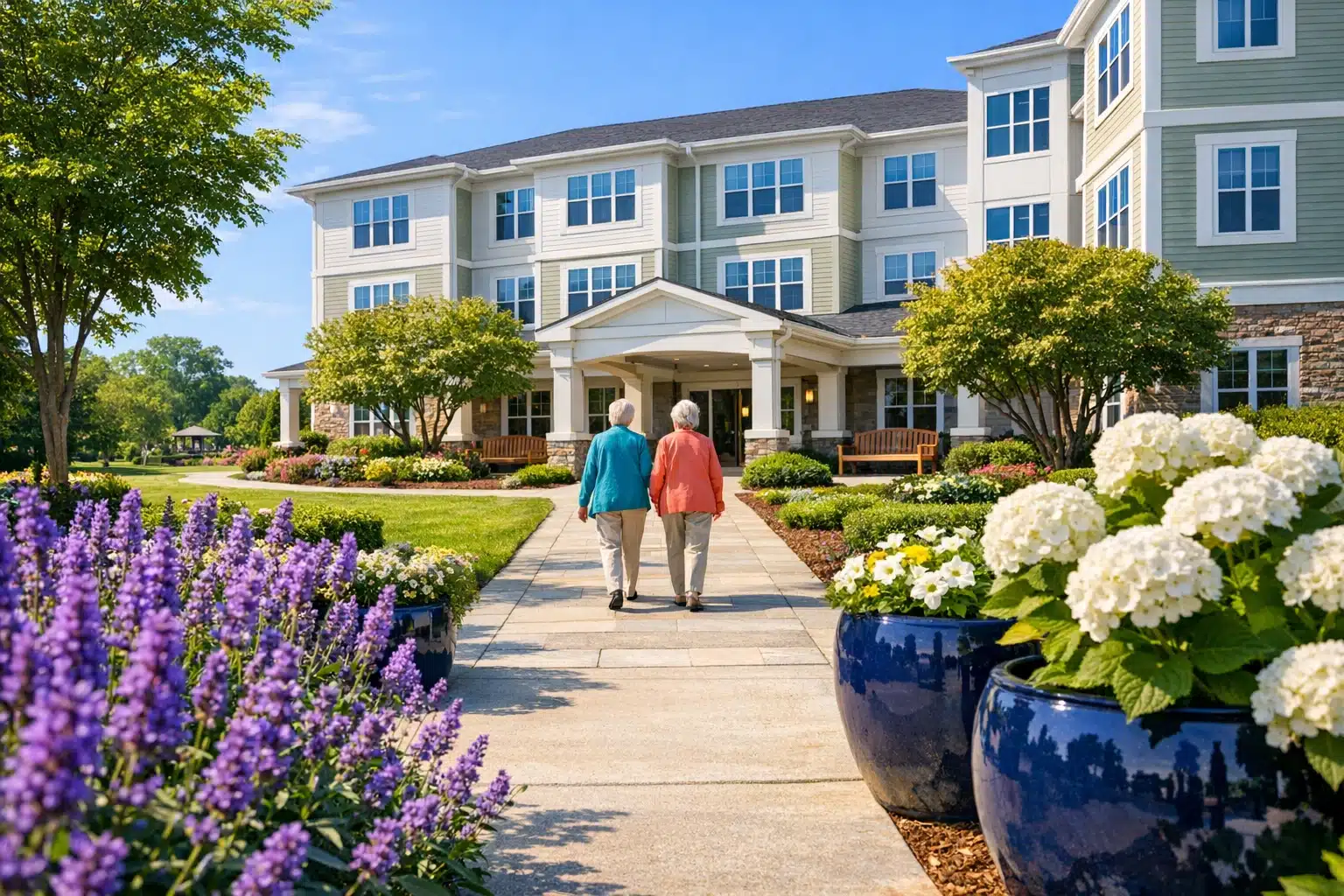
 Artificially generated image
 Senior Apartments with All Bills Included for Adults 60 and Older
Finding a place to live should feel calmer at this stage of life, not more complicated. For adults 60 and older, senior apartments with all bills included can simplify budgeting, reduce surprise expenses, and make everyday living easier to manage. They also offer a middle path between a standard rental and a care-focused setting, giving residents more predictability while preserving privacy. Before signing anything, it helps to understand what is truly included, how pricing is structured, and which features matter most for comfort and long-term value.
Article outline:
• what all-bills-included senior apartments are and who they suit
• which costs are usually covered, and which ones may still appear separately
• how to compare location, design, safety, and daily convenience
• where age rules, income limits, and waiting lists may affect your search
• which questions can help you choose with confidence before you sign a lease
Understanding Senior Apartments with All Bills Included
Senior apartments with all bills included are rental communities designed for older adults who want independent living with fewer financial surprises. In simple terms, the rent usually bundles common household costs into one monthly payment. Instead of juggling separate accounts for electricity, water, trash pickup, or sometimes cable and internet, residents often pay one amount and know what to expect. That kind of predictability can feel like switching from a choppy road to a smoother lane, especially for people living on retirement income, Social Security, pension payments, or a carefully managed savings plan.
These properties are not the same as assisted living, and that distinction matters. Assisted living usually includes personal care support, medication help, and a broader service package, which often makes it much more expensive. A senior apartment, by contrast, is generally meant for people who can live independently. The value comes from simpler housing, age-friendly design, and reduced monthly complexity rather than hands-on medical or daily care.
Many communities use age thresholds such as 55+, 60+, or 62+, depending on ownership, local rules, and the way the property is marketed. An apartment advertised for adults 60 and older may offer features that are especially practical for later-life living, such as:
• step-free entrances
• wider doorways
• grab bars in bathrooms
• elevators in multi-story buildings
• on-site maintenance
• community rooms or activity calendars
The phrase all bills included also appeals to people who are downsizing from a larger home. A house may carry property taxes, lawn care, repair bills, and rising utility usage across changing seasons. An apartment with bundled costs can reduce both financial and physical upkeep. That does not mean every community offers the same value, however. One complex may include most utilities but charge separately for parking, internet, or air conditioning overages, while another may cover nearly everything except a phone plan.
For many renters, the deeper advantage is mental clarity. A single bill can make planning easier month after month. It becomes simpler to compare rent against income, estimate what remains for medicine, food, hobbies, and travel, and avoid the anxiety of winter heating spikes or summer cooling costs. That is why these apartments continue to attract attention among older adults who want independence without the burden of constant household management.
What “All Bills Included” Usually Means and How the Costs Compare
The most important step in evaluating this type of housing is to look past the headline and inspect the details. All bills included sounds wonderfully complete, but the actual package can differ from one community to the next. In many cases, the rent covers water, sewer, trash service, and at least some level of electricity or gas. Certain buildings also include basic cable, internet, pest control, and maintenance. Others may set a utility allowance, meaning the landlord covers charges up to a limit and the resident pays any amount above that threshold.
That distinction affects real-world affordability. A private-market apartment with a higher monthly rent may still be a better deal than a lower-rent unit that adds several separate bills afterward. Think of it like comparing two grocery carts: one looks cheaper until you reach the checkout and discover half the essentials were never included. For older renters, especially those on fixed income, those extra fees can matter more than the advertised base rate.
When comparing options, ask for a written list of included expenses. Focus on these common categories:
• electricity
• natural gas or heating fuel
• water and sewer
• trash and recycling
• internet or cable
• parking
• laundry access
• maintenance and emergency repairs
It also helps to consider seasonal risk. Utility prices can rise sharply depending on region, weather, and energy use. In a traditional lease, a particularly cold month or heat wave may strain the budget. In a bundled arrangement, that volatility is often softened or removed. That can be especially helpful for adults who spend more time at home and need steady indoor comfort.
Still, bundled rent is not automatically the cheapest option in every situation. Someone who uses very little electricity and lives in a mild climate might find a standard lease more economical. On the other hand, a resident who values simplicity, dislikes opening multiple accounts, or wants fewer surprise charges may prefer the all-inclusive model even if the sticker price is slightly higher. The right choice depends on personal habits, regional costs, and whether convenience carries as much value as the raw monthly number.
A smart comparison is to total the full monthly cost, not just the rent line. Add typical utilities, service fees, transportation needs, and maintenance-related expenses. Once those numbers are placed side by side, the decision often becomes clearer. What seems expensive at first glance may actually be the steadier and more practical housing choice.
Features That Matter Most: Accessibility, Location, Safety, and Daily Comfort
A good senior apartment is not only about price. It is also about how well the space supports everyday life now and in the years ahead. An all-bills-included apartment can look attractive on paper, but if it is hard to reach, difficult to navigate, or isolated from basic services, the bargain may lose its shine quickly. Choosing well means looking at the entire living experience, from the parking lot to the bathroom floor to the distance between the front door and the nearest grocery store.
Accessibility is one of the first things to examine. Even residents who are active and mobile today often prefer a home that is easier to age into rather than outgrow. Practical design features include walk-in showers, non-slip flooring, lever-style door handles, bright hallway lighting, wide turning space, and elevators that work reliably. Small details can make a large difference. A single step at an entrance may seem minor until groceries, bad weather, or a sore knee turns it into a daily obstacle.
Location deserves equal attention. A lower rent in a remote area may be less valuable if every errand requires a long drive. Many older adults prioritize apartments near:
• medical offices and pharmacies
• grocery stores and banks
• public transportation or shuttle service
• parks, libraries, and senior centers
• places of worship
• trusted family or friends
Safety should also be assessed with a calm, practical eye. Look for secure entry systems, well-lit common areas, responsive management, smoke detectors, clear evacuation procedures, and maintenance that addresses problems promptly. Ask current residents, if possible, whether repairs are handled quickly and whether the building stays clean and quiet. The daily tone of a place often tells more than the brochure does.
Comfort and social fit matter too. Some communities are lively, with clubs, card games, group meals, and holiday events. Others are quieter and better for people who want privacy above all else. Neither approach is better for everyone. The ideal environment depends on personality, health, transportation habits, and lifestyle preferences. A well-chosen apartment should support independence without feeling lonely, and offer convenience without feeling institutional.
In the end, the best community usually balances four things at once: manageable cost, easy movement, dependable safety, and a location that supports normal life. When those elements come together, the apartment becomes more than a place to sleep. It becomes a setting that makes each ordinary day run with less friction.
Eligibility, Affordable Housing Programs, and the Application Process
Not every senior apartment follows the same eligibility rules, which is why the application stage deserves close attention. Some communities are private rentals with age preferences and straightforward leasing standards. Others are income-restricted properties tied to affordable housing programs. In the United States, older adults may encounter properties linked to programs such as Low-Income Housing Tax Credit communities or HUD-supported housing, including developments created for lower-income seniors. These options can be valuable, but they often come with documentation requirements and waiting lists.
The age rule itself can vary. One building may accept residents beginning at 55, another at 60, and another at 62. An apartment advertised for adults 60 and older may still allow a younger spouse or caregiver under certain lease terms, but that depends on the property. It is always wise to confirm the exact age policy in writing rather than relying on an advertisement or third-party listing.
Income rules are another major factor. Affordable senior communities may require proof that household income falls below a set percentage of the local area median income. Applicants are often asked for:
• government-issued identification
• birth date verification
• income statements or benefit letters
• bank statements
• prior rental history
• emergency contact information
Because demand can be high, waiting lists are common in desirable areas. It is not unusual for well-located affordable units to fill quickly, especially those with elevators, on-site laundry, transportation access, or unusually broad utility coverage. Private all-inclusive apartments may move faster and involve less paperwork, but they can also carry higher rents. For some households, the tradeoff is worth it because the move-in process is simpler and the unit is available sooner.
Application fees, deposits, pet rules, smoking policies, guest rules, and recertification requirements should all be reviewed carefully. In income-restricted housing, annual recertification may be required to confirm that eligibility still applies. In private rentals, the lease terms may be less complex, but residents still need clarity on renewals, rent increases, and service changes.
This stage rewards patience and organization. Keep copies of documents, write down names and dates from every conversation, and ask for a printed explanation of what is included in the rent. A little paperwork may feel tedious, but it can prevent larger problems later. In a housing search, clear information is not a luxury. It is protection.
Choosing with Confidence: Final Advice for Adults 60 and Older
When the search begins, it is easy to focus only on the monthly number. Yet the strongest choice usually comes from matching the apartment to the life you want to live there. A truly suitable senior rental should fit your budget, simplify your routine, and leave room for the things that still make a week feel full, whether that means family visits, morning walks, volunteering, reading by a sunny window, or simply enjoying a quieter pace.
Before committing, tour more than once if possible. Visit at different times of day. Notice hallway noise, parking availability, staff responsiveness, and the general mood of the building. During a first visit, an apartment may seem polished and perfectly staged. A second visit often reveals the practical truth: whether the elevator is dependable, whether the common areas stay tidy, and whether residents appear comfortable in the space.
Bring a written checklist and ask direct questions such as:
• Which utilities are fully covered?
• Are there caps, overage charges, or seasonal adjustments?
• How are maintenance requests handled after hours?
• Is transportation available for shopping or medical appointments?
• Are grab bars, elevators, and step-free routes available throughout the property?
• What rent increases have occurred in recent years?
• Is there a waiting list for preferred floor plans?
If possible, compare the total cost of staying where you are against the total cost of moving. Include home repairs, yard work, fuel, utility fluctuations, and the time required to manage everything. For many older adults, the value of an all-bills-included apartment is not merely financial. It is also the relief of replacing many moving parts with one predictable arrangement.
For adults 60 and older, the best outcome is rarely the flashiest brochure or the newest paint. It is the home that feels workable on an ordinary Tuesday. A place where the bills are understandable, the rooms are easy to move through, the neighborhood supports daily needs, and the lease does not hide unpleasant surprises. If you approach the search with patience, written questions, and a clear sense of your priorities, you can choose a community that protects both your budget and your independence. That is the real promise of this housing option: not perfection, but steadier living with fewer burdens to carry.