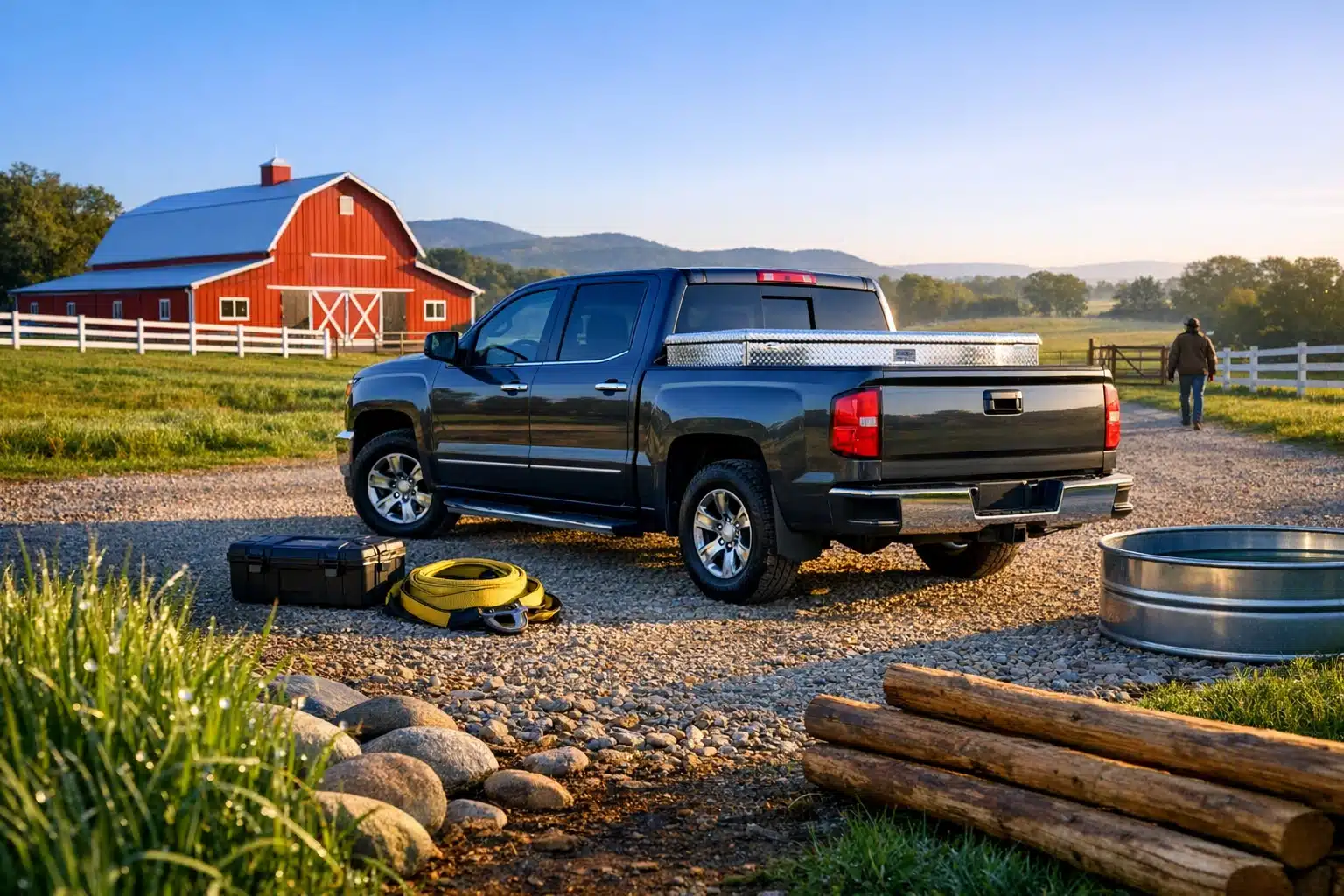
 Artificially generated image
 Tractor Supply Tool Box Equipment in 2026: What Shoppers Should Know
In 2026, talk of Tractor Supply clearing out tool box equipment matters for more than bargain hunters chasing bright sale stickers. Tool storage affects safety, efficiency, and long-term value, whether someone is fixing a fence, servicing a pickup, or trying to tame a crowded garage bench. A clearance push can point to seasonal resets, discontinued inventory, or changing customer demand, and shoppers who understand that context are far more likely to find a solid buy instead of hauling home an expensive compromise.
Before getting into the details, here is a quick outline of what this article covers.
- Why a retailer like Tractor Supply might mark down tool box equipment in 2026
- Which product categories are most likely to appear in a clearance event
- How to evaluate quality, storage value, and real-world usefulness
- How Tractor Supply compares with home improvement chains, discount tool stores, and online sellers
- What practical shoppers should do before buying, especially for farm, home, and truck use
Why Tractor Supply Might Be Clearing Out Tool Box Equipment in 2026
When shoppers hear that a retailer is “clearing out” a category, the phrase can sound dramatic, as if entire aisles are being emptied overnight. In practice, clearance activity is usually more ordinary and more strategic. Retailers rotate inventory to free up floor space, remove slower-selling items, introduce updated models, or simplify brand assortments. For a chain like Tractor Supply, which serves rural homeowners, farmers, ranchers, pet owners, and practical do-it-yourself customers, every square foot has to justify itself. Feed, fencing, seasonal tools, outdoor power equipment, workwear, and truck accessories all compete for attention, and bulky tool storage products take up a surprising amount of room.
That matters because tool boxes are not impulse items in the same way as gloves, drill bits, or fasteners. Larger chests, rolling cabinets, and truck-mounted boxes are higher-cost purchases. They also create logistical challenges. They are heavy, awkward to move, and expensive to ship. If a particular model is not turning fast enough, clearance pricing becomes a straightforward way to reduce carrying costs and make space for inventory that better matches the coming season.
Several factors may explain why tool box equipment sees markdowns in 2026:
- Seasonal merchandising resets, especially before spring work season or year-end transitions
- Vendor changes that replace one brand assortment with another
- Discontinued model numbers or packaging updates
- Regional demand differences, where one store sells through quickly while another does not
- Increased competition from online sellers offering wider dimensions and direct shipping
Another point worth understanding is that not every clearance tag means a storewide policy or a permanent exit from the category. Sometimes only certain sizes, finishes, or configurations are marked down. A black steel rolling cabinet may be reduced while the same cabinet in red remains full price. A truck tool box sized for a specific bed width may be moved out because local demand skewed toward another fit. In retail, the story is often written in small print, not headlines.
Shoppers should also distinguish between terms that sound similar but do not mean exactly the same thing. “Clearance” often signals a final markdown phase. “Closeout” may indicate an item will not be reordered. “Limited stock” can simply mean the store has only a few units left, not necessarily that the price is exceptional. If the clearance aisle feels like a treasure map drawn in bright stickers and half-finished price labels, that is because retail cleanup is rarely poetic. Still, understanding the why behind the markdown gives the buyer a major advantage. It turns a hunt for bargains into a more disciplined decision about timing, value, and fit.
Which Tool Box Equipment Categories Shoppers Are Most Likely to See
The phrase “tool box equipment” is broad, and that can create confusion when shoppers arrive expecting one thing and find another. At Tractor Supply, the category may include far more than a classic metal tool chest. Depending on the store and region, clearance products could range from compact portable boxes to truck bed crossovers, rolling mechanic cabinets, small-parts organizers, jobsite boxes, drawer liners, locking accessories, and mounting hardware. Knowing the differences helps buyers focus on what actually solves their problem instead of being distracted by size or price alone.
Portable tool boxes are often the most approachable option. These can be molded plastic, resin-based, or light-gauge metal, and they are designed for mobility rather than massive storage. Homeowners tend to like them for grab-and-go use: one box for electrical tools, another for plumbing basics, another for fencing repairs. They usually offer modest capacity, simpler latches, and lower price points. If a shopper needs organization for occasional household projects, these can be more sensible than a giant chest that sits half empty.
Rolling cabinets and top chests sit at the other end of the spectrum. These are the workshop anchors, the pieces that suggest a person has graduated from “Where is my socket set?” to “I need a dedicated drawer for torque tools.” Better models often feature ball-bearing drawer slides, heavier steel, stronger casters, and improved drawer depth. Clearance on these units can be attractive because assembled floor models occupy a lot of space and are costly for stores to keep around. The catch is that buyers should inspect them carefully for dents, drawer alignment issues, or missing keys.
Truck tool boxes are another likely category, especially in a retailer whose customer base includes pickup owners. These are commonly made from aluminum, sometimes with a diamond-plate finish, because aluminum resists rust and keeps weight manageable. Styles may include crossover boxes that sit behind the cab, side-mount units, or compact underbody options for utility setups. Fit matters here more than almost anything else. A discount is meaningless if the box interferes with bed rails, tonneau covers, or tie-down use.
Other products that may show up during a clearance event include:
- Small compartment organizers for fasteners, fuses, and hardware
- Weather-resistant storage boxes for outdoor or barn use
- Replacement locks, handles, or mounting brackets
- Drawer liners and non-slip mats
- Portable workstations or hybrid storage benches
Materials deserve special attention because they shape durability and use case. Steel cabinets usually offer better rigidity for stationary shop storage, but they are heavy and vulnerable to rust if finish quality is poor. Aluminum truck boxes trade some bulk strength for corrosion resistance and lighter handling. Resin and polymer designs are practical for casual use, especially where moisture is a concern, though they rarely match metal for long-term abuse. In short, the category is more layered than it first appears. A smart shopper matches the product type to the job, not just to the markdown label.
How to Judge Whether a Clearance Deal Is Actually Worth Buying
A lower price is not the same thing as better value. That sounds obvious, yet clearance events regularly tempt shoppers into buying the largest box they can justify rather than the one they truly need. The smarter approach is to evaluate tool storage the way you would evaluate a work truck or a mower: by looking at build quality, practical function, total cost, and how well it fits the job you do most often. A tool chest that swallows your budget but barely fits your workspace is not a bargain. It is a metal reminder that excitement got there before judgment.
Start with construction. For metal products, thickness matters, even if many shoppers never ask about gauge or panel rigidity. Heavier construction generally improves drawer stability, cabinet strength, and long-term resistance to twisting. You do not need to speak like a fabrication engineer, but you should open drawers, check how they glide, and see whether the cabinet flexes when weight shifts. Ball-bearing slides tend to perform more smoothly than simpler friction designs, especially when drawers hold sockets, impacts, or hand tools in quantity.
Locks and latches deserve a close look too. Clearance units, especially floor models, may have been opened hundreds of times. If a latch already feels loose in the store, it will not become tighter after a year in a dusty garage. Weather seals matter on truck boxes and outdoor storage. Even a small failure around the lid can invite water, road grime, and corrosion. For mobile use, lid supports and hinge strength should also be examined. A gas strut that strains during a store test will not inspire confidence on a cold, wet morning beside a muddy field.
When comparing deals, use a simple checklist:
- Measure your available space before shopping
- Count the types of tools you need to store, not just the total number
- Check drawer depth, weight capacity, and internal organization
- Inspect corners, welds, rivets, handles, wheels, and locks
- Confirm whether keys, mounting hardware, or liners are included
- Ask about return policy and warranty coverage on clearance items
It also helps to think in terms of cost per useful function rather than sticker price alone. A deeply discounted rolling cabinet with poor casters and shallow drawers may perform worse than a smaller, sturdier unit at a slightly higher price. The same logic applies to truck boxes: a cheap model that rusts, leaks, or blocks bed access can become more expensive over time than a better-fitted alternative. Some retailers discount bulky items by 10 to 30 percent during routine resets, while floor models or end-of-line pieces may drop further, but the exact markdown is only part of the story.
Finally, remember the hidden costs. Delivery, assembly, fuel for pickup, replacement parts, and even the time spent modifying a box to fit your truck all affect real value. Clearance can be a golden opportunity, but only if the product still works hard after the excitement of the sale has faded.
How Tractor Supply Compares With Other Places Selling Tool Storage in 2026
To understand whether a Tractor Supply clearance deal is attractive, it helps to compare the store with other common shopping channels. Buyers today are rarely choosing between one shelf and one cashier. They are weighing farm and ranch stores, home improvement chains, discount tool retailers, warehouse clubs, and online marketplaces, often within the span of a single afternoon. Each channel has strengths, and each carries trade-offs that can affect both price and satisfaction.
Tractor Supply’s advantage is context. Its shoppers often need products that fit a practical, mixed-use lifestyle. Someone buying feed, hydraulic fluid, work gloves, and trailer hardware may also need a truck box or a compact organizer for the barn. That overlap makes the store a logical place to stock storage products that serve home, farm, and vehicle use without feeling overly specialized. The selection may not always be the deepest in every cabinet size, but it often aligns well with customers who want durable utility rather than showroom polish.
Home improvement chains, by contrast, often provide a broader lineup of garage-focused storage. They may display more rolling cabinets, modular systems, and workshop furniture, especially in suburban markets where home garages are a major project category. Buyers who want highly coordinated systems, matching wall storage, or broader dimension choices may find more variety there. However, those retailers may not focus as heavily on truck-specific storage or rural-use practicality.
Discount tool stores are another meaningful comparison. They often compete aggressively on price and may carry more entry-level and mid-tier chests aimed at mechanics, hobbyists, and budget-conscious buyers. For some shoppers, that creates strong value. For others, especially those prioritizing fit, finish, and long-term durability, the lower price may come with compromises in steel thickness, hardware quality, or consistency across product lines. A great deal exists only where budget and expectations meet honestly.
Online marketplaces offer huge range but introduce their own complications:
- Shipping costs can erase headline savings on heavy items
- Dimensions and photos may be less trustworthy than in-person inspection
- Returns on oversized products are often inconvenient
- Assembly quality varies widely when products arrive flat-packed
- Customer reviews can help, but they may reflect very different use cases
Where Tractor Supply can stand out in 2026 is convenience paired with tangibility. Being able to touch drawers, lift lids, inspect welds, and judge footprint in person still matters. Rural customers especially may value avoiding freight damage, missed deliveries, or the headache of returning a massive cabinet by mail. On the other hand, if a shopper needs a very specific width, specialty mechanic layout, or premium modular system, another retailer may provide a better match.
The best comparison strategy is simple: use Tractor Supply as one option in a wider field, not as an automatic winner or loser. A clearance tag can make it highly competitive, but the strongest choice depends on product type, warranty terms, transport costs, and how closely the item matches your actual work.
What Smart Shoppers Should Do Before Buying in 2026
If you are part of Tractor Supply’s likely audience in 2026, meaning you manage a property, work from a pickup, maintain equipment, or simply want a more organized garage, the best approach is to shop with a plan rather than a pulse. Clearance buying works well for prepared shoppers because they already know what size, material, and storage style they need. It works poorly for everyone else because a markdown can make almost any box look heroic under store lighting. The right purchase is the one that earns its keep after the receipt is gone.
Start by identifying your use case. A homeowner doing occasional repairs may benefit most from a portable box and a small organizer set. A ranch or farm user may need weather-resistant storage that can handle dust, temperature changes, and repeated hauling. A pickup owner should think first about bed fit, corrosion resistance, and secure locking. A hobby mechanic or small engine repair enthusiast may be better served by a rolling cabinet with deeper drawers and better slide hardware. In other words, the box should follow the job, not the other way around.
It helps to make a pre-shopping list:
- Your available floor or truck-bed measurements
- The tools you use weekly, monthly, and seasonally
- Whether the box will stay indoors, outdoors, or in a vehicle
- Your maximum budget, including transport or accessories
- Must-have features such as locking, weather sealing, or casters
Timing can improve results too. Clearance events often become more compelling when stores are resetting departments or trying to reduce bulky leftovers. That does not guarantee a specific calendar window, but it does mean patient shoppers often see better pricing after prime demand periods have passed. The trade-off is obvious: waiting may lower the price, but it also reduces selection. The ideal moment is usually when the discount is meaningful and the exact size you need is still available.
For target shoppers, the practical advice is straightforward. If you run a home workshop, prioritize drawer usability and footprint efficiency. If you work out of a truck, verify fit and weather protection before anything else. If you manage land or livestock, choose durability and easy access over flashy finishes. If you are on a budget, buy the toughest box that covers your real tool set instead of stretching for empty space you may never fill.
The bottom line is this: a 2026 Tractor Supply tool box clearance could be a genuine opportunity, especially for buyers who understand how retail markdowns work and who inspect products with care. For rural homeowners, truck owners, garage tinkerers, and hands-on shoppers, the smartest move is not to chase the biggest discount. It is to buy the storage that makes daily work faster, safer, and less frustrating. When that happens, the clearance tag is not the main story. The lasting value is.