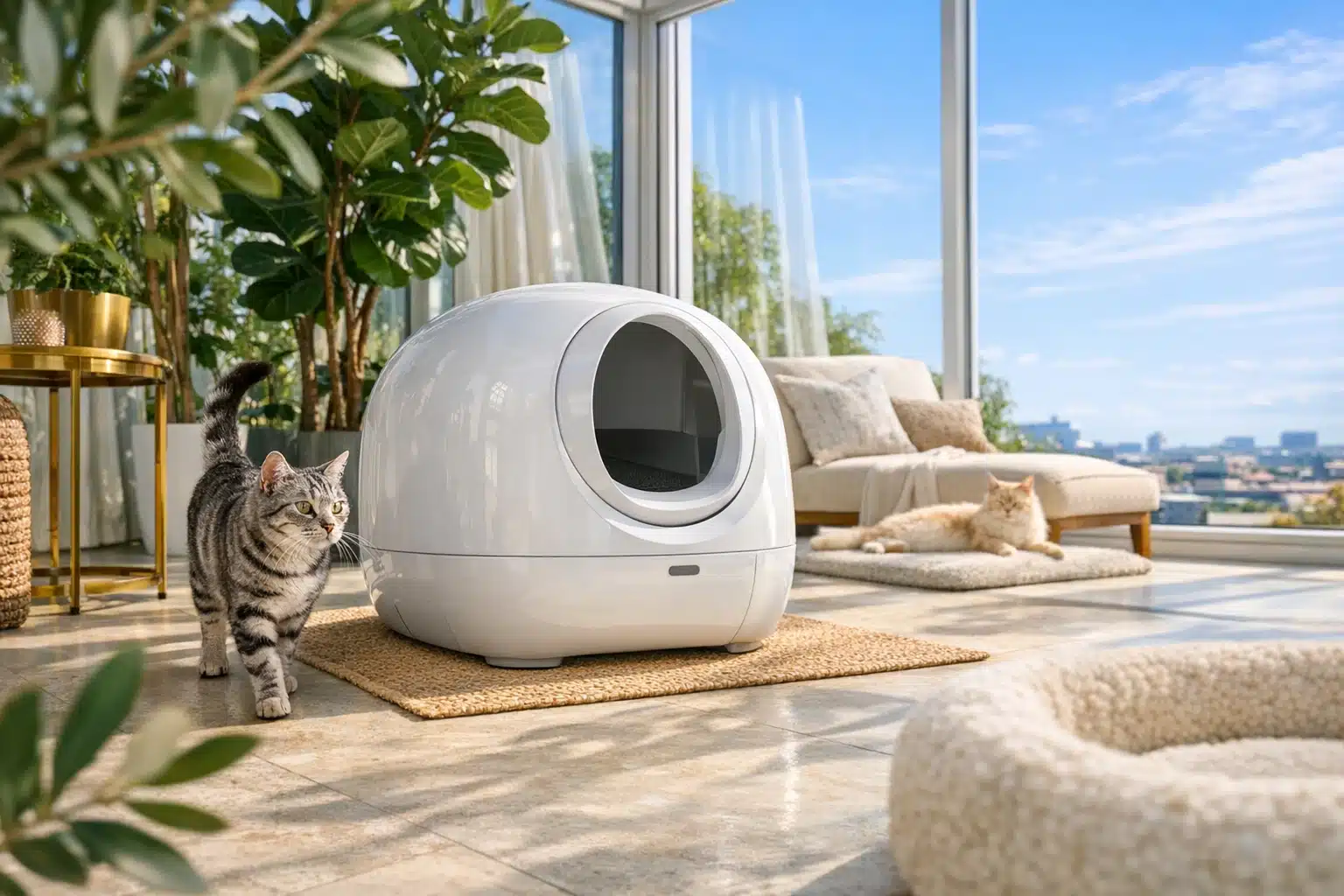
 Artificially generated image
 Walmart Is Clearing Out These Self-Cleaning Cat Litter Boxes
Finding a self-cleaning litter box at a lower price can feel like stumbling onto a quiet little victory for any cat owner. These machines promise less scooping, better odor control, and a tidier routine, yet their regular prices often make shoppers pause. When Walmart starts clearing out select models, the opportunity becomes more than a sale; it becomes a useful moment to weigh convenience, upkeep, and long-term value before buying.
Outline:
1. Why Walmart clearance on self-cleaning litter boxes matters and how these devices work
2. The features that deserve close comparison before you click buy
3. The real-life advantages and compromises of automated litter systems
4. How to shop Walmart deals wisely, including pricing, returns, and recurring costs
5. Which cat owners benefit most and the final takeaway for practical shoppers
Why Clearance Pricing on Self-Cleaning Litter Boxes Deserves Attention
Self-cleaning litter boxes sit at the crossroads of pet care and household convenience. They are designed to remove waste automatically after a cat uses the box, which can reduce daily scooping and help keep odors from lingering in the room. For many owners, that sounds like a modern answer to one of the least glamorous chores in the home. The catch, of course, is price. Automated litter boxes often start around the low hundreds and can climb much higher depending on whether they use rotating drums, raking arms, app controls, health tracking, or disposable tray systems. That is why a clearance event at a major retailer like Walmart catches attention so quickly.
When a retailer clears out a category, several things may be happening behind the scenes. A model may be seasonal, overstocked, being replaced by a newer version, or simply moving more slowly than expected. For shoppers, that can create a window where a premium-feeling product becomes more approachable. A lower shelf price does not automatically make every unit a bargain, but it does make the comparison process far more interesting. The smartest buyers look beyond the bright discount label and ask what they are really getting. Is the machine compatible with standard clumping litter, or does it require branded refills? Does it handle multi-cat homes, or is it intended for a single pet? Is it easy to clean by hand when deeper maintenance is needed?
Understanding the basic styles helps. Most self-cleaning litter boxes fall into a few common groups: • rake-based models that pull waste into a compartment • rotating or sifting units that separate clumps after each cycle • tray systems that use prefilled cartridges or disposable components. Each design solves the same problem differently. Rake systems can be simpler and cheaper, though some cats dislike the movement or sound. Rotating models often feel more advanced and may control odor better, but they usually cost more and take up additional floor space. Cartridge-based options can be convenient for busy owners, yet the ongoing refill expense deserves attention before checkout.
Walmart’s role matters because it reaches a wide range of shoppers, from first-time cat owners to families replacing an old litter setup. A clearance listing can signal a chance to try automation without committing to the highest-end segment of the market. It can also help experienced pet owners upgrade from a basic box to something that saves time each week. In a routine built around small, repeated tasks, even modest convenience adds up. That is the real relevance of this topic: not just saving money once, but potentially reshaping a daily habit that every cat household knows well.
What to Compare Before Buying: Features That Matter More Than Marketing
When shoppers see a self-cleaning litter box marked down, excitement can arrive before clarity. That is understandable. The product photos look sleek, the promise of less scooping sounds wonderful, and the discount creates a sense of urgency. Still, the best choice usually comes from comparing features that affect everyday use rather than chasing the flashiest description. A smart purchase begins with the cat, not the gadget. Size, temperament, mobility, and litter preferences all influence whether a box will become a trusted routine or a dusty regret in the corner of the laundry room.
Start with dimensions. Some automated litter boxes look roomy online but feel cramped in real life, especially for larger cats. A box that is too small can discourage use, which defeats the entire purpose. Entry height also matters. Senior cats, kittens, and pets with joint stiffness may need a lower step-in point. Noise is another feature that deserves more respect than it usually gets. A motorized cycle that sounds mild to a human can feel dramatic to a cautious cat. If your pet startles easily, quieter operation may be worth prioritizing over extra bells and whistles.
Litter compatibility is one of the most important details in the whole category. Many machines work best with clumping litter of a certain texture, while others require crystals, pellets, or proprietary trays. That detail can reshape the total cost of ownership over months, not just days. A lower clearance price means less if you later discover you are tied to expensive refills. A useful checklist might include: • compatible litter type • waste drawer capacity • odor control method • ease of washing interior surfaces • app features, if any • replacement part availability. These details are rarely glamorous, yet they determine whether the product remains convenient after the first week.
It also helps to compare safety features with a practical eye. Good self-cleaning units typically use sensors to delay movement when a cat is inside or immediately nearby. That is now a baseline expectation, not a luxury. Wi-Fi controls and activity logs can be genuinely useful in some homes, especially where owners want reminders or want to track whether a cat is using the box regularly. However, an app should be treated as a bonus, not the main reason to buy. Reliable mechanical performance matters more than a dashboard full of numbers. The best clearance buy is not necessarily the one with the most features. It is the one whose features fit your cat’s habits, your cleaning style, and your budget over time.
The Real Benefits and Trade-Offs of Automated Litter Boxes
Self-cleaning litter boxes are often described as if they erase the messy side of cat ownership entirely. Reality is less magical, but still meaningful. These products do not eliminate maintenance; they reduce and reorganize it. Instead of scooping one or more times per day, many owners empty a waste drawer every few days, wipe internal surfaces on a schedule, and perform deeper cleaning periodically. That shift can feel significant in busy households, especially where work, school, and pet care compete for attention. The result is less hands-on contact with waste and a tidier daily routine, which is exactly what attracts many shoppers when Walmart marks these items down.
The most obvious benefit is convenience. For owners who travel locally, work long hours, or simply dislike the repetitive task of scooping, automation can create breathing room. Odor control is another advantage, especially when clumps are removed shortly after use rather than sitting in an open box. Some models also help reduce litter waste by separating only the soiled portion, leaving more clean litter behind. In multi-cat homes, that can make the environment feel fresher and more manageable. There is also a subtle emotional benefit: when the litter area stays more consistently clean, people tend to feel less resistance toward the whole routine. A once-annoying task becomes a lighter piece of home maintenance.
Still, every benefit arrives with a counterweight. Automated boxes usually require electricity or batteries, they take up more space than a simple pan, and they can be intimidating for cats that dislike movement or unfamiliar sounds. Some pets adapt within hours; others need days or weeks of patient transition. Cost remains the largest trade-off. The purchase price is only the first layer. Ongoing expenses may include liners, filters, trays, special litter, deodorizers, or replacement components. A budget-minded buyer should treat the system like a small appliance rather than a one-time pet accessory.
There are practical drawbacks as well. If a unit jams, sensors misread, or waste sticks in awkward corners, the owner still needs to step in. No machine replaces observation. Cat owners must continue monitoring stool quality, urination patterns, and general litter box habits because those can signal health issues. In fact, a box that is too automated can tempt people to look less closely. That is not a reason to avoid the category; it is simply a reminder to use automation as a tool, not as total detachment. The best way to view these products is through honest balance: • less daily labor • better consistency for many homes • higher upfront and recurring costs • occasional troubleshooting. For the right household, that trade is worth it. For others, a traditional box plus disciplined scooping may remain the smarter choice.
How to Shop Walmart Clearance Like a Careful Buyer, Not an Impulse Buyer
A clearance price can create the feeling that hesitation equals losing. Retailers know that urgency moves products, and shoppers know that pet gear can disappear quickly once discounted. Yet the most useful way to approach Walmart clearance on self-cleaning litter boxes is with a calm, methodical mindset. The goal is not to “win” the listing; the goal is to bring home a product that works well for your cat and continues to make sense after the excitement of the deal has faded. That means looking at more than the red tag.
First, compare the sale price with the broader market rather than assuming the markdown is automatically exceptional. A model listed as clearance may still be priced similarly to competing retailers, especially if a newer version has entered the market. Product age matters because support, replacement parts, and app updates can become less certain over time. If the unit depends on accessories, check availability before buying. A litter box is not much of a bargain if its liners or trays are difficult to find six weeks later. Think in terms of total ownership cost. A quick formula helps: purchase price plus likely monthly supplies plus cleaning extras plus any warranty cost. That simple arithmetic often reveals whether a cheaper model is actually more expensive over the long run.
Return policy is another piece of the puzzle. Cats are famously opinionated. A box can look perfect on paper and still be rejected by the only decision-maker who really matters. Before ordering, review whether Walmart allows returns after the package is opened and what condition is required. That flexibility matters more here than in many other categories because pet acceptance is never fully guaranteed. It is also worth checking seller details if the listing is from a marketplace partner rather than directly from Walmart, as return timelines and service quality may differ.
You can also shop more strategically by matching the clearance model to your household type. A single-cat apartment may benefit from a compact, quieter unit with a modest waste bin. A busy family with two or three cats may need a larger capacity system even if the discount is smaller. Useful buying questions include: • How often am I willing to empty waste? • Does my cat tolerate enclosed spaces? • Will I mind proprietary supplies? • Is there room near a power outlet? • Do I need app connectivity, or am I paying for a feature I will ignore? That sort of practical filter keeps the purchase grounded. Walmart clearance can absolutely uncover value, but real value appears when the product fits your space, your cat, and your habits with very little friction.
Final Take for Cat Owners: Who Should Buy, Who Should Pause, and What Matters Most
If you are the kind of cat owner who glances at the litter box and thinks, there has to be a better way, Walmart’s clearance selection can be worth a serious look. The strongest candidates for a self-cleaning model are usually busy professionals, multi-cat households, people managing odor in smaller living spaces, and anyone who wants more consistency in the day-to-day cleaning cycle. For these shoppers, a discount can lower the barrier to trying a product category that genuinely changes a weekly routine. The appeal is not only novelty. It is the steady convenience of removing one repetitive chore from the top of the to-do list.
That said, not every home benefits equally. Some cats strongly prefer open, simple boxes and may resist enclosed or motorized designs. Owners on very tight budgets may find that a high-quality traditional litter box, paired with dependable clumping litter and regular scooping, delivers better value than a discounted machine with recurring supply costs. Pet parents who enjoy keeping close visual tabs on litter habits may also prefer the simplicity of manual care. In other words, the right answer depends less on trendiness and more on fit. Automation is helpful when it supports your routine, not when it complicates it.
The best mindset is to buy for the long haul. A good self-cleaning litter box should save time, manage odor competently, and remain easy enough to maintain that you do not resent it after a month. Look for a model that matches your cat’s size, your tolerance for upkeep, and your willingness to pay for accessories. Remember the practical hierarchy: comfort for the cat first, reliability second, ongoing cost third, bonus features last. That order keeps the decision anchored in real life instead of marketing language.
So, are Walmart’s clearance self-cleaning litter boxes worth attention? Yes, often they are, especially when you use the markdown as an invitation to compare carefully rather than to rush. A well-chosen unit can make daily pet care smoother, cleaner, and less repetitive. A poorly chosen one can become an expensive experiment. For cat owners who want convenience without guesswork, the smartest move is simple: shop the deal with curiosity, read the fine print with patience, and let your cat’s habits guide the final decision.