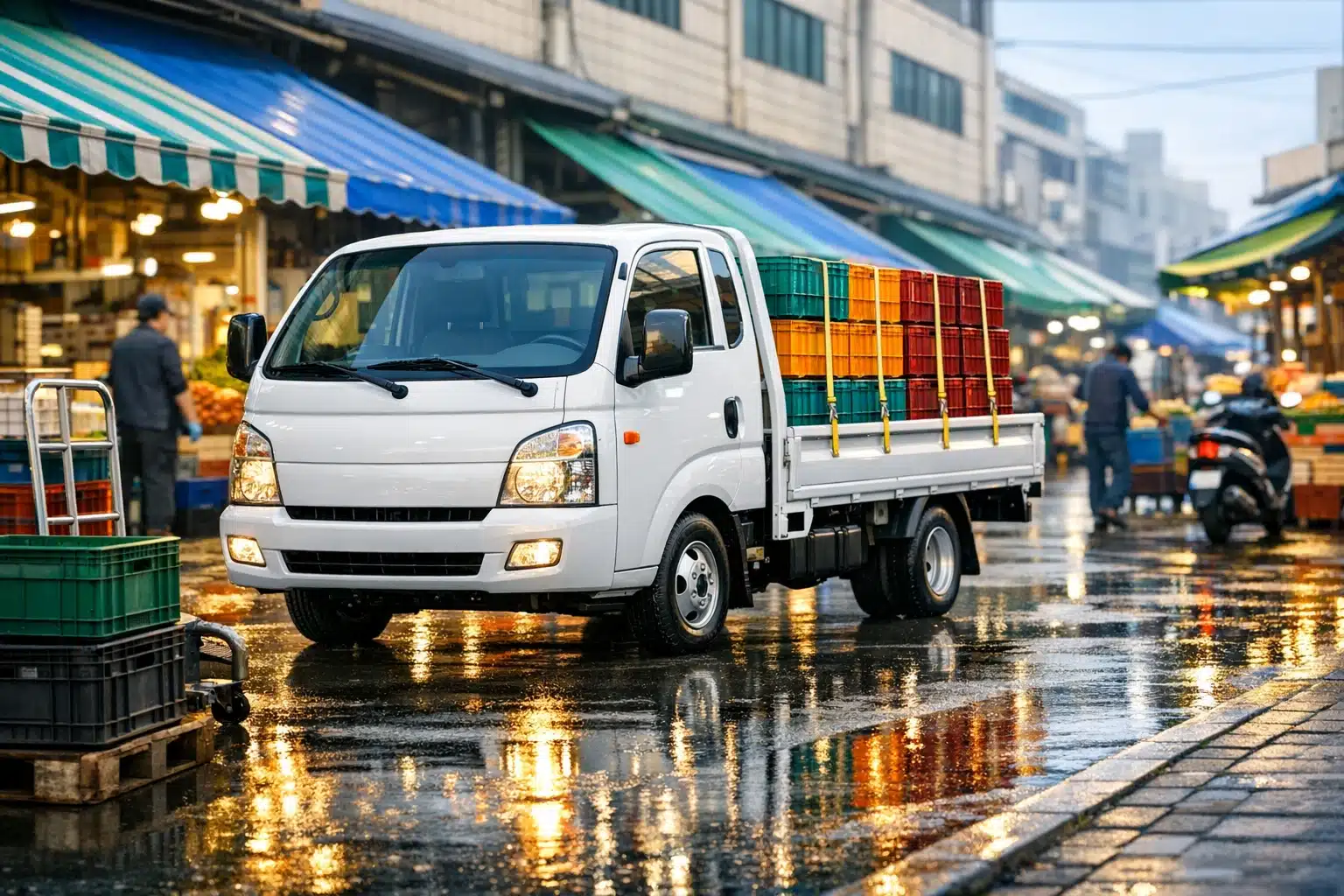
2026 Hyundai Porter: Features, Specs, and What to Expect
The Hyundai Porter matters because it sits at the busy intersection of small business, city logistics, and everyday practicality. For many buyers, a compact truck is not a lifestyle toy but a tool that has to start early, carry real weight, and keep operating costs under control. That makes any 2026 update worth close attention, especially as safety rules, electrification, and fleet economics keep reshaping the light commercial market. This guide looks at what the next Porter is likely to offer, where it may improve, and which buyers should watch it most closely.
Outline: What This Article Covers and Why the 2026 Porter Matters
Before diving into features and expectations, it helps to map out why the 2026 Hyundai Porter is a meaningful vehicle in the first place. The Porter has long occupied an important corner of the commercial market: the compact, cab-over, one-ton class that serves delivery companies, market vendors, maintenance crews, contractors, and independent business owners. It is not glamorous transportation, and that is exactly the point. Vehicles like this are purchased for access, maneuverability, payload efficiency, and the simple ability to keep work moving.
For 2026, the story is larger than a routine model-year refresh. Light commercial vehicles are being pushed by several overlapping trends. Urban centers increasingly favor cleaner, quieter delivery vehicles. Driver assistance systems that were once reserved for passenger cars are filtering into work trucks. Running costs matter more than ever, especially for small operators who feel every swing in fuel prices, tire wear, and service downtime. On top of that, buyers now compare trucks not only with direct rivals, but also with compact cargo vans and electric delivery vehicles.
This article follows a straightforward path so readers can quickly find what matters most:
-
First, it outlines the market role of the Porter and the reasons the 2026 model is worth watching.
-
Next, it looks at exterior design, body configurations, loading practicality, and the core cab-over layout that defines the vehicle.
-
It then examines likely powertrain directions, including the balance between diesel efficiency, possible electrified options, payload needs, and operating economics.
-
After that, it turns to the cabin, onboard technology, comfort, and safety features that modern buyers increasingly expect, even in a work-first machine.
-
Finally, it compares the Porter with its closest alternatives and closes with a buyer-focused summary on who should consider it.
There is one important note to keep in mind throughout: exact specifications can vary by country, trim, emissions regulations, and commercial use case. In some markets, the Porter line has included different bed lengths, cab styles, special-purpose bodies, and electric derivatives. That means the smartest way to discuss the 2026 version is to separate what is historically consistent about the Porter from what is most likely to evolve. Think of this article as a working blueprint rather than a brochure. Instead of promising miracle numbers, it aims to show where Hyundai is likely to strengthen the formula and why that matters to real-world buyers who need a truck that earns its keep, not just one that looks good on a spec sheet.
Design, Body Style, and Everyday Practicality
The Hyundai Porter’s defining feature is its cab-over layout, and that design decision shapes nearly everything buyers can expect from a 2026 model. In a cab-over truck, the driver sits above or very near the front axle, which shortens the overall vehicle length while preserving cargo space. For city work, that matters a great deal. A truck that can squeeze through narrow alleys, reverse into a cramped service lane, or make a U-turn without needing half the block is more useful than a larger pickup with a longer nose and less efficient cargo packaging.
If Hyundai keeps the Porter true to form, the 2026 version should continue prioritizing practical body configurations over cosmetic drama. Buyers typically care more about bed length, side access, floor height, tie-down points, and body conversion compatibility than they do about bold styling details. Even so, commercial vehicles do evolve visually. Expect a cleaner front fascia, improved lighting signatures, and a more modern approach to mirrors, grille treatment, and bumper integration. Those changes are not only about appearance. Better light output, improved visibility, and smarter panel design can lower fatigue during early-morning routes and make minor repairs less frustrating.
One of the Porter’s strengths has always been versatility. Depending on market, buyers often look for versions such as:
-
Standard flatbed or dropside configurations for general hauling
-
Cab-chassis variants for custom bodies such as box vans, refrigeration units, or service modules
-
Single-cab and crew-oriented layouts for different staffing needs
-
Specialized commercial conversions aimed at food distribution, maintenance, or municipal work
That flexibility is a major reason the Porter remains relevant even as vans gain popularity. A van protects cargo better, but a light truck often wins on accessibility. Loading awkward shapes, oversized materials, or equipment that needs crane or forklift access is simply easier with an open bed. That is where the Porter continues to earn respect: it behaves like a compact footprint wrapped around a hard-working cargo solution.
Another likely area of improvement for 2026 is usability detail. Hyundai may refine step-in height, door opening angles, mirror visibility, storage around the cab, and bed-side convenience points. These can sound minor until you realize a delivery driver may repeat the same movement dozens of times in a single shift. A work truck lives or dies by repetition. If the handle is awkward, the blind spot is annoying, or the tailgate feels heavy, drivers notice it every day. In that sense, the Porter is less like a machine you admire from a distance and more like a reliable pair of boots: form matters, but fit matters more.
Likely Powertrains, Payload Expectations, and Running Costs
When buyers ask about the 2026 Hyundai Porter, they usually want answers to three practical questions: What will power it, how much work will it handle, and what will it cost to operate over time? Those questions matter more in the light commercial segment than flashy acceleration figures or top-speed bragging rights. The Porter is part of a class where durability, low-end pulling power, and predictable service intervals are worth far more than showroom theatrics.
Historically, the Porter has been associated with efficient commercial-grade engines and, in some markets, electric variants designed for urban use. That suggests the 2026 conversation may not revolve around a single universal setup. Instead, Hyundai is likely to continue tailoring the truck by region, emissions standards, and business use case. Diesel remains attractive in many commercial applications because of torque delivery, long-distance usability, and familiarity among operators. At the same time, electric light trucks make increasing sense for fixed routes, last-mile logistics, and operators who return to a central depot each night for charging.
For buyers, that creates a practical trade-off:
-
Diesel or conventional combustion versions typically favor range, quick refueling, and proven long-haul flexibility.
-
Electric versions often reduce local emissions, lower noise, and can offer lower day-to-day energy costs in the right charging environment.
-
Fleet managers must weigh purchase price, downtime, maintenance complexity, and route predictability before choosing between them.
The Porter’s one-ton reputation also matters here. Even when exact payload ratings vary, the truck’s identity is built around carrying real commercial loads rather than serving as a lifestyle pickup with occasional utility. That means the suspension, frame, and rear setup are expected to prioritize load-bearing stability. Buyers should not only look at the headline payload figure, but also how the truck behaves when partially loaded, fully loaded, or navigating uneven urban roads. A truck that sags, wallows, or struggles under stop-and-go conditions can quickly turn a strong paper specification into a weak ownership experience.
Running costs will likely remain central to the Porter’s appeal. Commercial buyers tend to calculate total cost of ownership with a sharper pencil than private buyers. Fuel or electricity expense, brake wear, tire replacement, service accessibility, and downtime all shape purchasing decisions. A slightly cheaper truck can become the more expensive choice if it spends too much time off the road. This is where Hyundai has an opportunity with the 2026 Porter: if it improves efficiency, service access, telematics support, and maintenance scheduling, the upgrade will be meaningful even without dramatic horsepower gains.
Put simply, the 2026 Porter does not need to be the most powerful machine in the segment to be compelling. It needs to be competent, durable, economical, and honest about the job it is built to do. For a work truck, that combination is often the real performance metric.
Cabin Comfort, Technology, and Safety Upgrades Buyers Should Watch
Work trucks used to be judged almost entirely by payload and purchase price. That is no longer enough. The modern light commercial buyer also expects a cabin that reduces fatigue, technology that helps with routing and communication, and safety systems that lower the chance of costly incidents. The 2026 Hyundai Porter is likely to be evaluated through that wider lens, especially by fleet operators who now understand that driver comfort and safety directly affect productivity, retention, and insurance exposure.
The Porter has traditionally been a function-first vehicle, so nobody should expect a luxury lounge on wheels. Still, there is a big difference between basic and crude. A better seat cushion, improved driving position, clearer instrument display, more useful cup holders, and smarter storage can make a long working day feel far less punishing. For a commercial truck, these are not decorative touches. They support the person who enters and exits the cabin repeatedly, manages invoices or route notes, takes phone calls through hands-free systems, and spends hours in traffic with tools or cargo behind them.
For 2026, the most realistic cabin improvements to watch for include:
-
A more intuitive infotainment or central display with smartphone connectivity
-
Improved climate controls and cabin insulation for hot delivery routes or winter starts
-
Additional storage pockets for documents, devices, charging cables, and daily essentials
-
Upgraded seat materials and ergonomics aimed at fleet durability rather than luxury theater
Safety may be the area where the Porter shows the clearest sign of the times. Features that once belonged to passenger cars have become far more common in commercial vehicles, and buyers increasingly expect at least a baseline suite of assistance tools. Depending on market and trim, that could include forward collision warning, autonomous emergency braking, lane departure alerts, parking sensors, reversing assistance, or improved camera visibility. Even if not every system appears on every version, the broader direction is obvious: a work truck now has to help protect both the driver and the business that depends on it.
This matters for another reason that is easy to overlook. A truck like the Porter often operates in demanding environments filled with pedestrians, scooters, cyclists, delivery stop points, tight curbside spaces, and rushed schedules. Those are exactly the conditions where visibility aids and driver alerts can provide real value. One scraped panel or low-speed collision may not sound dramatic, but in commercial use it can mean missed appointments, repair invoices, unhappy clients, and unexpected downtime.
The ideal 2026 Porter cabin, then, is not one that tries to mimic a premium SUV. It is one that feels clean, practical, easy to understand, and built around the rhythm of actual work. If Hyundai gets that balance right, the Porter will feel more modern without losing the plain-spoken honesty that long-time commercial buyers tend to appreciate.
Competition, Buyer Expectations, and Final Thoughts for Small Business Owners
The 2026 Hyundai Porter will not be judged in isolation. Buyers will compare it with direct one-ton rivals, compact cargo vans, used commercial trucks, and in some cases even small pickups that promise a blend of work use and private transport. That broader comparison is important because the Porter succeeds when buyers understand exactly what it is designed to do. It is at its best as a dedicated work partner, especially where maneuverability, easy loading, and efficient use of urban space matter more than image or weekend versatility.
Against compact vans, the Porter usually offers better open-bed flexibility, simpler loading for awkward cargo, and easier adaptation for specialist bodies. Against larger pickups, it often wins on footprint efficiency and commercial packaging. Against older second-hand trucks, a newer Porter may justify its higher price through lower downtime, better safety equipment, cleaner emissions compliance, and easier day-to-day operation. The main question is not whether the Porter can do everything. It is whether it can do your specific job more efficiently than the alternatives.
Small business buyers should think about the 2026 model in terms of task matching. Ask practical questions before fixating on trim names or marketing language:
-
Do you mostly work in dense cities where turning space and curb access are limited?
-
Is your cargo bulky, irregular, or easier to handle on an open bed than in an enclosed van?
-
Do you run fixed local routes that make an electric variant worth considering?
-
Will the truck be driven by one person for years, or shared across a team with different priorities?
-
How important are service network access, uptime, and resale value in your region?
If Hyundai improves the Porter in the areas buyers feel every day, such as visibility, efficiency, safety, and cabin usability, the 2026 version could remain a very sensible choice in the light commercial market. It does not need reinvention for that to happen. In fact, overcomplicating a truck like this would be a mistake. The Porter’s appeal has always come from purpose. It shows up, fits into tight places, carries what needs carrying, and keeps moving through the kind of routine that pays bills rather than attracts attention.
Conclusion: Who Should Pay Closest Attention
The buyers who should watch the 2026 Hyundai Porter most closely are owner-operators, delivery businesses, tradespeople, municipal users, and fleet managers who value efficiency over flash. If your work depends on compact dimensions, meaningful payload, flexible body options, and predictable operating costs, the Porter remains highly relevant. If you need a vehicle that doubles as a family cruiser or leisure machine, a van or pickup may fit better. For everyone else who sees a truck as a daily business asset, the 2026 Porter looks set to remain what it has long been at its best: a practical tool shaped by real work.