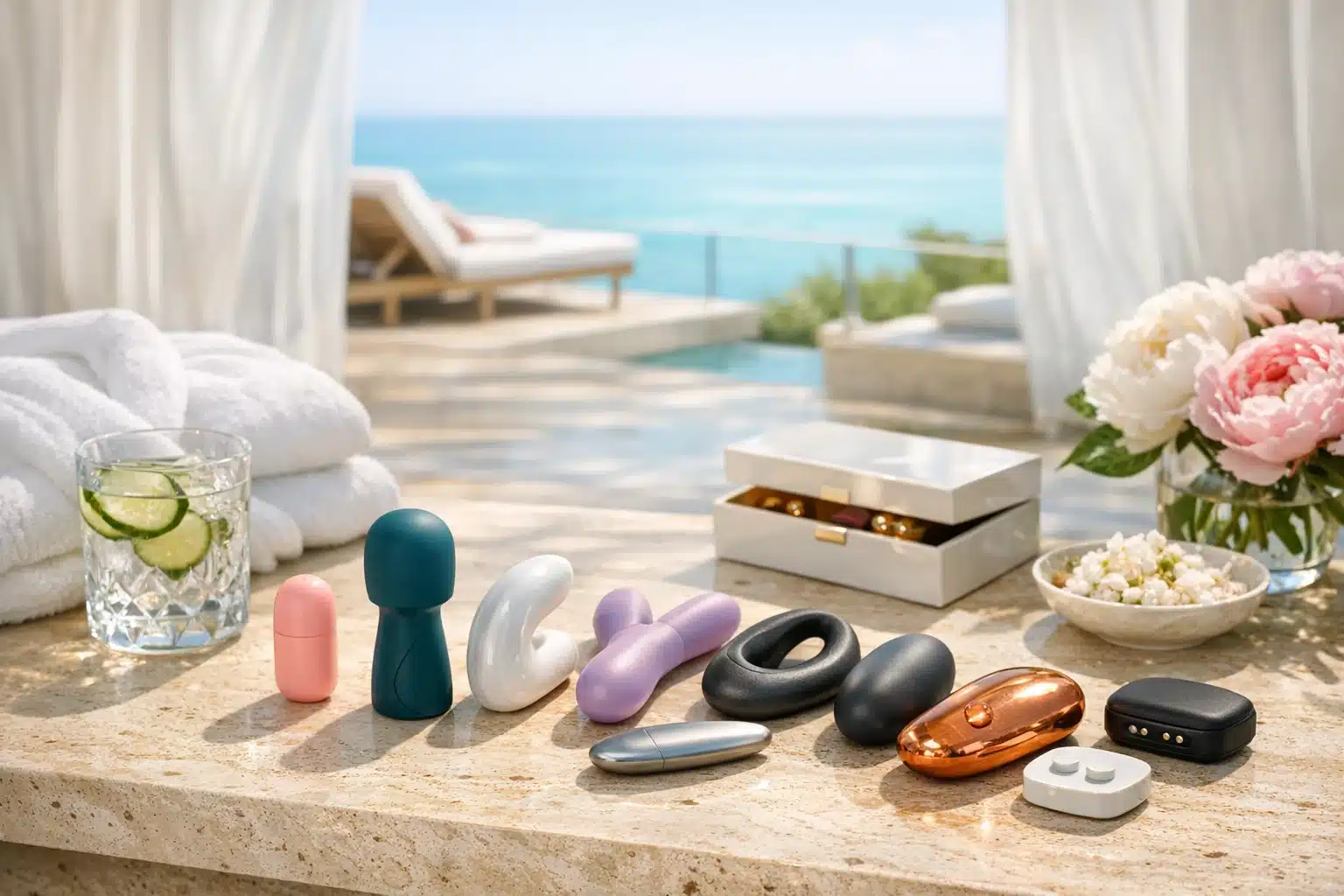
Top 10 Intimate Wellness Devices for Women
Intimate wellness devices have shifted from a whispered topic to a practical part of self-care because more women want products that support comfort, exploration, and body awareness without mystery or shame. The challenge is that the market now includes everything from tiny bullets to app-linked wearables, and those differences matter. This guide breaks down ten leading device types, explains what each does well, and shows how factors like material, noise, fit, and charging shape the real experience.
Outline, Buying Criteria, and Devices 1–2: Air-Pulse Stimulators and Mini Bullet Vibrators
Before looking at the top ten device categories, it helps to know the roadmap for this article and the standards used to compare them. The list moves from beginner-friendly external options to more specialized designs, including internal, wearable, and app-connected devices. Along the way, the most important shopping factors stay the same: safe materials, easy cleaning, intuitive controls, dependable charging, and a shape that suits your anatomy rather than forcing you to adapt to the product. In other words, a good device should feel like a smart tool, not a puzzle with a charging cable.
A short outline of the article looks like this:
• Section 1 covers how to compare devices and introduces air-pulse stimulators and mini bullets.
• Section 2 explores wand massagers and finger-friendly designs.
• Section 3 examines G-spot vibrators and rabbit-style dual stimulators.
• Section 4 focuses on pelvic floor trainers and wearable remote devices.
• Section 5 looks at app-connected tools, warming massagers, and final buying advice.
Device number one, the air-pulse stimulator, stands out because it does not rely on typical direct vibration alone. Instead, it uses pulses of air around an external focus point, creating a rhythmic fluttering sensation that many users describe as distinct from standard buzzing. This category often appeals to people who find traditional vibration too blunt or numbing after a few minutes. Most models are compact, rechargeable, and made with body-safe silicone around the contact area. They are often quieter than powerful wands, but they also tend to cost more than entry-level devices. Another consideration is the learning curve: placement matters, and a millimeter can change the experience from underwhelming to excellent.
Device number two, the mini bullet vibrator, remains one of the most practical starting points in intimate wellness. It is small, straightforward, affordable, and easy to store. A bullet is usually designed for external use and tends to be best for targeted stimulation because its tip concentrates power in a narrow area. It travels well, often charges by USB, and is less intimidating than larger devices. The trade-off is that inexpensive bullets sometimes use higher-pitched, buzzier motors and offer less depth of sensation than premium options. Even so, for beginners, a quality bullet often delivers the clearest lesson in what they actually like. If the air-pulse device is a specialist, the bullet is the reliable everyday notebook: modest, useful, and surprisingly effective when chosen well.
When comparing these two categories, think in terms of sensation style and budget. Air-pulse stimulators feel more specialized and often more luxurious, while mini bullets offer flexibility and accessibility. Both benefit from nonporous materials, simple controls, and waterproofing that makes cleaning easier. For many first-time buyers, the mini bullet is the easier entry point, while the air-pulse device is often the first upgrade after someone learns they want precision without constant direct pressure.
Devices 3–4: Wand Massagers and Finger-Friendly Designs
Device number three, the wand massager, is the powerhouse of the group. Originally popularized as a body massager, the wand format became a staple in intimate wellness because its broad head and strong motor create deep, diffuse external stimulation. Rather than pinpoint pressure, a wand spreads sensation across a larger area, which some users find more comfortable and more effective, especially when they prefer intensity without sharp focus. Larger wands may be corded or rechargeable, while smaller travel wands trade some power for portability. This category is especially useful for women who have already learned that lower-powered toys leave them waiting for something that never quite arrives.
Still, wand massagers are not universal winners. They are bulkier, usually louder, and rarely the most discreet option for storage or travel. Battery life can also vary widely, with many rechargeable models running somewhere between 60 and 180 minutes depending on power level. A broad head makes them excellent for external use, but not ideal for people who want very precise placement. If a mini bullet feels like a sketch pencil, a wand is a paint roller: bold, efficient, and hard to ignore.
Device number four, the finger vibrator or palm-sized ergonomic design, takes the opposite approach. These devices are made to fit naturally into the hand, often with a loop, strap, or curved shell that helps the toy stay in place. That secure grip matters more than marketing sometimes admits. A device that slips, rotates, or requires constant repositioning can quickly become annoying. Finger-friendly designs work well for solo use and can also be easier to incorporate with a partner because they do not demand a large grip or an awkward angle.
Compared with wands, these compact ergonomic devices are usually quieter, lighter, and more maneuverable, though they are often less powerful. Their strength lies in control, not sheer force. Many have smooth silicone exteriors, sealed buttons, and straightforward charging docks, which makes them easy to maintain. Good models also avoid unnecessary complexity. Instead of ten forgettable patterns, they offer a handful of usable settings with a memory function that returns to the last mode. That practical detail can matter more than flashy packaging.
If you are choosing between a wand and a finger-friendly design, ask what you value most:
• Broad, deep, high-powered sensation points toward a wand.
• Lower noise, easier handling, and partner-friendly use point toward an ergonomic handheld.
• Frequent travel often favors compact devices.
• Sensitive users may prefer a shape that allows smaller adjustments in pressure and angle.
These two categories show a recurring truth in intimate wellness: stronger is not automatically better. The best device is the one you can position comfortably, control easily, and use without friction in the practical sense as well as the literal one.
Devices 5–6: G-Spot Vibrators and Rabbit-Style Dual Stimulators
Device number five, the G-spot vibrator, is designed for internal use with a curved tip intended to reach the front wall of the vaginal canal more effectively than a straight shape. The category varies a great deal, and the differences matter. Some models are slim and firm with a modest curve, which suits beginners or those who prefer direct pressure without too much fullness. Others have bulbous heads, flexible necks, and broader shafts meant to combine pressure with vibration. The best designs usually balance firmness and comfort, because a completely soft device may struggle to provide targeted internal pressure, while an overly rigid one can feel mechanical rather than natural.
Material is particularly important here. Nonporous body-safe silicone remains the preferred surface because it is easier to clean and generally gentler on sensitive skin than porous jelly-like materials. A good internal device should also have an intuitive handle or base that keeps control easy even when lubricant is involved. Water-based lubricant is typically the most compatible choice with silicone devices. That may sound like a small practical note, but comfort often depends on these details more than on the headline feature list.
Device number six, the rabbit-style dual stimulator, combines internal and external stimulation in one design. It usually features a main shaft for internal use and a smaller external arm aimed at a sensitive outer area. On paper, it sounds like the all-in-one answer, and for some users it absolutely is. The appeal lies in synchronized sensation: two motors, two contact points, and sometimes independent controls that allow fine tuning. Many newer models also improve on older versions by offering softer silicone, better flexibility, and quieter motors.
Yet rabbit designs are also the most anatomy-dependent category on this list. Bodies vary, and a device that lines up perfectly for one person may miss the mark for another. This is why adjustability matters. A flexible external arm, moderate shaft length, and independent intensity controls are often more valuable than extra patterns. Size matters as well. A very large rabbit can look impressive in a product photo and still spend its life in a drawer because it feels unwieldy in practice.
Here is a useful comparison:
• Choose a G-spot vibrator if you want focused internal pressure and a simpler learning curve.
• Choose a rabbit-style device if you enjoy dual stimulation and want more features in one tool.
• Beginners often do better with slimmer, less rigid designs in either category.
• Waterproofing, button placement, and quiet motors make a bigger difference than decorative styling.
The key lesson from these categories is that internal devices are highly personal. What works beautifully for one person may feel completely unremarkable to another. That is not a failure of the user; it is usually a question of alignment, angle, and shape.
Devices 7–8: Pelvic Floor Trainers and Wearable Remote Devices
Device number seven, the pelvic floor trainer, occupies a slightly different corner of the market because its purpose often overlaps with wellness and muscle awareness rather than pleasure alone. These devices may come as weighted trainers, pressure-sensitive tools, or app-guided products that offer feedback while users perform pelvic floor exercises. Pelvic floor muscle training is widely recommended in continence care and postpartum recovery conversations, and some women find a device helpful because it turns a vague instruction into a more measurable routine. A simple reminder cue or progress tracker can make consistency easier, which matters because these exercises tend to work through habit rather than quick results.
That said, pelvic floor trainers are not a cure-all. If someone has pelvic pain, persistent discomfort, prolapse concerns, or a recent medical procedure, a clinician’s advice matters more than a device advertisement. Good products in this category explain what they can and cannot do, offer multiple sizes or beginner modes, and avoid exaggerated medical claims. In practical terms, a trainer should feel secure, be easy to insert and remove, and clean up without fuss. When paired with realistic expectations, this category can be genuinely useful.
Device number eight, the wearable remote device, brings a different appeal: hands-free use and a profile designed to stay in place more comfortably under clothing or in private, consensual partner settings. Some wearable devices sit internally with an external anchor, while others are made to rest externally in underwear. The design goal is convenience, but comfort determines whether that promise holds up. A device that pinches, shifts too much, or produces more noise than expected can quickly lose its charm.
Remote control is the defining feature here. It may be handled by a small handheld controller or through an app, and range varies widely. For solo users, a remote device can make positioning easier because settings can be changed without awkward reach. For partners, it can add playfulness, but only when both people are comfortable and the setting is appropriate. The best wearable models focus on stability, moderate power, and discreet operation rather than trying to compete with a wand on raw intensity.
Important checkpoints include:
• Secure fit matters more than maximum vibration strength.
• Lower-profile designs are often more wearable for longer sessions.
• Rechargeable batteries and magnetic chargers improve convenience.
• Quiet operation and simple controls matter more than novelty patterns.
Pelvic floor trainers and wearable remotes serve very different needs, yet both prove that intimate wellness is not one single category. Sometimes the goal is muscle awareness and routine; sometimes it is convenience, mobility, and a bit of modern design magic.
Devices 9–10 and Final Buying Advice: App-Connected Tools and Warming Massagers
Device number nine, the app-connected intimate device, represents the most overtly tech-driven end of the market. These products connect through Bluetooth for close-range control or through internet-linked apps for long-distance interaction. Their appeal is obvious: custom patterns, saved settings, partner control across distance, and a more personalized experience than basic on-device buttons allow. For couples who travel or live apart, this category can feel less like a gadget and more like a bridge. For solo users, it can also be useful because app sliders and pattern builders allow finer control than many tiny control panels.
Still, this is the category where privacy and software quality matter almost as much as physical design. A good app-connected device should come from a company that explains data handling clearly, offers updates, and maintains a stable connection. Laggy controls or a weak app can make even a beautifully designed toy frustrating. It is also worth checking whether the device works well without the app, because a product should not become useless if the software changes or support fades. In short, smart features are a bonus, not an excuse to overlook build quality.
Device number ten, the warming massager, is often underrated because it sounds modest beside flashier categories. Yet warmth can change comfort significantly, especially for users who dislike the cold start of silicone against skin or who prefer a slower, more relaxing build. Some devices combine gentle heating with vibration, while others focus on external massage with a temperature feature that aims to feel more natural and soothing. The best versions include safe temperature limits and automatic shutoff protection. Heat should feel pleasant, not intense, and it should support comfort rather than dominate the experience.
Compared with high-power wands or highly targeted bullets, warming devices tend to emphasize relaxation, ease, and a more gradual pace. They can be a thoughtful choice for people with sensitivity, for those who prefer softer sessions, or for anyone who wants a device that feels more spa-inspired than clinical. As with every category, material quality and easy cleaning remain essential.
If you are trying to decide among the full top ten, use this practical shortlist:
• First-time buyers often do well with a mini bullet or a simple ergonomic handheld.
• Users who want more power usually prefer a wand.
• Those interested in targeted internal pressure may prefer a G-spot vibrator.
• People who enjoy combined stimulation often lean toward rabbit-style designs.
• Buyers focused on wellness goals may appreciate pelvic floor trainers.
• Anyone prioritizing discretion or distance control should look at wearables and app-connected devices.
For the target audience of this guide, the smartest purchase is rarely the one with the boldest marketing or the longest list of features. It is the one that fits your sensitivity, your routine, your storage space, and your willingness to maintain it properly. A quieter, simpler device used regularly is often more satisfying than an expensive one that feels awkward every time it leaves the drawer. Think about material, shape, controls, charging, and cleaning before thinking about trendiness. When you match the device to your body instead of chasing novelty, intimate wellness becomes less confusing and far more rewarding.