Dental Implants on the NHS for People Over 60: What to Know
Turning 60 often brings a sharper focus on everyday comforts that once seemed automatic, from enjoying crusty bread to speaking clearly in a busy room. When teeth are missing or failing, dental implants can look like the most secure answer, but NHS funding is tightly controlled and many patients are surprised by the rules. Age alone rarely decides eligibility; the bigger issues are clinical need, oral health, medical history, and whether simpler treatments can work. Understanding that landscape can save time, money, and disappointment.
Outline of This Guide and Why the Topic Matters
If you are over 60 and wondering whether the NHS will pay for dental implants, the short answer is: sometimes, but not often. That simple reply hides a much larger story, and that is exactly what this guide is designed to unpack. The phrase “available on the NHS” can sound like a door left slightly open, with many people unsure whether they should knock, push, or walk away. Before getting into clinical rules and referral pathways, it helps to map the journey.
This article covers five main areas:
– why implants matter to many adults in later life
– when the NHS may consider funding them
– how dentists judge whether someone over 60 is a suitable candidate
– how implants compare with dentures, bridges, and private treatment
– what practical steps to take if you want an assessment
The topic matters because tooth loss is not only about appearance. Missing teeth can affect chewing efficiency, speech, facial support, and confidence in everyday social situations. A loose denture can turn a family meal into a tactical exercise. Hard foods may be avoided. Smiles become measured. Some people even change how they speak or laugh. For older adults, especially those managing other health issues, dental function can shape nutrition and quality of life more than outsiders realise.
At the same time, dental implants are not a magic upgrade that the NHS routinely offers in place of conventional treatment. In most parts of the UK, NHS dentistry is built around treatments that restore health and function in a cost-effective way for the wider population. Dentures and bridges usually fit that model more easily than implants. That does not mean implants are inappropriate for older people. It means access is based on need, not preference, and decisions are usually more selective than public assumptions suggest.
There is also an important myth to clear away early: being over 60 does not automatically make you ineligible, and it does not automatically qualify you either. Many people in their 60s, 70s, and beyond are medically and dentally suitable for implants. Others may be better served by alternatives that are simpler, cheaper, or safer. This guide aims to replace guesswork with a grounded understanding, so you can approach your dentist with realistic expectations and better questions.
When Are Dental Implants Available on the NHS?
For most people, dental implants are not routinely provided on the NHS. That is the core fact to understand. Standard NHS dental care typically includes examinations, fillings, gum treatment, extractions, dentures, crowns, and bridges where clinically appropriate. Implants are different. They usually sit in the category of specialist treatment and are often restricted to patients who meet specific clinical criteria rather than those who simply prefer them over removable dentures or traditional bridges.
In practice, NHS-funded implants are more likely to be considered in exceptional or clearly defined situations. These may include cases where teeth or jaw structures have been lost because of trauma, cancer surgery, serious developmental conditions, or other circumstances in which conventional options may not restore function adequately. Some patients with severe anatomical problems, major denture intolerance, or significant bone loss may also be referred for specialist assessment. However, the threshold is usually high, and eligibility can vary depending on local commissioning rules and specialist service availability.
Broadly speaking, a referral becomes more plausible when the case involves one or more of the following:
– major functional problems rather than mainly cosmetic concerns
– complex oral or facial defects after illness or injury
– failure of conventional options despite proper assessment and use
– specialist recommendation from a hospital or consultant-led team
By contrast, NHS funding is usually less likely where the main issue is convenience, appearance, or a wish for a fixed replacement when a denture or bridge could reasonably work. For example, a healthy 66-year-old with one missing back tooth may strongly prefer an implant, but that alone does not usually meet NHS criteria. A 72-year-old who has had part of the jaw removed during cancer treatment may be in a very different position because function, anatomy, and rehabilitation needs are much more complex.
Another point that often causes confusion is cost. People sometimes assume that if implants are ever available on the NHS, they must be freely offered to all pension-age patients. That is not how it works. In England, if treatment is approved under NHS dental rules, patient charges may follow standard NHS charging structures unless the person is exempt, but hospital-based arrangements and devolved nation systems can differ. More importantly, many people will never reach that charging stage because they will not meet the clinical criteria for NHS implant treatment in the first place. That is why the first conversation should always be about need and referral, not age alone.
How Dentists Assess Suitability for Implants After 60
Being over 60 is not, by itself, a barrier to dental implants. In fact, many older adults are excellent candidates. Implant dentistry is less concerned with the number on your birthday card than with how well the jawbone, gums, and general health can support treatment. An implant works by integrating with bone, a process called osseointegration. In simple terms, the bone needs to accept and stabilise the implant over time. That makes the assessment highly individual.
A dentist or specialist will normally look at several factors before recommending implants:
– the amount and quality of available jawbone
– gum health and any history of periodontal disease
– smoking status
– diabetes control
– medications that affect bone healing or bleeding
– dry mouth, teeth grinding, or poor oral hygiene
– previous radiotherapy to the head and neck
– how well the patient can clean around an implant every day
This is one reason implants should never be treated like off-the-shelf hardware. They are more like a long-term partnership between titanium, bone, soft tissue, and daily habits. A person of 74 with excellent gum care, stable medical conditions, and enough bone may be a stronger candidate than a 52-year-old heavy smoker with untreated gum disease. Dentists also consider practical matters. Can the patient attend multiple appointments? Can they manage the healing phase? Will arthritis, poor dexterity, or memory problems make implant cleaning difficult in the long run?
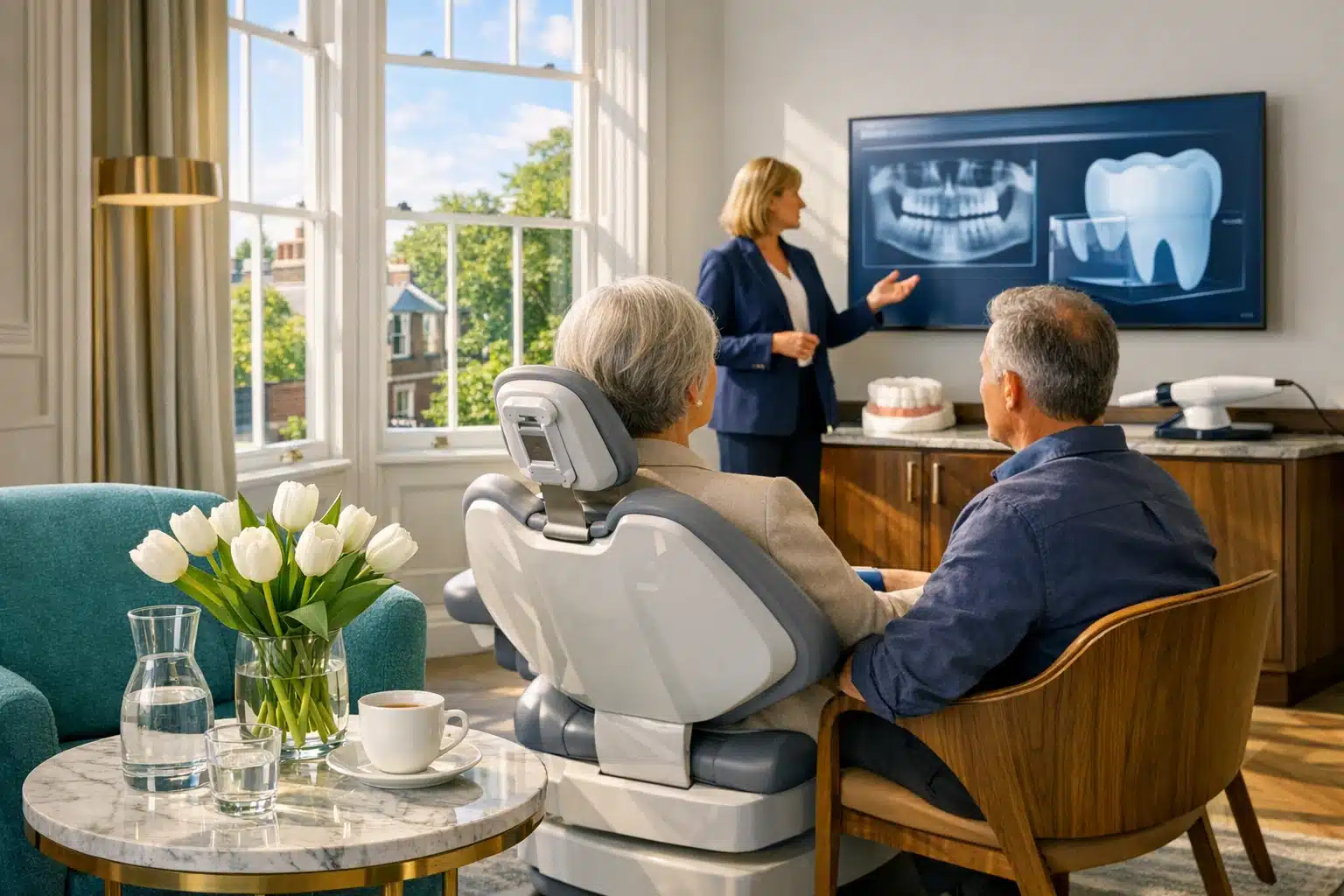
Investigations may include X-rays, clinical photographs, impressions or digital scans, and sometimes a cone beam CT scan to measure bone more accurately. If the bone is too thin or too shallow, extra procedures such as grafting may be discussed, although that adds complexity, time, and cost. Medical history matters too. Conditions such as uncontrolled diabetes can slow healing, while some osteoporosis medications may call for closer review. None of this automatically rules out implants, but it does make careful planning essential.
Success rates are generally encouraging when cases are properly selected and maintained. Published studies often report long-term survival rates above 90 percent over ten years for many implant systems, though outcomes vary by site, smoking, oral hygiene, and medical background. The important point for older adults is that age itself is not usually the strongest predictor of success. Maintenance is. Implants need professional review, meticulous cleaning, and early attention if inflammation develops. They can feel wonderfully secure, but they are not maintenance-free. Anyone considering them should think beyond the surgery and picture the years of care that follow.
NHS Implants, Private Treatment, Dentures, and Bridges Compared
For many people over 60, the real decision is not simply “implant or no implant.” It is a wider comparison between what is clinically possible, what the NHS is likely to fund, what private treatment may cost, and what level of maintenance feels realistic. Each option has strengths and drawbacks, and the best choice depends on your mouth, your budget, and your priorities.
Let us start with implants versus dentures. A well-made denture can restore appearance and a fair amount of function at relatively low cost, and it can often be provided through routine NHS care. However, dentures are removable, may loosen as the gum and bone change over time, and can be frustrating for some wearers, especially in the lower jaw. Implants can offer greater stability and a more natural feel, but they involve surgery, longer treatment times, and higher costs when not funded by the NHS. Some patients find a middle ground in implant-retained dentures, which use implants mainly to improve retention rather than replace every missing tooth individually.
Bridges are another alternative. They are fixed rather than removable and may suit people who want something more stable than a denture without undergoing implant surgery. The limitation is that a conventional bridge may require preparation of neighbouring teeth, and it may not be ideal if the surrounding teeth are weak or heavily restored. Implants, by contrast, usually stand independently and do not rely on adjacent teeth in the same way.
A practical comparison may help:
– NHS denture: lower cost, widely available, no implant surgery, but can feel less secure
– bridge: fixed replacement, often quicker than implants, but may involve altering nearby teeth
– private implant: strong stability and bone stimulation benefits, but expensive and more complex
– NHS implant in rare approved cases: potentially lower personal cost, but strict criteria and possible waiting times
Private fees vary by region and complexity, but in the UK a single implant with a crown often costs several thousand pounds, with additional charges for bone grafting, sinus lift procedures, or sedation if needed. Full-mouth rehabilitation can be dramatically more expensive. That does not mean private care is inappropriate; it simply means people should walk into consultations with open eyes. A glossy brochure may focus on the final smile, while the more important questions concern longevity, cleaning, complications, and whether simpler options could meet your needs just as well.
For older adults on a fixed income, it is reasonable to weigh comfort against affordability without guilt. Not every mouth needs the most advanced intervention. Equally, not every older person should be steered automatically toward dentures just because they are older. Good dental decision-making lives in that middle ground where function, health, and practicality meet.
Next Steps and a Conclusion for People Over 60
If you think implants might help you, the most sensible first step is not to search for a guaranteed route to NHS funding. It is to book a proper dental assessment and explain the problems you are having in concrete terms. Say whether you are struggling to chew, whether a denture is unstable, whether you are getting sore spots, or whether speech and confidence have changed. The clearer you are about function, the easier it is for a dentist to judge whether your case might justify a referral or whether another treatment would be more appropriate.
Before your appointment, it helps to prepare a short list:
– what teeth are missing or failing
– how long the problem has been affecting eating or comfort
– any dentures or bridges you have already tried
– your medications and medical conditions
– whether you smoke or have had radiotherapy
– what outcome matters most to you: stability, appearance, chewing, or cost
During the discussion, ask direct but balanced questions. For example: Is an implant clinically suitable in my case? Would the NHS ever fund this type of treatment locally? If not, what are the realistic alternatives? What are the risks at my age and with my health conditions? How much maintenance would be needed? A good clinician should be able to explain the reasoning, not just the recommendation. If implants are not advised, that does not automatically mean you are being denied something better; it may mean the dentist is choosing the safer or more predictable option.
It is also worth being cautious with high-pressure sales tactics in the private market. Free consultations can be helpful, but they should still lead to a careful assessment rather than a hard sell. Older patients are sometimes targeted with emotional language about “getting your life back,” yet no dental treatment is perfect and every intervention has limits. Ask for written treatment plans, itemised costs, likely timelines, and what happens if bone grafting or extractions become necessary. If you are unsure, a second opinion is a sensible step, not an insult.
Final Thoughts for Older Patients
If you are over 60, the key message is reassuring and realistic at the same time. Your age alone does not disqualify you from dental implants, but it does not unlock automatic NHS access either. The NHS may fund implants in selected, clinically justified cases, especially where function cannot be restored well with ordinary options, yet most people will still be offered dentures or bridges first. The best path is to focus on your actual needs, your oral health, and the long-term care you can manage. In other words, do not let myths make the decision for you. Ask questions, expect clear explanations, and choose the option that supports comfort, function, and confidence for the years ahead.