A Guide to Adults-Only Events: 18+ and 21+ Entertainment Ideas
Adults-only events sit at the intersection of freedom, atmosphere, and carefully designed experiences. Whether the age gate is 18+ or 21+, these gatherings usually offer a different social rhythm, with later hours, fewer child-focused distractions, and programming built for mature audiences. For anyone trying to separate memorable nights from overpriced disappointments, understanding how these events work can save money and improve comfort. This guide maps the landscape, compares common formats, and helps you choose entertainment that suits your energy, budget, and expectations.
Article outline:
- What 18+ and 21+ labels actually mean in practice
- Which types of adults-only events suit different interests and moods
- How to compare venues, pricing, and overall atmosphere
- What makes some experiences feel polished while others fall flat
- How to plan safely, act confidently, and pick the right event for your night
Understanding 18+ and 21+ Entertainment Beyond the Label
At first glance, an age restriction looks simple: you are either old enough to enter or you are not. In reality, 18+ and 21+ categories often tell you far more about the event than its minimum age. They hint at the legal framework, the expected atmosphere, the content style, and the type of crowd a venue wants to attract. Learning to read those signals is one of the easiest ways to improve your entertainment choices.
In the United States, 21+ is frequently tied to alcohol service because venues that operate as bars, clubs, or late-night lounges often choose the higher age limit to simplify compliance and crowd management. An 18+ event, by contrast, may allow younger adults to attend while separating drink service through wristbands, stamps, or ID checks at the bar. In many other countries, where the legal drinking age is 18, the distinction may work differently. That means travelers should never assume an age rule means the same thing everywhere. Checking venue FAQs is not boring admin work; it is the difference between smooth entry and an expensive misunderstanding at the door.
Age-restricted events are also shaped by audience expectations. An 18+ concert night may still be loud, energetic, and casual, while a 21+ jazz bar or tasting event may lean more relaxed and conversation-friendly. Some restrictions are less about alcohol and more about themes, timing, or the nature of the entertainment. Late-night comedy, immersive horror experiences, and edgy cabaret-style performances often use age gates to manage tone as much as legality.
It helps to think of the label as a quick summary of the evening’s operating style. Before booking, pay attention to details such as:
- Whether entry and re-entry rules are strict
- If the event is seated, standing, or mixed format
- Whether alcohol is central to the experience or just optional
- How the venue handles ID, security, and bag checks
- If the event mentions mature themes, explicit language, or late hours
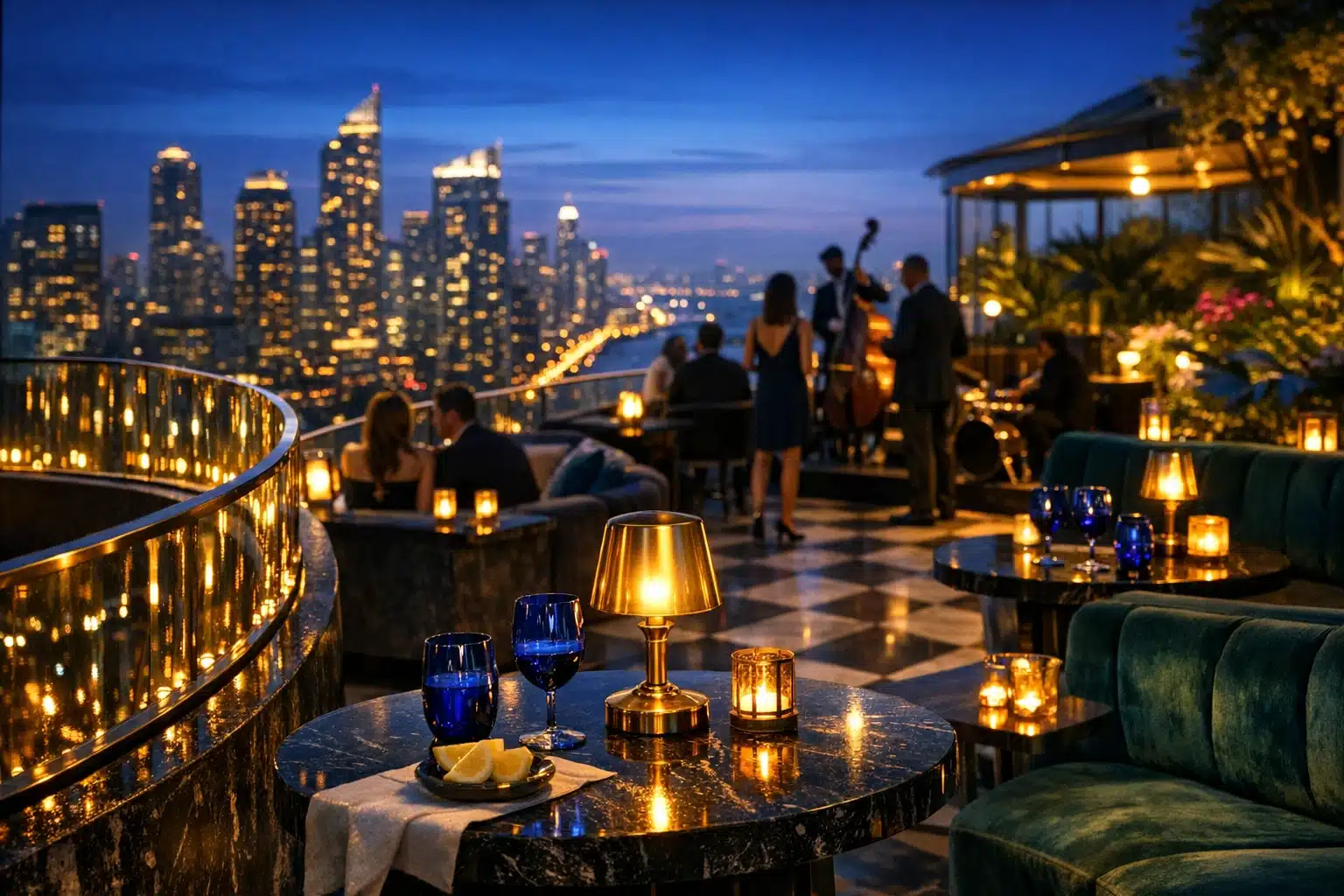
The strongest takeaway is this: 18+ and 21+ are not value judgments, and one is not automatically better than the other. A 21+ rooftop lounge may feel polished and calm, while an 18+ dance event may feel more electric and spontaneous. The better option depends on what kind of evening you want. Once you stop treating the age label as the whole story, adults-only entertainment becomes easier to navigate and much more rewarding to explore.
The Best Types of Adults-Only Events and How They Compare
Adults-only entertainment covers a far wider range than most people expect. If your mental image begins and ends with club lines and flashing lights, you are missing some of the most interesting options available. Today’s age-restricted event scene includes cultural, social, food-focused, creative, and niche experiences, each with a different pace and personality. The challenge is not finding something to do. It is choosing the format that best matches the night you actually want.
Live performance remains one of the most reliable categories. Comedy clubs, music venues, spoken-word nights, and small theater productions often use 18+ or 21+ restrictions to shape the room and reduce disruptions. Comedy works especially well in adults-only settings because performers can use mature themes or stronger language without constantly adjusting for mixed-age audiences. Music events vary more sharply. A 21+ lounge set may favor comfort, cocktails, and seated listening, while an 18+ electronic event may prioritize volume, movement, and crowd energy.
Cultural after-hours events deserve special attention because they blend entertainment with atmosphere. Museums, aquariums, botanical gardens, and galleries sometimes host adults-only evenings with timed entry, themed programming, drinks, DJs, or curator talks. These events often appeal to people who want something social without the intensity of a nightclub. They also offer a useful middle ground for first dates, group outings, and solo attendees who enjoy having both conversation space and visual stimulation.
Food and drink experiences are another strong category, especially for people who prefer interaction over spectacle. Tasting flights, chef’s-table evenings, mixology workshops, and dessert pairings create natural structure. There is something to do, something to learn, and plenty to talk about. Compared with concerts or dance events, these experiences are usually quieter and easier to enjoy in smaller groups.
Popular formats include:
- Comedy shows for easy laughs and compact time commitments
- After-dark museum or gallery nights for culture with a social twist
- Wine, craft beverage, or mocktail workshops for guided interaction
- Immersive theater for guests who enjoy storytelling and surprise
- Gaming lounges, trivia nights, and casino-style events for playful competition
Each format brings different trade-offs. Clubs and big music events offer high energy but less room for conversation. Tastings and themed dinners are more structured but can cost more per person. Interactive events often create memorable stories, though they may be uncomfortable for guests who prefer to observe rather than participate. If you want a night that feels cinematic, choose atmosphere-rich events. If you want ease and low pressure, choose formats with a clear schedule, assigned seating, or guided activities. The best adults-only event is rarely the trendiest one. It is the one that aligns with your mood before the night even starts.
How to Choose the Right Event for Your Mood, Budget, and Social Style
Choosing well is often more important than choosing widely. With so many adults-only options available, the smartest approach is to filter by mood, comfort, and practical reality before you ever look at the photos. A stylish listing can make almost anything sound irresistible, but a great event on paper can still be wrong for your group, your budget, or your idea of fun. The goal is not to attend more events. It is to attend better-matched ones.
Start with the simplest question: what kind of energy do you want at the end of the day? If the answer is lively and social, you may enjoy dance parties, live music nights, and large mixers. If you want an experience that feels more composed, tasting events, evening exhibits, and seated performances are usually better fits. This sounds obvious, yet many disappointing nights happen because people choose based on trend, not temperament. A person who loves conversation can feel stranded in a loud room. Someone seeking stimulation can feel trapped in an event that is too slow.
Budget matters in more ways than the ticket price. Adults-only events often involve added costs such as transportation, food, coat check, service fees, and premium upgrades. A cheap ticket in a remote location may end up costing more than a mid-priced event near home. Likewise, a premium ticket can be worth it if it includes line-skipping, reserved seating, or a drink package that genuinely improves the experience. Value is not about paying less. It is about paying with clearer expectations.
Use a short screening checklist before booking:
- Will you be standing for hours, or is seating available?
- Does the start time match your energy level, not your fantasy self?
- Is the dress code realistic for you and your group?
- How easy is the venue to reach and leave late at night?
- Are reviews praising the actual event or just the venue décor?
Social style is another overlooked factor. Some events are ideal for couples, others reward extroverted groups, and some are excellent for solo guests. Trivia nights and workshops often create built-in interaction, making them friendlier for people arriving alone. Huge nightlife events can be exciting in a group but isolating if you expected easy conversation. Accessibility deserves equal weight. Check seating, sound levels, crowd density, restrooms, and step-free entry if those details affect your experience.
The best event choices feel intentional rather than accidental. When you match atmosphere, cost, logistics, and social style, the entire evening becomes smoother. Instead of spending the night adjusting to the wrong setting, you get to enjoy the reason you went out in the first place.
What Makes an Adults-Only Event Feel Memorable Instead of Mediocre
Some events are enjoyable for a few hours and vanish from memory by the next morning. Others linger like a favorite scene from a film: the lighting was right, the pacing worked, the crowd added to the mood, and the night felt shaped rather than improvised. Understanding what creates that difference can help you identify stronger experiences before you book them.
A well-designed adults-only event usually gets four elements right: atmosphere, flow, audience fit, and clarity. Atmosphere is not just décor. It includes sound levels, lighting, spacing, and how welcome guests feel on arrival. A rooftop cinema with blankets, good sightlines, and efficient entry can feel luxurious even without a huge budget. Meanwhile, a flashy venue with poor acoustics and long drink lines may look impressive online but feel exhausting in person. The visual layer draws you in; the operational layer determines whether you stay impressed.
Flow matters just as much. Great events reduce friction. Guests know where to go, what happens next, and how long key transitions will take. This is why timed-entry exhibits, guided tastings, and professionally hosted comedy or cabaret nights often outperform loosely organized gatherings. They create a rhythm. You are not constantly asking what comes next or wandering around with a drink, hoping the evening improves. Good pacing gives the night a quiet confidence.
Audience fit is another major factor. A niche vinyl-listening night may be far more satisfying for the right crowd than a larger mainstream party. Likewise, an after-hours museum event can feel magical for curious adults who enjoy design, history, or conversation, yet underwhelming for someone expecting nonstop spectacle. There is no universal winner. The event succeeds when the concept and the attendees meet each other halfway.
Here are signs that an event is likely to be thoughtfully produced:
- Clear descriptions of schedule, entry, and event features
- Professional photos that show layout rather than only close-up glamour shots
- Reasonable capacity for the size of the venue
- Hosts, staff, or performers with visible experience
- Reviews that mention organization, comfort, and atmosphere, not only hype
Imagine two options for a Friday night. One is a generic large-scale party with vague details and a flood of promotion. The other is an after-dark botanical garden event with music, small tasting stations, and timed pathways under evening lights. Neither is automatically better, but the second often feels more curated because its concept is specific. That specificity gives guests something to remember. When an event knows what it wants to be, guests usually feel it. And when guests feel it, the evening gains texture, not just noise.
Conclusion: Planning a Better Night Out with Confidence and Good Judgment
The final step in discovering the best adults-only events is not finding the most expensive ticket or the most talked-about venue. It is learning how to plan with enough foresight that the night stays enjoyable from arrival to departure. Adults-only entertainment often works best when excitement is paired with a little discipline. That may not sound glamorous, but it is usually what separates a smooth evening from a frustrating one.
Begin with the practical essentials. Carry valid identification, confirm entry times, and review the venue’s rules on bags, photography, re-entry, and seating. If alcohol is part of the setting, plan transportation in advance rather than when the event ends and everyone else is also looking for a ride. If you are attending with friends, agree on simple basics such as arrival time, budget comfort, and whether the group plans to stay late or leave early. Tiny decisions made before the event prevent larger annoyances later.
Etiquette matters too, especially in adults-only spaces where people expect a more intentional atmosphere. Respect performers, avoid blocking views, and keep phone use in check during shows or immersive experiences. At tastings, classes, and conversation-based events, give the night room to breathe instead of treating every moment like content for social media. Good guests improve the event for everyone, including themselves.
A few habits make almost any evening better:
- Eat before events that begin late or involve drinks
- Dress for the actual venue, not just the promotional photos
- Keep a flexible mindset if lines, weather, or timing shift slightly
- Know your limits with spending, energy, and stimulation
- Choose company that matches the tone of the night you want
For the target audience exploring 18+ and 21+ entertainment, the biggest advantage is variety. You are no longer limited to the old script of dinner and a crowded bar. You can choose clever, cultural, playful, stylish, quiet, intense, or beautifully strange. One night might call for a comedy set and easy laughter. Another might suit a late gallery session, a tasting workshop, or a live performance that leaves you talking all the way home.
The best adults-only event is not defined by exclusivity alone. It is defined by fit. When the age policy, venue style, budget, crowd, and your own expectations align, the experience feels less like a gamble and more like a well-chosen chapter in your social life. That is the real guide worth following: go where the format fits the version of the night you actually want to have.