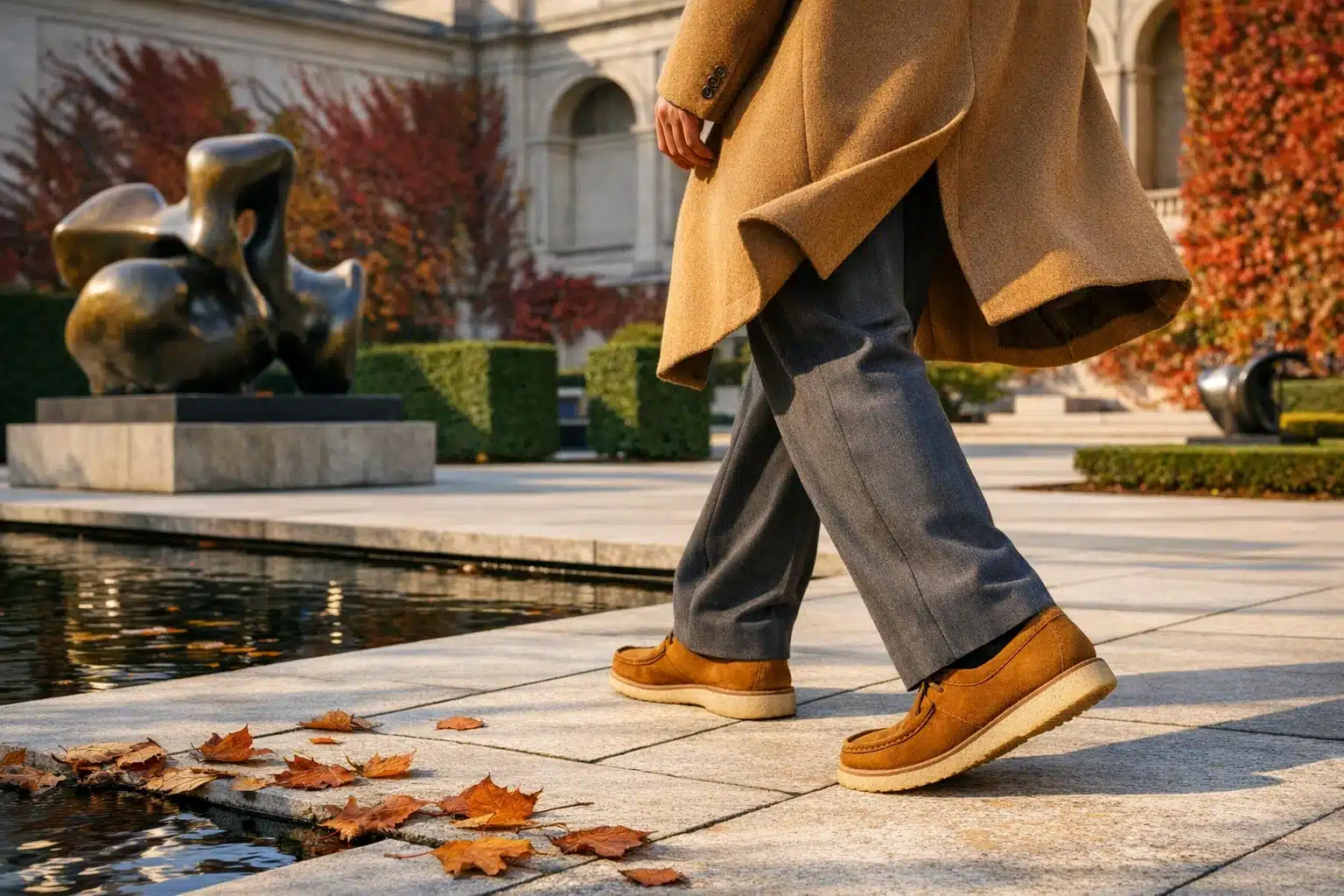
 Artificially generated image
 Clarks Wallabee Shoes: Style, Fit, and Buying Guide
Introduction and Article Outline
Few shoes have crossed as many style borders as the Clarks Wallabee, a moccasin-inspired silhouette that feels equally at home in streetwear, smart casual wardrobes, and laid-back weekend dressing. Its soft upper, squared-off toe, and crepe sole give it a profile that is easy to recognize but hard to reduce to a passing trend. For shoppers, collectors, and anyone trying to build a versatile rotation, understanding why this shoe still matters makes buying decisions far easier.
The Wallabee is relevant because it sits in a rare space between fashion item and everyday staple. Many shoes look good in photographs but lose their appeal after a month of real use. Others are practical yet forgettable. The Wallabee has stayed visible for decades because it does something more difficult: it offers a distinct identity without shouting. That balance has helped it appear in casual offices, music scenes, designer collaborations, and ordinary wardrobes where comfort still matters.
This article follows a simple roadmap so readers can move from curiosity to practical knowledge:
– how the Wallabee became a recognizable Clarks classic
– what defines its materials, shape, and sole
– how sizing, width, and comfort compare with other shoes
– how to style it through different seasons and settings
– what to check before buying, plus care advice for long-term wear
That outline matters because the Wallabee is not the kind of shoe best judged by one photo or a quick glance at a product page. It tends to appeal more strongly once you understand the details. The crepe sole changes the way it walks. The moccasin-style upper changes the way it drapes on the foot. The roomy front can feel generous compared with sleek sneakers or slim loafers. Even color choice can dramatically shift the mood, from understated sand suede to darker pairs that look more polished. In other words, this is not just a shoe you buy; it is a shoe you learn how to wear. The sections that follow take that idea seriously, giving enough depth for first-time buyers while still offering useful perspective for readers who already know the name but want a clearer sense of whether the Wallabee deserves space in their closet.
The Design and Heritage Behind the Clarks Wallabee
The Clarks Wallabee belongs to a family of shoes that feel familiar even when you cannot immediately explain why. Part of that comes from its moccasin-inspired construction, which gives it a hand-shaped, almost relaxed personality. Another part comes from Clarks itself, a British footwear company with a long history of making casual shoes that balance function and understated style. The Wallabee entered the brand’s lineup in the late 1960s, and its profile has remained remarkably consistent since then. In an era when many shoes are redesigned every few seasons, that continuity says a great deal.
What makes the design memorable is not a complicated list of features but a few clear choices executed well. The upper usually comes in suede or leather, with a simple lace system and visible apron seam. The toe box is broad and somewhat squared, which gives the shoe a relaxed stance rather than a sharp, formal one. Underneath sits the crepe sole, a material known for softness, flexibility, and a slightly springy underfoot feel. Put together, those elements create a silhouette that looks casual but still intentional.
Compared with other familiar shoe types, the Wallabee occupies an unusual middle ground:
– It is less sporty than a sneaker.
– It is softer and less rigid than many boots.
– It is more distinctive than a standard derby or casual lace-up.
– It feels dressier than a house shoe but more relaxed than a loafer.
That middle ground helps explain why the Wallabee has lasted across generations. It has also gained cultural relevance far beyond traditional shoe catalogs. Various musicians, style communities, and streetwear circles have embraced it over the years, not because it follows trends, but because it resists easy classification. It can look quietly intellectual with tailored trousers, effortlessly cool with denim, or almost artistic with loose silhouettes and textured layers. Few shoes can switch lanes that smoothly.
There is also something honest about the Wallabee. It does not rely on flashy logos, aggressive branding, or futuristic design language. It wins people over through proportion, material, and feel. That honesty is one reason many wearers keep returning to it. When fashion gets noisy, the Wallabee often looks calmer. When wardrobes become repetitive, it adds shape without drama. In that sense, its heritage is not just about age; it is about staying relevant without changing into something unrecognizable. That is a rare achievement in footwear, and it helps explain why the shoe still sparks interest among new buyers today.
Fit, Comfort, Materials, and How the Wallabee Wears
Fit is where many first-time buyers pause, and rightly so. The Clarks Wallabee does not hug the foot like a running shoe, nor does it clamp down with the structure of a dress shoe. Instead, it usually offers a more generous forefoot, a softer upper, and a natural-feeling shape that leaves some room up front. For many people, that room becomes part of the comfort story. For others, especially those used to narrow footwear, it may feel unusual at first. The key is to understand that the Wallabee is designed to feel relaxed rather than compressed.
In practical terms, buyers often pay attention to three fit variables:
– length, which should feel secure without crowding the toes
– width, which tends to be accommodating compared with many slim casual shoes
– upper material, because suede usually feels more forgiving than firm leather during early wear
The crepe sole also influences comfort more than people expect. It is softer than many standard rubber units, and that softness can make walking feel pleasantly muted, almost cushioned in a natural way. On city pavement, the effect is often easy to appreciate. At the same time, crepe can feel heavier than lightweight sneaker foam, and it may pick up dust or show wear differently over time. That does not make it inferior; it simply means the Wallabee delivers a different walking experience. Think grounded comfort rather than athletic bounce.
Compared with Clarks Desert Boots, Wallabees usually feel roomier and visually broader. Compared with loafers, they are often less restrictive across the top of the foot. Compared with many fashion sneakers, they can feel more mature and less performance-oriented. Those differences matter if you are trying to choose one versatile casual shoe rather than building a large collection. The Wallabee favors ease, shape, and tactile materials over speed, technical support, or sleek minimalism.
Comfort also depends on how and when you wear them. Thin socks can preserve the close, easy feel that many fans enjoy. Slightly thicker socks may help if you are between sizes or wearing them in cooler weather. Break-in is usually mild compared with hard leather shoes, though any pair may need a few outings before it settles. Because the upper is often soft and the silhouette is unstructured, the Wallabee can become a dependable all-day option for errands, commuting, casual gatherings, and travel days when you want something more refined than trainers. It is not a hiking shoe and does not pretend to be. Its appeal lies elsewhere: soft materials, forgiving shape, and a walking feel that encourages you to slow down just enough to notice the difference.
How to Style Clarks Wallabees in Real Life
Styling the Clarks Wallabee is easier once you stop treating it like a novelty item. Its shape is distinctive, but that does not mean it is difficult. In fact, the Wallabee often works best when the rest of the outfit gives it breathing room. Slim, hyper-technical clothing can make the shoe feel out of place, while overly formal tailoring can create an awkward mismatch. The sweet spot is usually casual or smart casual dressing with a bit of texture and drape.
One of the most reliable combinations is Wallabees with straight-leg denim or relaxed chinos. The shoe’s wider toe and softer structure pair naturally with trousers that fall cleanly rather than cling. Cropped hems or a slight break can both work, depending on whether you want to show more of the shoe. Suede versions in neutral shades, especially maple, sand, or darker brown, are often the easiest to integrate into everyday outfits. They carry visual warmth, and that warmth helps them connect with knitwear, overshirts, chore jackets, and simple tees.
Here are a few outfit directions that tend to work well:
– blue jeans, white T-shirt, and an unstructured jacket for an easy everyday look
– olive trousers, grey sweatshirt, and a field jacket for a practical weekend outfit
– dark wool trousers, fine knit, and a casual coat for a polished cold-weather approach
– loose shorts and a textured camp shirt for warm-weather dressing with personality
The Wallabee also handles seasonal changes surprisingly well. In spring, it feels light enough to wear with cotton trousers and lightweight outerwear. In autumn, suede pairs come into their own, echoing the texture of the season almost perfectly. Winter wear is possible, though weather matters. Crepe soles and suede uppers are not ideal for soaking rain or slushy streets without care. Summer can work too, especially with linen blends or wider shorts, though some people will prefer loafers or canvas shoes in very hot climates.
What makes the Wallabee especially interesting is its range of style personalities. With faded denim and a hoodie, it leans relaxed and modern. With pleated trousers and a knit polo, it becomes more composed. With cargo trousers or workwear-inspired pieces, it picks up a utilitarian edge. That flexibility is where the shoe quietly earns its reputation. It does not demand a full lifestyle shift. It simply asks for proportion and confidence. If you can appreciate a shoe that brings texture, shape, and character without acting like a billboard, the Wallabee gives you many ways to wear it. It is less about rules and more about rhythm, the kind of piece that keeps an outfit from feeling generic.
Buying Guide, Care Tips, and Final Thoughts for New Buyers
Buying Clarks Wallabee shoes becomes much simpler when you know what to prioritize. Start with purpose. Are you looking for a daily casual pair, a statement piece for style variety, or a dependable shoe that sits between sneaker and boot? Your answer affects material, color, and even how bold you can be. For most first-time buyers, a classic suede pair in a neutral shade is the safest entry point because it captures the spirit of the Wallabee while remaining easy to style. Leather versions can look a touch cleaner and may suit those who want a slightly sharper finish.
When comparing options, focus on the fundamentals:
– upper material and how much maintenance it will need
– color versatility in relation to your wardrobe
– size availability and return policy
– whether the pair is a core model or a collaboration
– price relative to how often you realistically plan to wear it
Core Wallabee releases usually make more sense for someone learning the silhouette. Limited editions and collaborations can be exciting, but they may come with louder colors, unusual materials, or higher prices. Unless you already know you love the model, starting with a standard version is often the wiser move. That approach gives you the real experience of the shoe without paying extra for novelty. It also helps when you are testing fit, since established releases are easier to compare across retailers.
Care is important, especially for suede pairs. A suede brush, gentle protector, and occasional spot cleaning will go a long way. Crepe soles deserve some attention too. They are part of the Wallabee’s charm, but they can gather dirt and gradually show use. Many owners simply accept that lived-in look as part of the shoe’s character. If you prefer a cleaner appearance, regular light maintenance helps. Store the pair in a dry place, let them rest between wears, and avoid treating them like weatherproof beaters if you want them to age gracefully.
For the target audience, the final question is simple: who should buy Clarks Wallabees? They make sense for readers who want more personality than basic sneakers, more comfort than many structured casual shoes, and more versatility than trend-driven statement footwear. They may not be the answer for someone seeking technical support, heavy-duty wet-weather performance, or a razor-sharp formal profile. But for shoppers who value texture, comfort, and a silhouette with real style history, the Wallabee remains a smart choice. It has endured because it offers something many wardrobes still need: a shoe with identity that is easy to live with. That is not hype. It is the quiet strength of good design.