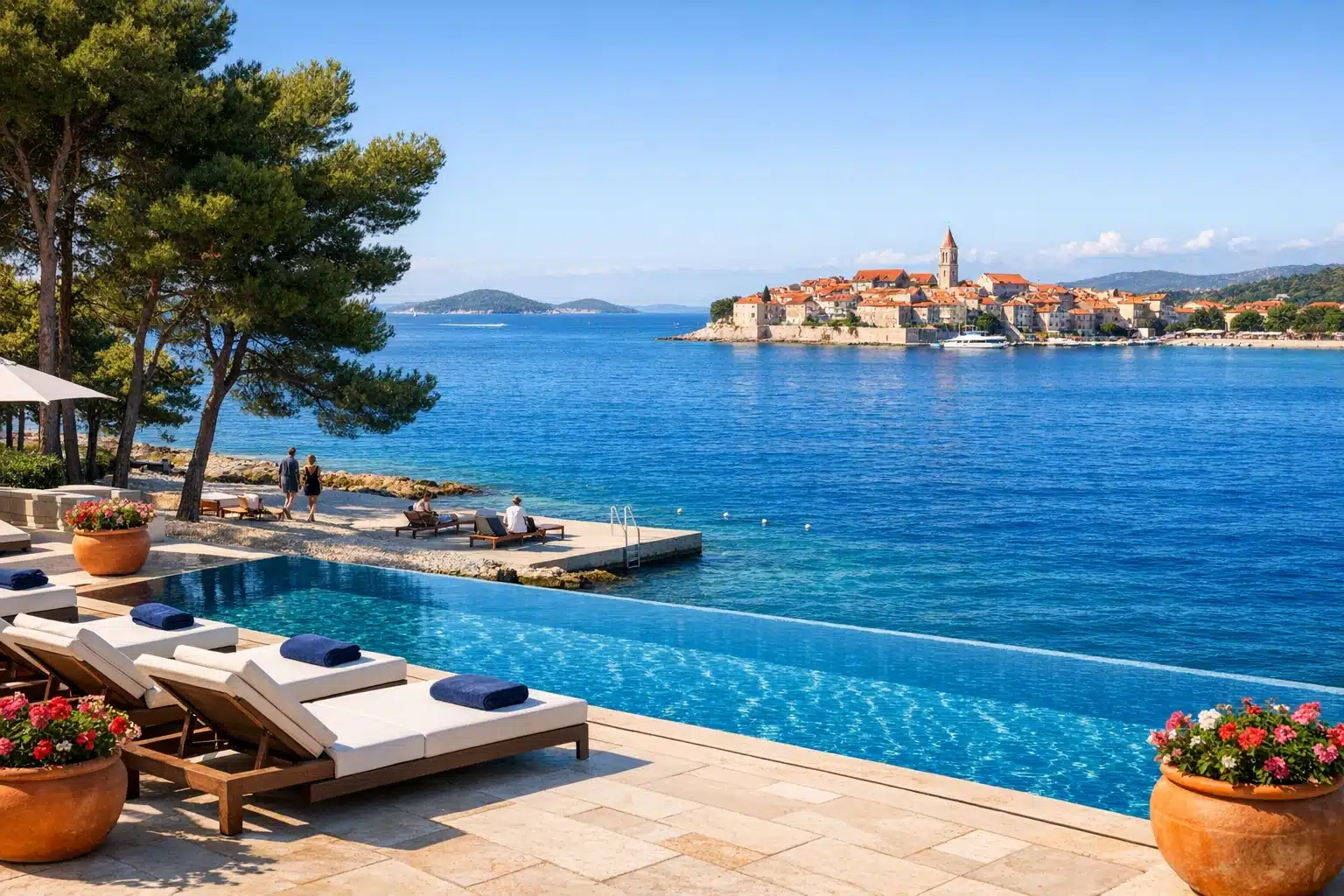
 Artificially generated image
 Croatia All-Inclusive Resorts 2026: A Practical Travel Guide
Planning a Croatian resort holiday for 2026 takes more than spotting a pretty beach on a booking site. The country offers glorious Adriatic scenery, yet the phrase all-inclusive can mean very different things from one property to the next. This guide unpacks regions, package styles, price patterns, and practical trade-offs so you can book with realistic expectations. If you want sunshine without small-print surprises, this is the smart place to begin.
Outline and 2026 Snapshot: Why Croatia Deserves a Closer Look
Croatia remains one of the most appealing warm-weather destinations in Europe because it combines a clean coastline, historic towns, island-hopping potential, and relatively short travel times from many European markets. For 2026, that mix still matters. Travelers are increasingly looking for holidays that feel simple once they arrive, and resort packages answer that need by bundling meals, entertainment, and family-friendly facilities into a single booking. At the same time, Croatia is not a classic all-inclusive giant in the way that parts of Turkey, Greece, or Spain are. That difference is important. In Croatia, many hotels still center their offer around breakfast, half board, or full board, while true all-inclusive plans tend to be concentrated in larger coastal resorts and family-oriented complexes.
This guide is built to help you navigate that landscape clearly. Here is the outline you can use as a planning map:
• how Croatia’s all-inclusive scene differs from more package-heavy Mediterranean markets
• which coastal regions are best for families, couples, and active travelers
• what the label all-inclusive usually covers, and what it often leaves out
• how to estimate costs for 2026 without relying on wishful thinking
• which traveler profiles benefit most from booking this kind of stay
The relevance of the topic is practical rather than trendy. In Croatia, the sea often looks like polished glass by morning, pine trees soften the shoreline, and old stone towns sit only a short drive from modern resorts. Yet the beauty of the setting can distract travelers from the useful questions: Is the beach sandy, pebbled, or rocky? Are drinks included all day or only with meals? Is the property near a lively promenade or on an isolated bay? Are airport transfers painless or painfully long? These details shape the holiday more than brochure language ever will.
Another reason this subject matters in 2026 is value. Croatia uses the euro, which simplifies budgeting for many visitors, but prices during peak summer can rise quickly in sought-after areas. Resort guests often pay more upfront to reduce daily spending decisions later. That can work very well for families with children, multigenerational groups, or travelers who simply want a quieter week with fewer logistics. It can work less well for people who plan to spend every day exploring local restaurants, ferries, or inland excursions. The goal is not to crown one style as universally better. The goal is to match the package to the person.
Where to Stay: Comparing Croatia’s Main Resort Regions
The first major decision is geographical, because Croatia’s coast is long, varied, and far from uniform. Choosing the right region is often more useful than choosing a hotel brand first. Istria, in the northwest, is usually the easiest entry point for travelers arriving by car from Central Europe and for visitors who like a polished, well-organized resort environment. Towns such as Porec, Rovinj, and Umag have long tourism traditions, and the region is known for family facilities, cycling routes, pine-shaded walking paths, and a slightly more relaxed, orderly atmosphere. Many beaches in Istria are rocky or pebbled, and concrete bathing platforms are common, so expectations should be adjusted if you picture long stretches of soft sand.
Kvarner, including islands such as Krk, Rab, and Losinj, offers a different rhythm. It can feel greener and a little calmer in parts, with a blend of classic seaside history and island scenery. Not every area here is heavily oriented toward all-inclusive packages, but it can suit travelers who want resort comfort without losing access to local character. Families often appreciate islands that are reachable by bridge or short ferry connections, because logistics stay manageable. Couples may prefer pockets of Kvarner where wellness, sea views, and quieter waterfront walks matter more than constant animation programs.
Dalmatia is where many first-time visitors imagine themselves going, and for good reason. North Dalmatia, around Zadar and Sibenik, tends to work especially well for family resorts. This part of the coast often offers modern complexes, entertainment options, and access to national parks or boat trips. Central Dalmatia, stretching around Split, Trogir, and the Makarska Riviera, has dramatic mountain-and-sea scenery that can make even a short balcony breakfast feel cinematic. It is excellent for travelers who want a resort base but still plan day trips to old towns, islands, or historical sites. South Dalmatia, including the Dubrovnik region, usually feels more premium and can become expensive in high season, though the scenery is undeniably striking.
A useful regional comparison looks like this:
• Istria: easiest for road trips, structured resort zones, strong family appeal
• Kvarner: island charm, wellness potential, a calmer atmosphere in many pockets
• North Dalmatia: very practical for family resorts and activity-heavy stays
• Central Dalmatia: scenic drama, good excursion access, lively tourism energy
• South Dalmatia: beautiful and memorable, often pricier, best for travelers comfortable with higher rates
One final point matters more than many brochures admit: island vacations in Croatia are wonderful, but they are not always the easiest fit for strict all-inclusive travelers. Ferry times, baggage handling, and transfer coordination can complicate arrival days. If smooth logistics rank above romance, a mainland resort near a major airport may be the wiser choice.
What All-Inclusive Usually Means in Croatia, and What It Often Does Not
The phrase all-inclusive sounds absolute, but in Croatia it often needs translation. A traveler expecting unlimited everything from sunrise to midnight may be disappointed if they do not check the package description carefully. Croatian resorts commonly operate with several board types, and the differences are significant. Breakfast only is self-explanatory. Half board usually means breakfast and dinner. Full board adds lunch. Then there is all-inclusive, which can range from a practical family package with buffet meals and selected drinks to a broader plan that includes snack bars, local alcoholic drinks, sports programs, children’s clubs, and entertainment. Some properties also use a softer version, where beverages are limited to certain hours or only available in designated outlets.
This is where comparison becomes essential. In more package-dense destinations, travelers often assume that branded spirits, multiple themed restaurants, imported drinks, 24-hour food options, and extensive poolside service come standard. In Croatia, that level exists in some upper-tier resorts, but it should never be presumed. More often, the package will focus on convenience rather than extravagance. That is not a flaw. It simply reflects the market. Croatian resorts frequently sell the idea of a comfortable coastal base with good meals, clean facilities, child-friendly programming, and easy beach access, while local towns and excursions remain part of the wider holiday experience.
When reviewing offers for 2026, pay close attention to these details:
• drinks: are they included all day, only with meals, or only from specific dispensers
• alcohol: are local beer and wine included, and are premium labels extra
• dining: does the rate cover only buffet service, or are a la carte venues included
• beach setup: are sun loungers and umbrellas free, discounted, or charged separately
• family features: does the kids’ club operate daily, seasonally, or with age restrictions
• activities: are paddle sports, courts, or fitness classes included or rented separately
• room extras: is the minibar excluded, and are safes or parking charged
Taxes and local fees also deserve a look. Tourist tax is often separate in parts of Europe, and parking charges can quietly add to the bill at large coastal properties. Spa treatments, upgraded coffee, private cabanas, and branded cocktails are common extra-cost items. Airport transfers may be available but are not automatically part of the package.
The key argument is simple: Croatia can offer excellent all-inclusive value, especially for families, but value appears when expectations line up with the actual inclusions. Think of the package as a convenience framework, not a magic phrase. Once you read it that way, comparing resorts becomes much easier, and expensive misunderstandings become far less likely.
Budgeting and Booking for 2026: Seasonality, Transport, and Smart Trade-Offs
Booking intelligently for 2026 means understanding that Croatia is highly seasonal. July and August are the hottest and busiest months, with school holidays pushing demand upward across family resorts. Sea temperatures are inviting, ferry networks are active, and coastal towns feel lively, but this is also when room rates peak and availability tightens fastest. Travelers who want the best balance of weather, price, and breathing room should look seriously at late May, June, or September. These shoulder periods often deliver warm enough conditions for swimming, easier restaurant access outside the resort, and a more relaxed pool deck atmosphere. For many travelers, that trade-off beats chasing the absolute center of summer.
Budget ranges vary widely by location, hotel standard, and room type, but practical planning benefits from broad benchmarks. In shoulder season, a mid-range resort with an inclusive meal plan may fall somewhere around the lower to middle hundreds of euros per night for a double room, while peak summer can push the same property markedly higher. Larger family rooms, sea-view categories, and premium brands can move far beyond those levels. Rather than fixating on a universal price, compare cost per person, meal coverage, transfer needs, and on-site spending risk. A slightly pricier resort that includes drinks, child activities, and beach access can end up better value than a cheaper rate loaded with add-ons.
Transport matters almost as much as the room itself. Croatia’s major coastal gateways include Pula, Rijeka, Zadar, Split, and Dubrovnik, and the right airport depends on where your hotel actually sits. A map can be deceptive. A resort advertised near a famous city may still require a transfer long enough to test everyone’s patience after an early flight. Families with young children usually benefit from choosing the shortest route over the most glamorous destination name. Drivers should also check parking terms, toll expectations, and whether the final approach involves island ferries or narrow local roads.
Before confirming any booking, work through a practical checklist:
• compare cancellation terms, not just headline rates
• verify whether children’s clubs operate for your travel dates
• check if pools are indoor, outdoor, heated, or seasonal
• read beach descriptions closely, because Croatia often means pebble or rock rather than sand
• budget for water shoes if comfort on stony beaches matters
• confirm whether airport transfers, parking, or tourist tax are extra
• look for renovation notices or partial facility openings early in the season
The smartest bookings usually come from realistic priorities. If your family wants compact convenience, choose a resort with strong on-site facilities and a simple transfer. If you care more about dining in local konobas and wandering old streets at dusk, a half-board hotel may outperform an all-inclusive plan. In Croatia, the best choice is rarely the one with the loudest label. It is the one that supports the holiday you actually want to live.
Who Should Book Croatia All-Inclusive Resorts in 2026? A Conclusion for Different Travelers
Croatia’s all-inclusive resort model suits some travelers extremely well, and the fit becomes clearer once you look at needs rather than marketing slogans. Families with younger children are often the strongest match. They benefit from predictable meal times, pools, snack access, kid-friendly entertainment, and the comforting mathematics of prepaid daily costs. Multigenerational groups also do well in this format, especially when grandparents, parents, and children all want different rhythms during the same week. One person can head to the sea platform at sunrise, another can stay near the children’s area, and nobody has to negotiate every lunch from scratch.
Couples can also enjoy Croatian all-inclusive resorts, but the right property matters. If your idea of romance includes calm sea views, spa time, and not having to research restaurants each day, a well-run resort can feel wonderfully easy. If, however, you picture evenings moving from wine bars to old-town lanes and long lunches in independent seafood restaurants, a resort with breakfast or half board may be the better match. Croatia is rich in local food culture, and an overly rigid package can sometimes keep travelers on-site when the surrounding region deserves attention.
Active travelers sit in the middle. A resort can work beautifully as a base for kayaking, cycling, tennis, boat trips, or short cultural excursions, especially in Istria and parts of Dalmatia. Yet people who plan to spend every day exploring national parks, island ferries, and city centers may end up paying for meals or facilities they barely use. That does not make all-inclusive a bad idea. It simply means the package should support the itinerary, not compete with it.
For 2026, the most sensible audience breakdown looks like this:
• best fit: families, multigenerational groups, travelers seeking budget control, guests who want low-friction relaxation
• good fit with careful selection: couples, wellness travelers, active holidaymakers who still value a stable base
• weaker fit: food-focused explorers, city-break lovers, independent island hoppers, travelers who dislike spending most of the day inside one complex
The practical conclusion is straightforward. Croatia is an excellent resort destination, but it rewards thoughtful comparison more than blind trust in the phrase all-inclusive. Choose the region first, decode the package second, and only then compare prices. When those three pieces line up, Croatia offers the kind of holiday many people actually want in 2026: blue water, warm stone underfoot, manageable logistics, and enough ease to let the coast do its quiet work on you.