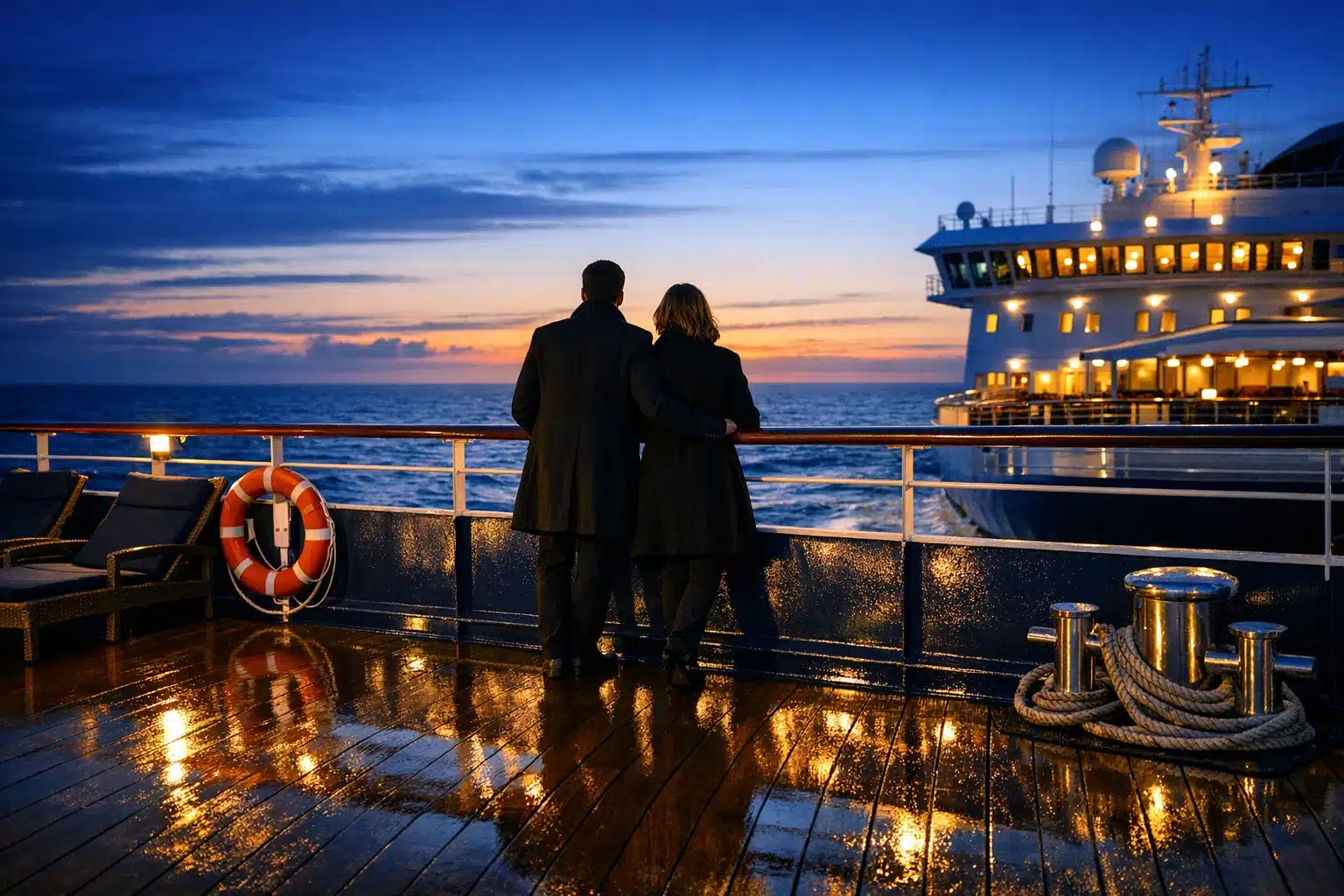
 Artificially generated image
 Night Mini Cruise from Hull to Amsterdam
Choosing a night mini cruise from Hull to Amsterdam is less about shaving minutes off a journey and more about turning travel itself into part of the experience. Most packages actually cross overnight from Hull to Rotterdam or Europoort before sending passengers onward to Amsterdam, and that small detail shapes expectations, timing, and value. For couples, friends, and curious first-time ferry travelers, the route offers cabins, sea air, and a gentler rhythm than the usual airport sprint.
Outline
• What the route includes and why Amsterdam is usually reached via Rotterdam
• What an overnight sailing is like, from cabin choices to food and entertainment
• How to plan a realistic day in Amsterdam without feeling rushed
• How fares compare with flights, rail, and a hotel-based city break
• Which travelers benefit most, plus practical advice before booking
1. Understanding the Route: What a Hull to Amsterdam Mini Cruise Really Means
The first thing worth clearing up is the wording. A “Hull to Amsterdam” mini cruise is usually not a direct sea crossing into Amsterdam itself. In most cases, the ship sails overnight from Hull to Rotterdam Europoort, and passengers continue to Amsterdam by coach transfer or another arranged connection. That does not make the trip misleading if explained properly, but it does matter because the transfer time affects how long you actually spend in the city and how relaxed the day feels.
Typically, travelers check in at Hull in the late afternoon or early evening, board the ship, settle into a cabin, and sail overnight. The crossing often takes around 11 to 12 hours, depending on timetable and conditions. After arriving in the Netherlands in the morning, the onward journey to Amsterdam commonly takes about 75 to 90 minutes by road. That means the mini cruise works best when seen as a short sea break with a city visit attached, rather than a pure transport link.
This difference is important because expectations shape satisfaction. Someone comparing the trip with a one-hour flight may focus on speed and see the ferry as slower. Someone comparing it with a weekend experience may see two nights on board, a private cabin, and a full day in Amsterdam as part of the value. That is why the route tends to attract travelers who enjoy the process of getting there as much as the destination itself.
There are a few practical advantages to this style of travel:
• You avoid airport security routines and strict cabin baggage rules.
• You can keep essentials in your cabin instead of balancing everything at a terminal gate.
• The night crossing turns travel time into dinner time, sleeping time, and quiet deck time.
• Hull can be convenient for travelers from Yorkshire, the Humber region, and parts of northern England.
There are also limitations. You are tied to the sailing schedule, your day in Amsterdam can be fairly structured, and weather at sea may affect comfort for sensitive travelers. Even so, the appeal is easy to understand. You leave an English port in the evening and wake up on the doorstep of the Netherlands, which gives the journey a storybook quality that flying rarely offers.
2. Life on Board: Cabins, Food, Entertainment, and the Feel of an Overnight Crossing
The overnight part of the trip is where a mini cruise earns its name. Instead of treating the crossing as dead time, the ship turns it into an experience with its own rhythm. After boarding, most passengers head first to their cabin, which is usually compact, functional, and private. Even an inside cabin has real value on this route because it gives you a place to unpack a little, freshen up, and sleep flat rather than dozing upright in an airport lounge or coach seat. Outside cabins add a window or sea view, which some travelers love for the sense of movement and morning light, though the price is usually higher.
Onboard facilities vary by ship and sailing, but the standard mini-cruise experience often includes restaurants, bars, lounges, and some evening entertainment. One of the pleasures of this route is the change of pace. You can have dinner, take a walk on deck, watch the dark water fold past the hull, and feel the journey unfolding hour by hour. The low thrum of the engines becomes part of the atmosphere. For some people, it is deeply relaxing; for others, especially first-time ferry passengers, it feels just unfamiliar enough to be memorable.
Dining is another area where the ferry differs from flying. Instead of grabbing a sandwich between security and boarding, you can usually choose between a buffet, a casual meal, or a drink with light bites depending on what is available on the sailing. Budget-conscious travelers may prefer to pre-book meal packages if they are offered, since onboard prices can be higher than many expect. Families often appreciate the simplicity of eating in one place without having to rush children through multiple queues.
Comfort on board depends partly on expectations. Compared with a flight, the ferry is slower but far less compressed. Compared with a hotel night, it is more compact and gently mobile. Some useful comparisons are straightforward:
• Best for privacy: a cabin beats coach or air travel by a wide margin.
• Best for speed: flying wins easily.
• Best for atmosphere: the ferry usually offers the more distinctive experience.
• Best for sleep quality: this varies, but many travelers sleep well once the ship settles into open water.
If you are prone to motion sickness, it is wise to prepare. Modern ferries are stable, yet the North Sea can still be lively. Bringing suitable medication, choosing a lower-deck cabin where possible, and getting fresh air early can all help. For everyone else, the overnight crossing often becomes the surprising highlight, because it replaces transit stress with a small sense of occasion.
3. Your Day in Amsterdam: How Much You Can See and How to Use the Time Well
A mini cruise to Amsterdam usually gives you a concentrated slice of the city rather than a long, unstructured stay. That can be a disadvantage if your dream is to spend days in major museums, neighborhoods, and cafés. Yet for many travelers, a single day works surprisingly well because Amsterdam’s central areas are compact, walkable, and visually rewarding almost from the moment you arrive. The key is not to over-plan. This is not the day to cram in every famous landmark. It is the day to choose a style of visit and enjoy it fully.
Most passengers arriving from the overnight sailing reach Amsterdam in the morning and leave again later the same day to return to the port for the evening departure. Exact hours depend on the package, but it is common to have a solid block of daytime sightseeing rather than a rushed two-hour stop. The smart approach is to divide the city into priorities. For first-time visitors, the canal belt, Dam Square, the Jordaan area, and a canal cruise often offer more immediate pleasure than trying to queue for multiple big attractions. If museums matter most, pre-booking timed entry is essential, especially in busy months.
Amsterdam rewards different kinds of travelers in different ways:
• First-time visitors often enjoy a canal cruise, central walking route, and a relaxed lunch.
• Art lovers may focus on one major museum rather than racing between several.
• Food-focused visitors can build the day around cafés, Dutch snacks, and local markets.
• Returning travelers may prefer neighborhoods such as De Pijp or the Nine Streets for a less hurried feel.
Because time is limited, transport choices matter. Trams are efficient, but walking can be faster across the historic center once you are there. It is also easier to absorb the city on foot. Narrow houses lean slightly over the canals, cyclists glide past with practiced confidence, and bridges frame one postcard view after another. The place has a polished, lived-in beauty that feels both orderly and intimate.
There is one important caution: do not confuse available time with usable time. If your transfer arrives later than expected, if museum entry lines are long, or if weather turns wet and windy, a rigid itinerary can collapse quickly. A better plan is to pick one anchor activity and two optional extras. In practice, the travelers who enjoy Amsterdam most on a mini cruise are rarely the ones who try to conquer it. They are the ones who let the city reveal itself in pieces: a canal reflection, a warm café window, a bicycle bell, and a square opening suddenly into light.
4. Cost, Convenience, and Comparison: Is the Mini Cruise Better Than Flying?
The answer depends on what you mean by “better.” If speed is the only measure, flying almost always wins. A flight from the UK to Amsterdam is much shorter in pure travel time, and competitive fares can look attractive at first glance. However, many travelers discover that a mini cruise becomes more competitive once all the surrounding costs are included. Airport transfers, baggage fees, food in terminals, and sometimes a hotel night for early departures can change the calculation quickly. The ferry bundles transport and accommodation into the same experience, which is part of its appeal.
Mini-cruise fares vary by season, cabin type, and whether extras are included. Off-peak deals can be good value, especially when two people share a cabin, while school holidays and weekend dates may cost more. It is common to see packages built around the basics, with optional add-ons for meals, city transfers, and upgraded cabins. That means the headline price does not always tell the full story. Before booking, it helps to compare the complete cost rather than the starting fare.
A sensible cost checklist includes:
• Cabin type and whether it is inside or outside
• Coach transfer to Amsterdam, if not already included
• Dinner and breakfast options
• Parking at Hull, if you are driving to the terminal
• Drinks, snacks, and any attraction tickets in Amsterdam
• Travel insurance and document-related costs
Convenience is where the ferry often makes its strongest case. There is no need to be squeezed into a narrow seat for the whole evening, and there is no scramble to find a reasonably priced room after arrival. You board once, unpack once, and let the ship carry you overnight. For travelers from northern England, that convenience can be more important than speed. Reaching a London airport or arranging rail connections to catch an early flight may erase some of the time advantage that air travel seems to offer on paper.
Still, the mini cruise is not ideal for every trip style. If you want maximum freedom, late-night time in Amsterdam, or a multi-day city break, booking separate transport and hotel can give you more independence. The mini cruise works best when you want a compact escape with a clear structure. In value terms, it sits between pure transport and pure leisure. You are paying not only to arrive in the Netherlands, but also to enjoy the movement between places. For many people, that changes the whole mood of the trip.
5. Conclusion: Who This Trip Suits Best and How to Make It a Success
A night mini cruise from Hull to Amsterdam is best suited to travelers who enjoy atmosphere, structure, and a little novelty. It is especially appealing for couples wanting a short romantic break, friends planning a quick getaway, and first-time ferry passengers who like the idea of waking up in another country without dealing with airport stress. It can also work well for older travelers or anyone who prefers a private cabin and a slower pace to the tight choreography of flying. For these groups, the trip offers something that ordinary transport rarely delivers: anticipation that begins the moment you board.
The best way to approach the experience is with accurate expectations. Think of it as two short sea nights wrapped around a day in Amsterdam, not as the fastest route to the city. Once you see it that way, the strengths become obvious. You get a self-contained trip, a memorable crossing, and a manageable introduction to one of Europe’s most attractive urban destinations. The route is particularly rewarding if you enjoy scenic travel, appreciate simple comforts, and do not mind following a timetable.
To make the most of it, a little preparation goes a long way:
• Check exactly how the onward transfer to Amsterdam works before you book.
• Reserve key attractions in advance if museum visits are important.
• Pack light but include essentials for the crossing, such as comfortable shoes and any motion-sickness remedies.
• Bring the correct travel documents and confirm boarding times carefully.
• Choose your cabin with your priorities in mind: lower cost, more quiet, or a window view.
In the end, this trip is not trying to compete with aviation on speed. Its selling point is that it replaces a functional journey with a small travel narrative. You leave Hull at dusk, settle into the ship, cross the North Sea while most of the world is asleep, and arrive with the feeling that you have genuinely gone somewhere. For readers who want a short break that feels distinct, easy to understand, and rich in atmosphere, the Hull to Amsterdam mini cruise remains a charming option worth serious consideration.