 Artificially generated image
 Steel Shelters: Uses, Benefits, and Key Buying Considerations
Steel shelters have moved far beyond the image of a plain shed sitting alone at the edge of a lot. Today they protect farm machinery, delivery vans, livestock feed, workshop tools, and emergency supplies in places where weather and time are rarely gentle. Because land conditions, code rules, and operating goals differ so much, a smart purchase is really a design decision in disguise. This guide breaks down the uses, strengths, trade-offs, and buying checkpoints that matter before you commit money, space, and labor.
Article Outline
- What steel shelters are and where they are most commonly used
- The main benefits of steel and how it compares with wood, fabric, and concrete options
- Design, engineering, and site-planning factors that shape performance
- Buying considerations, including cost, permits, installation, and supplier evaluation
- Maintenance, lifespan, and final guidance for choosing the right shelter
Understanding Steel Shelters and Their Most Common Uses
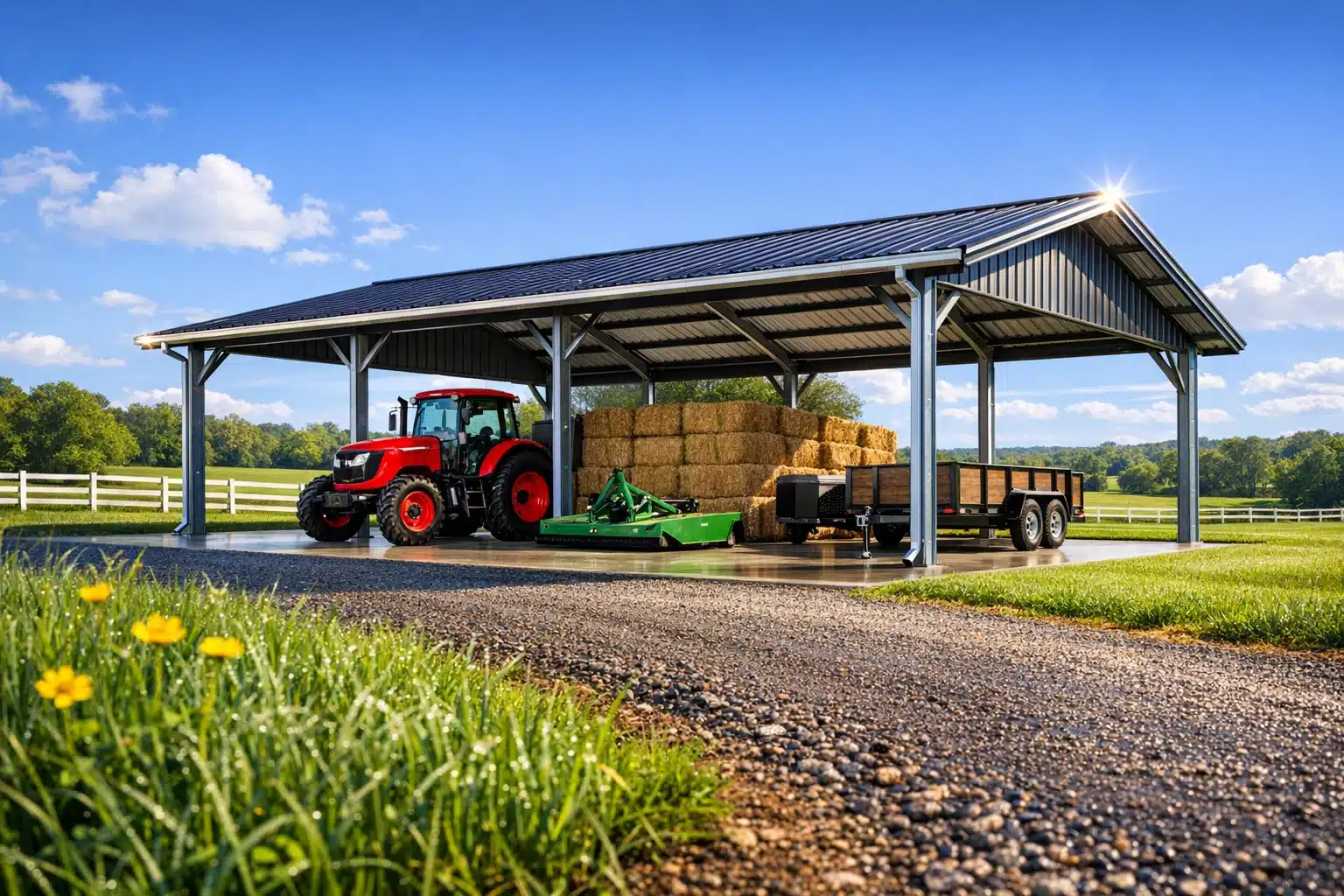
A steel shelter is, at its core, a structure designed to provide covered space using steel as the primary framing material, cladding material, or both. That sounds simple, but the category is much broader than many buyers expect. A steel shelter might be an open-sided canopy protecting tractors from sun and hail, a partially enclosed agricultural building storing hay and feed, a fully enclosed workshop with roll-up doors, or a commercial cover for delivery vehicles, loading zones, or maintenance bays. In other words, steel shelters are not one product. They are a family of solutions built around strength, span, and practical protection.
One reason they appear in so many settings is that the same basic material can serve very different needs. On farms, steel shelters are often used to house machinery, shelter livestock equipment, store seed and fertilizer, or create shaded work areas. In residential settings, they may function as carports, RV covers, detached garages, boat shelters, or hobby workshops. Businesses use them for fleet storage, outdoor inventory protection, fabrication spaces, recycling yards, and weather shields for equipment that does not need a fully conditioned building. Municipal users may install them for salt storage, utility vehicle parking, or emergency operations support. A steel shelter can look humble from a distance, yet be absolutely central to how a site functions day after day.
Common formats include:
- Open-sided shelters for vehicles, machinery, or covered loading
- Three-sided shelters for directional weather protection
- Fully enclosed buildings for secure storage or workshop use
- Clear-span structures for large unobstructed interior space
- Modular or prefabricated systems for faster delivery and installation
What ties these together is the need for reliable cover. Rain ruins cardboard inventory, ultraviolet exposure shortens the life of plastics and rubber, repeated moisture encourages corrosion on equipment, and constant sun can make work areas punishingly hot. Even when the shelter is not climate controlled, simply adding a durable roof and engineered frame can improve operating efficiency and reduce asset wear. Think of a steel shelter not as a static box, but as a working tool with a roof and a purpose.
Another important point is scalability. A buyer might start with a modest 20-foot-wide carport and later need a much larger clear-span structure for commercial storage. Steel systems can often be configured across a wide range of widths, eave heights, roof styles, and door arrangements. That flexibility explains why steel shelters are relevant to so many audiences: homeowners seeking secure outdoor storage, farmers protecting expensive equipment, and businesses trying to get more use from every square foot of property.
Why Steel Shelters Are Popular: Benefits and Material Comparisons
Steel shelters attract attention because they solve a practical problem with a material known for structural strength and consistency. One of the biggest advantages is clear-span capability. Compared with many wood-framed alternatives, engineered steel systems can cover wide areas with fewer interior supports, which matters when you need to park large equipment, move pallets with forklifts, or create a workshop where columns would only get in the way. Steel also offers dimensional consistency. It does not warp, twist, or shrink in the same way wood can under changing moisture conditions, which can make long-term alignment and panel fit more predictable.
Durability is another major reason buyers choose steel. Properly coated steel can perform well for decades when matched to the site and maintained sensibly. It does not attract termites, it does not feed mold, and it generally handles demanding duty cycles better than lighter temporary structures. Structural steel is also widely recycled, which can be relevant to projects with sustainability goals. For many owners, the appeal is not glamorous at all. It is simple: less fuss, less vulnerability to pests, and a structure that feels built for work rather than a short season.
Still, steel is not automatically the best choice in every comparison. Looking at alternatives helps clarify where it shines.
-
Steel vs. wood: Wood can be attractive, easy to modify with basic tools, and well suited to smaller custom projects. However, it is more vulnerable to rot, insects, and moisture-related movement. In harsh climates or high-use settings, steel often wins on durability and span capability.
-
Steel vs. fabric shelters: Fabric-covered shelters are often quick to erect and may have lower upfront costs for certain temporary or semi-permanent uses. The trade-off is that membrane replacement cycles, puncture risk, and lower perceived permanence can affect long-term value and financing options.
-
Steel vs. concrete: Concrete structures can be extremely durable and fire resistant, but they are usually heavier, more expensive, and slower to build. For buyers who need covered space quickly and cost-effectively, steel often offers a more flexible middle ground.
Balanced evaluation also means acknowledging steel’s limitations. Steel conducts heat readily, so an uninsulated shelter can become hot in summer and prone to condensation when warm, moist air meets cooler panels. In coastal or corrosive environments, coatings and detailing become especially important. Rain noise on metal roofs can also be more noticeable than some buyers expect. These are not deal-breakers, but they are design issues that should be addressed early with insulation, ventilation, liners, coatings, and proper drainage.
In practical terms, steel shelters are popular because they combine toughness, design flexibility, and relatively predictable long-term performance. They often make the most sense when the shelter must work hard, last well, and stay adaptable as needs change.
Design, Engineering, and Site Planning: What Actually Determines Performance
A steel shelter can look straightforward once it is standing, but performance begins long before the first column is anchored. Good results come from engineering, site planning, and careful decisions about how the structure will be used every day. The most important starting point is local code. Wind speed requirements, ground snow loads, seismic considerations, exposure category, and frost depth all affect the design. A shelter that works perfectly in one region may be underbuilt or overbuilt in another. That is why reputable suppliers ask for the installation address and often provide engineered drawings tailored to the project location.
Frame style is one of the first big design decisions. Clear-span rigid-frame buildings are popular when uninterrupted interior space matters. Truss systems can be efficient for some agricultural or storage uses. Open-sided shelters need special attention because fewer wall panels mean different load paths and sometimes heavier framing to resist uplift and lateral forces. Roof style matters too. Gable roofs are common and versatile, while single-slope roofs can help with drainage direction or solar panel planning. Roof pitch affects snow shedding, interior volume, and even the visual presence of the building on the site.
Buyers should also think beyond the frame to the enclosure system. Panel profile, gauge, coating type, and fastener quality all influence longevity. Galvanized or similarly protected steel is commonly used to improve corrosion resistance, but coating choice should reflect the environment. A dry inland storage yard and a salt-laden coastal site do not ask the same questions of a building envelope. Foundation design is equally critical. Even a well-made steel kit can perform poorly on an undersized or poorly drained slab. Site grading, runoff control, anchor bolt placement, and soil conditions deserve real attention.
Other key design factors include:
- Door size and placement for equipment turning radius and clearance
- Eave height that matches current assets and future equipment upgrades
- Ventilation for moisture control, comfort, and air quality
- Insulation or condensation control systems if the building will be enclosed
- Lighting, electrical service, and water access for actual daily use
- Expansion options if the operation is likely to grow
It is also worth thinking about workflow. A shelter should fit the motion of the site, not fight it. A farmer may need drive-through access during harvest. A contractor may want a side bay for materials and a secure end wall for tools. A homeowner may care more about roof overhang, neighborhood appearance, and the ease of backing in a trailer. The best steel shelters are rarely the most complicated ones. They are the ones whose dimensions, openings, drainage, and details quietly line up with the routines of real life.
Cost, Installation, Permits, and the Questions Smart Buyers Ask Before Ordering
The advertised price of a steel shelter is only the beginning, and this is where many first-time buyers make avoidable mistakes. A kit price may include framing and panels, but leave out delivery, foundation work, equipment rental, insulation, doors, gutters, permit drawings, or installation labor. Comparing quotes without checking scope is like comparing apples to ladders. To make a sound decision, buyers need to look at total installed cost rather than the headline number alone.
Foundation and site preparation are frequently the biggest hidden variables. A level, well-drained site with good soil conditions can keep costs under control. A sloped property, poor access for concrete trucks, expansive soils, or drainage corrections can change the budget quickly. Installation method matters as well. Some shelters are marketed to confident do-it-yourself buyers, while larger or more highly engineered structures usually benefit from professional erection crews. Lifts, telehandlers, cranes, safety planning, and local labor availability all influence the real-world timeline and price.
Permits are another essential piece. In many jurisdictions, even a relatively simple steel shelter requires zoning review, structural drawings, and inspections. Setback rules, lot coverage limits, easements, fire separation distances, and stormwater requirements can all affect placement or allowable size. For agricultural properties, exemptions may exist in some areas, but they should never be assumed. A quick call to the local building department before ordering can save weeks of delay and expensive redesign.
When reviewing suppliers, smart buyers usually focus on more than brochures and glossy photos. Useful questions include:
- Is the structure engineered for my exact site and code loads?
- What is included in the quote, and what is excluded?
- What panel coatings, gauges, and fastener systems are being offered?
- Are foundation plans included or provided separately?
- What are the lead times for manufacturing and delivery?
- Who handles damage claims if components arrive dented or incomplete?
- What warranty exists for framing, panels, and paint finish?
- Can the building be expanded later without major redesign?
It also helps to think about cost over time, not just purchase day. A slightly higher-priced shelter with better corrosion protection, heavier framing, or better door hardware may reduce maintenance headaches and downtime later. If the structure will protect expensive assets such as tractors, trailers, inventory, or service vehicles, reliability has a financial value of its own. The cheapest quote can become the costliest option if it results in leaks, poor fit, or inadequate code compliance.
In short, buying a steel shelter is part engineering decision, part construction project, and part risk management exercise. The more clearly a buyer defines use, site conditions, and budget boundaries upfront, the more likely the final structure will feel like a smart investment instead of a compromised compromise.
Choosing the Right Steel Shelter: Maintenance, Lifespan, and Final Takeaways for Buyers
A well-selected steel shelter should not demand constant attention, but it should never be treated as maintenance-free. Like a reliable pickup truck, it rewards regular checks more than dramatic repairs. Most owners can preserve performance with a simple inspection routine: look at roof and wall panels for damage, confirm fasteners remain tight, clear gutters and downspouts, watch for standing water near the slab or piers, and inspect doors, seals, and hardware before minor wear turns into stubborn failure. If the shelter is enclosed, condensation control is especially important. Moisture trapped inside a building can quietly shorten the life of panels, stored goods, insulation systems, and equipment.
Coating protection deserves attention as well. In normal inland environments, painted or galvanized steel often performs very well when the site drains properly and debris is not allowed to collect. In more aggressive settings such as coastal areas, livestock operations, or industrial yards with chemical exposure, buyers should ask for material and coating recommendations suited to those conditions. The goal is not perfection. It is matching the building to the environment it must survive. A shelter exposed to salt spray all year lives a different life than one standing in a dry equipment yard.
For most target audiences, the real question is not simply, “How long will it last?” A better question is, “Will it keep serving my operation without becoming a recurring problem?” Longevity depends on design quality, installation quality, site drainage, coating choice, and how the structure is used. A properly engineered shelter on a good foundation, maintained with common sense, can remain useful for many years. On the other hand, poor grading, undersized doors, ignored leaks, or a layout that does not fit equipment can make even a sturdy building frustrating from the start.
If you are narrowing down options, these final takeaways can help:
-
Homeowners: Focus on appearance, property setbacks, roof height, and whether the shelter truly fits vehicles, trailers, or workshop plans rather than today’s minimum dimensions.
-
Farmers and landowners: Prioritize access, clear span, corrosion resistance, and future expansion. Equipment usually grows larger over time, not smaller.
-
Businesses and fleet operators: Pay close attention to workflow, loading access, code compliance, and the cost of downtime if the shelter underperforms.
The best steel shelter is not the one with the loudest marketing language. It is the one whose engineering, layout, and budget all align with the work you need it to do. Choose with the site in mind, buy with the full project cost in mind, and maintain it with steady habits rather than occasional panic. Do that, and a steel shelter becomes more than covered space. It becomes quiet infrastructure: the kind that keeps vehicles drier, equipment safer, operations smoother, and daily headaches a little smaller.